IN Brief:
- PNO and Begoma are deploying Dymaxa side skirts across a selection of semi-trailers operating in Sweden.
- The hardware targets fuel and energy savings by reducing underbody aerodynamic drag at motorway speeds.
- Low-disruption retrofits are gaining momentum as fleets chase efficiency gains alongside tightening emissions requirements.
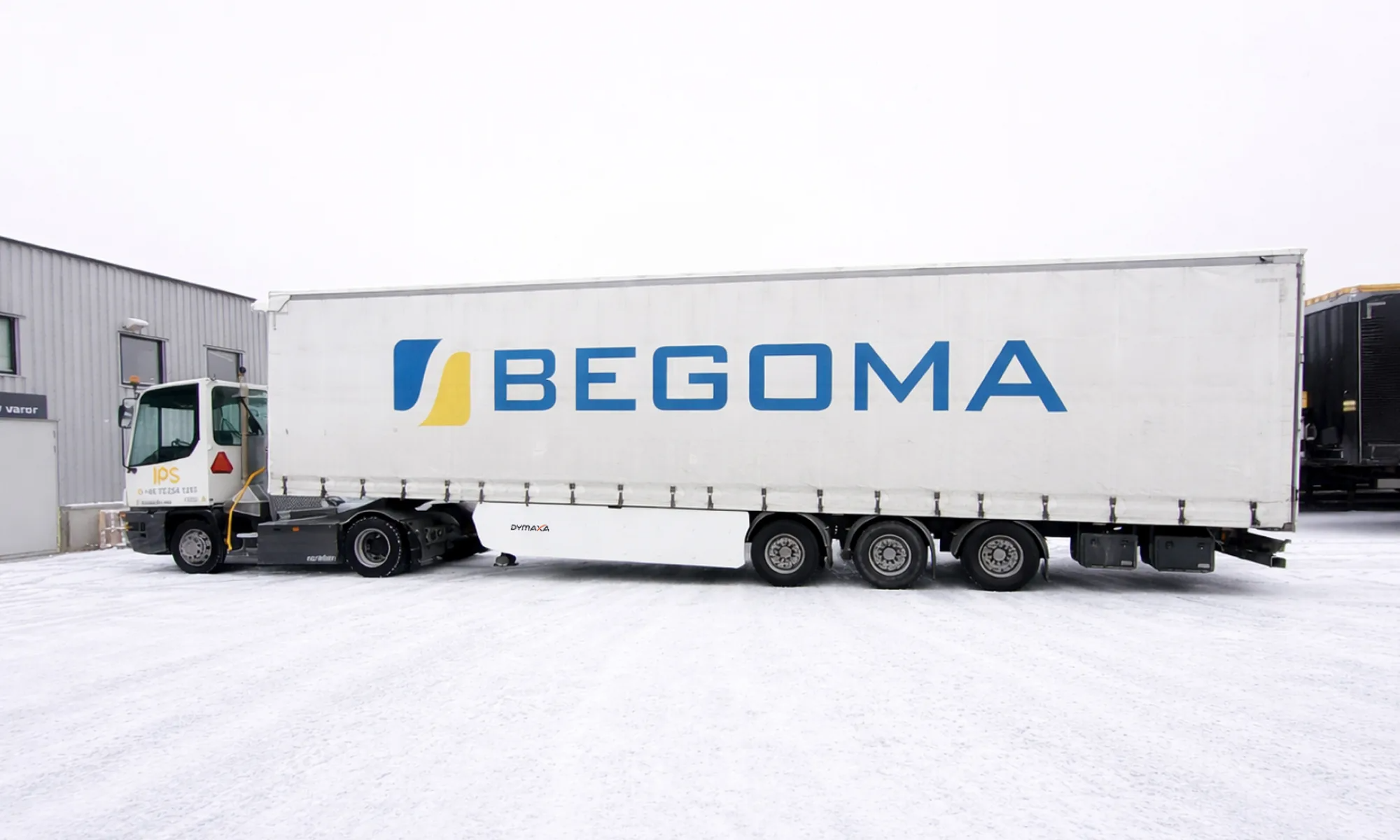
PNO Trailer Rental and Begoma Spedition have equipped a selection of semi-trailers with Dymaxa side skirts, extending the use of aerodynamic drag-reduction hardware into a rental fleet model that can influence a wide base of customers. PNO said it operates more than 11,000 semi-trailers across Europe, while Begoma will run the upgraded equipment in Sweden as part of its Agenda 2030 sustainability programme.
Side skirts are a relatively mature technology, but their business case has sharpened as diesel costs remain volatile and fleets face more scrutiny over carbon performance — including the indirect emissions that shippers are increasingly tracking through carrier selection and tender requirements. The basic mechanism is straightforward: by smoothing airflow along the trailer’s underside, skirts reduce turbulence and drag, improving energy efficiency most noticeably at higher speeds.
PNO is positioning the retrofit as both a fuel-saving measure for diesel operations and a range extender for electric trucks, where aerodynamic improvements translate directly into fewer charging events or more payload flexibility. Jan Eriksen, Head of Fleet at PNO, said: “By investing in smarter equipment, and optimising our fleet, we actively aim to reduce CO₂ emissions or extend the range on EV trucks pulling a trailer.”
For Begoma, the attraction is operationally simple: the trailers do not require route redesigns, driver behaviour change programmes, or depot infrastructure upgrades to realise savings. That simplicity also makes the technology well-suited to rental fleets, where equipment cycles between users and must deliver value without training overhead or bespoke maintenance regimes.
Dymaxa’s pitch is that the European market is moving toward the kind of widespread adoption already seen in North America, where trailer skirts have been common for years. Almaz Ayupov, CEO of Dymaxa, said: “The North American market has benefited from trailer side skirts for more than a decade, with adoption rate reaching 80%. We are now seeing signs that the European market will follow suit to reduce costs and emissions.”
Evidence on performance is increasingly coming from large-scale pilots rather than small demonstrations. Dymaxa has pointed to a reported average 4.9% reduction in fuel use and emissions from a 2023 AB InBev and Jost Group evaluation on long-haul routes between Belgium and France, reinforcing the idea that aerodynamic gains can stack up across high-mileage operations.
There is also a policy undertow. Trailer efficiency is moving closer to the heart of heavy-duty vehicle decarbonisation plans, with manufacturers and fleets facing more explicit pressure to prove energy consumption reductions across complete combinations, not just tractor units. Aerodynamic devices, including side skirts, are one of the more immediate routes to measurable improvement without waiting on driveline replacement cycles.
For PNO, the commercial logic is clear: improving the efficiency spec of a rental trailer increases its attractiveness to customers whose tenders now include carbon and efficiency metrics alongside rate. For the broader market, it is another sign that the next phase of road freight decarbonisation will be built as much on incremental hardware and operational discipline as on headline-grabbing drivetrain shifts.