IN Brief:
- India has commissioned 142 Gati Shakti Cargo Terminals, with another 310 locations holding in-principle approval.
- Existing terminals provide an estimated 224 million tonnes of annual handling capacity and moved 146 million tonnes during 2025–26.
- Rail-linked warehousing, silos, cold storage, and mechanised handling are intended to reduce first- and last-mile freight costs.
Indian Railways has commissioned 142 Gati Shakti Cargo Terminals as India expands the rail-linked infrastructure connecting manufacturers, agricultural producers, mines, container operators, and bulk commodity supply chains.
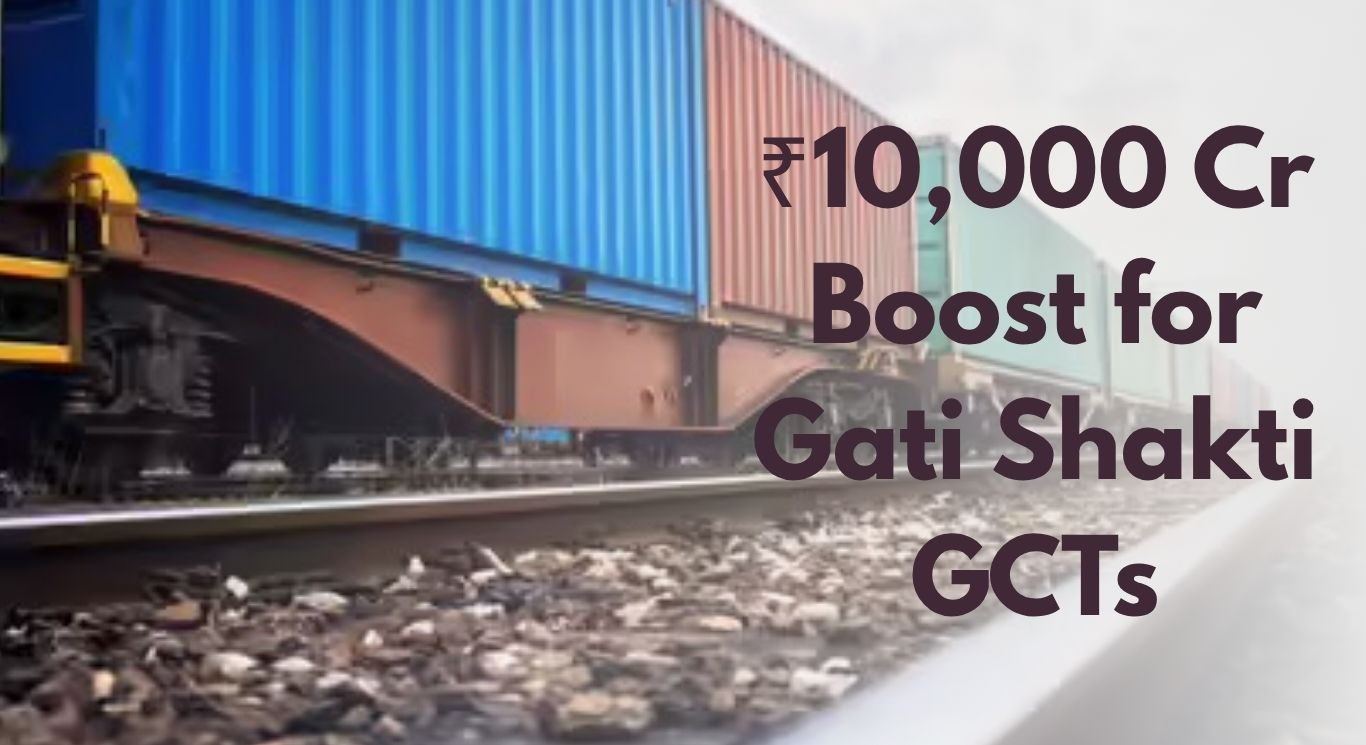
The operational terminals provide an estimated combined freight-handling capacity of 224 million tonnes a year, while a further 310 locations have received in-principle approval. Private investment mobilised through the programme has reached approximately ₹10,000 crore, and the commissioned network handled 146 million tonnes during the 2025–26 financial year.
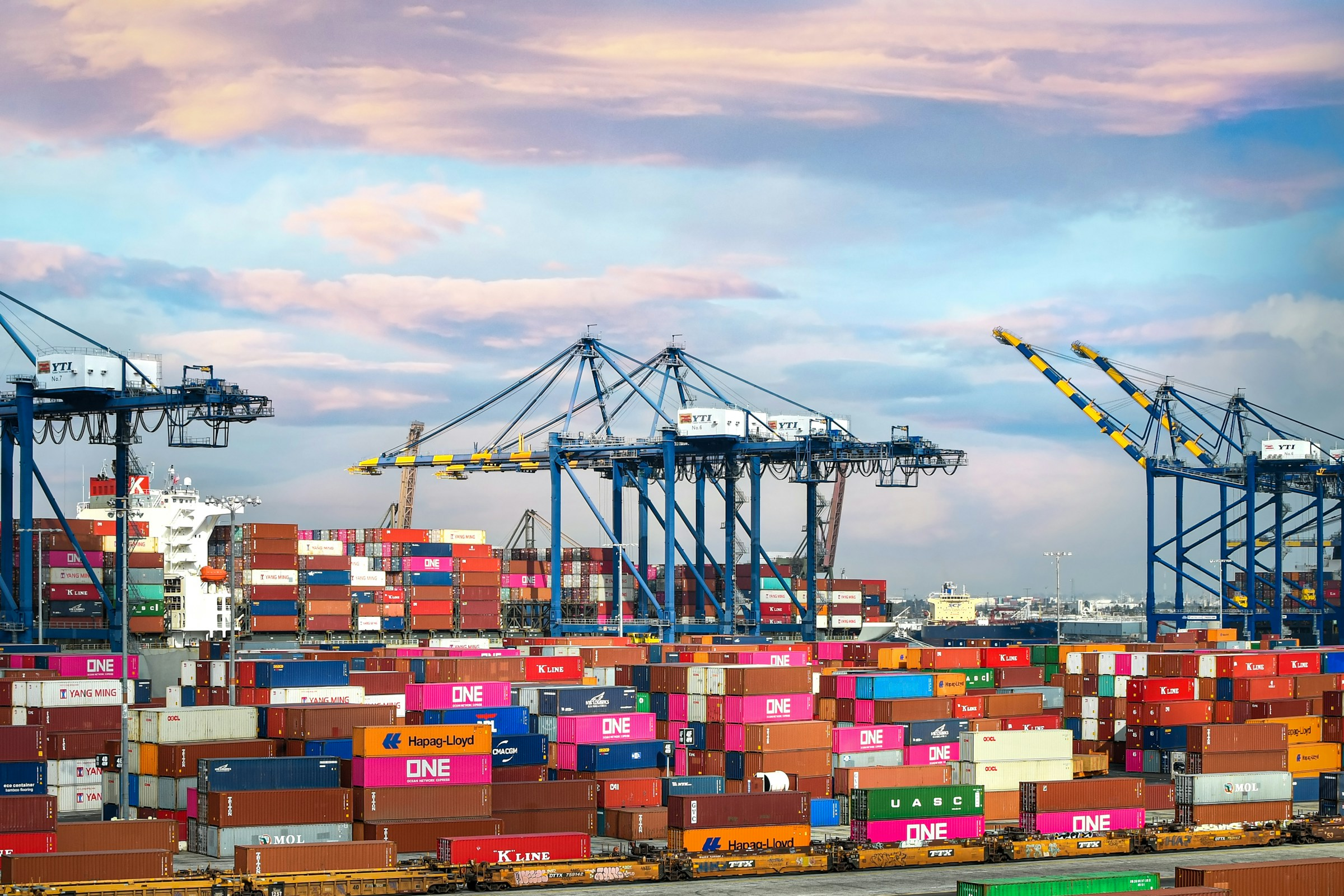
Cement, steel, foodgrains, fertilisers, coal, fly ash, minerals, containers, vehicles, and agricultural produce already move through the network. The breadth of that cargo base places the terminals within several of India’s largest industrial supply chains rather than confining them to a single commodity or transport market.
Locations are selected using anticipated industrial demand, potential cargo volumes, available railway infrastructure, and the wider logistics characteristics of each area. Private operators, public-sector organisations, and other project sponsors develop the facilities under the Gati Shakti Multi-Modal Cargo Terminal policy.
Depending on the site and cargo mix, terminals can incorporate mechanised loading systems, warehouses, silos, cold stores, handling yards, and other value-added infrastructure. The facilities are intended to connect production, storage, road collection, and long-distance rail movement within a coordinated freight operation rather than simply adding sidings to the railway network.
Mechanised loading can reduce the amount of time wagons remain stationary, particularly when train formation and cargo preparation are aligned before a rake arrives. Faster loading and unloading cycles return rolling stock to service sooner, while more predictable terminal operations can improve the use of locomotives, crews, and railway paths.
Warehousing beside the railhead also separates factory output from train availability. Production schedules rarely correspond precisely with wagon supply, destination capacity, or network timetables, so buffer storage allows cargo to be assembled without filling factory yards or leaving trucks waiting for extended periods.
Foodgrains, fertilisers, and agricultural products introduce further demands around contamination, moisture, pests, temperature, and seasonal throughput. Silos and cold-storage facilities can shorten the physical distance between production and rail loading, although their performance still depends on disciplined inventory control, suitable handling equipment, and reliable onward transport.
India’s attempt to transfer more freight from road to rail depends on such connections at both ends of the trunk journey. Additional track capacity alone cannot produce modal shift when loading is slow, terminal access is poor, or cargo must travel long distances by road before reaching a suitable railhead.
Facilities located close to production and consumption centres can reduce those intermediate movements, but only when sufficient volumes support regular services. A lightly used terminal adds another handover and another fixed-cost asset, whereas a site tied to committed industrial demand can improve train utilisation and lower the cost per tonne.
India’s recent logistics discussions with Maersk have also centred on ports, inland connectivity, warehousing, multimodal operations, and digital supply chains. Together, the initiatives point towards a network in which terminals, ports, warehouses, and production sites are planned as connected assets rather than developed as isolated facilities.
Physical infrastructure nevertheless provides only part of the required capacity. Journey reliability also depends on wagon availability, coordinated schedules, electronic documentation, cargo visibility, customs processes where applicable, and rapid communication when production or train plans change.
As the approved pipeline grows, site selection and committed cargo will become increasingly important. Terminals developed around identifiable manufacturing clusters, mines, agricultural regions, ports, or consumption centres are more likely to sustain regular throughput than projects justified mainly by broad regional growth forecasts.
The network’s expansion will also place additional demands on connecting roads. Even a rail-led terminal requires trucks for local collection and delivery, and poor junctions, inadequate staging areas, or congestion around the entrance can transfer delay from the railway to the surrounding road network.
Modal transfer offers potential emissions savings where long road journeys are replaced by well-loaded trains, although construction, empty movements, terminal energy use, and first- and last-mile transport remain part of the overall calculation. Electrified handling equipment and efficient train formation can strengthen the environmental case without removing the need to measure complete journeys.
India’s manufacturing, construction, energy, automotive, mining, and agricultural sectors provide a substantial potential freight base. Continued industrial investment will increase pressure on ports and highways unless rail capacity, terminals, storage, and inland connections develop at a similar rate.
With 224 million tonnes of annual capacity already commissioned, the programme has moved beyond a limited demonstration phase. Its next measures will be terminal utilisation, wagon turnaround, handling cost, train frequency, service reliability, and the proportion of cargo that transfers from long-distance road haulage to rail.