IN Brief:
- Oman Air Cargo continues to operate its daily Muscat-UAE road feeder service.
- The route carries perishables, general cargo, and freight unsuitable for narrow-body passenger aircraft.
- Oman Air expects the contingency service to remain after proving useful operationally and through customs and security processes.
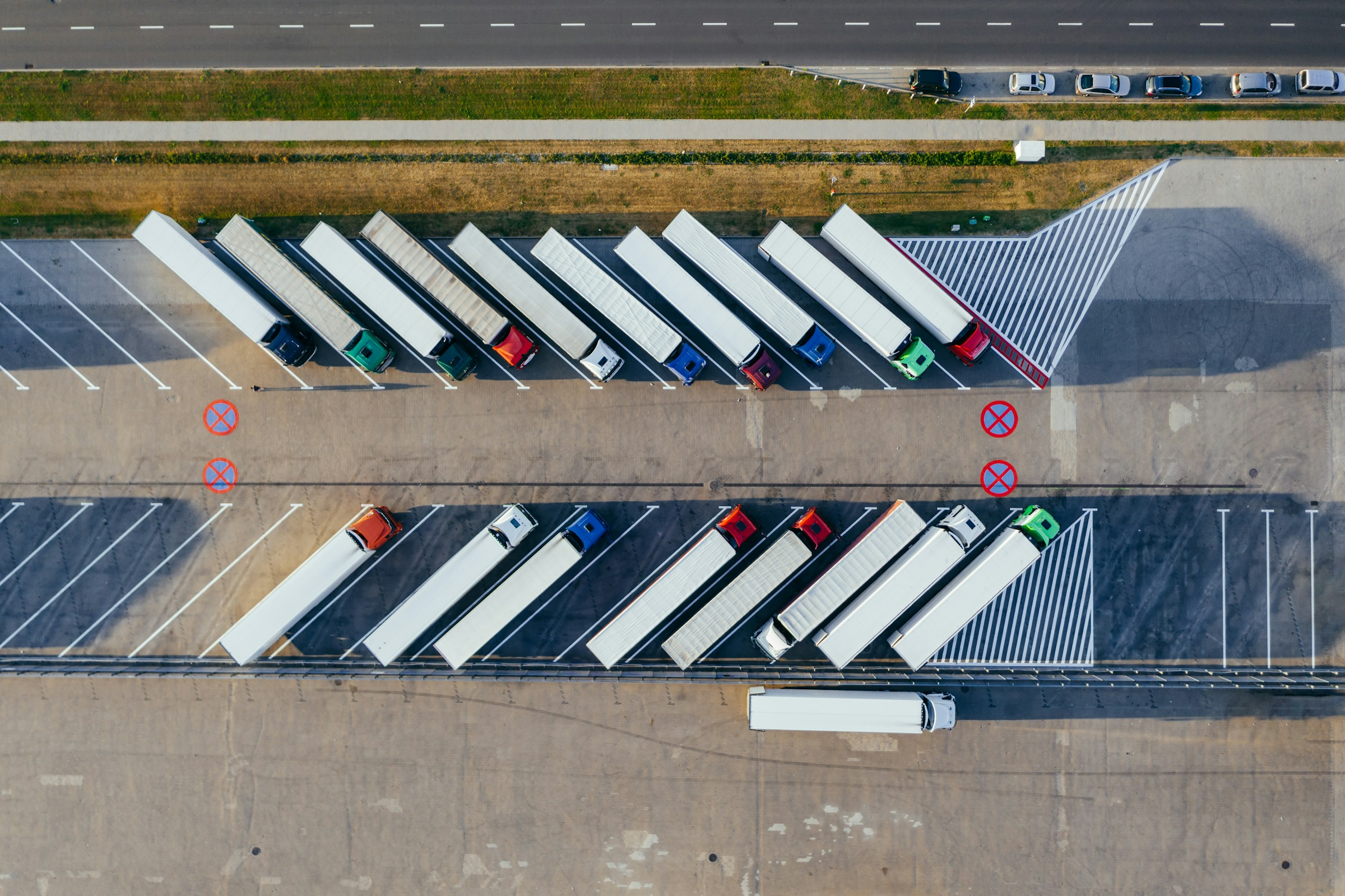
Oman Air Cargo expects its daily road feeder service between Muscat and the UAE to remain part of its network after a route introduced during Gulf disruption developed into a useful connection for normal cargo operations.
The service continues to move perishables, general freight, and goods that cannot be accommodated on narrow-body passenger aircraft. It was introduced as regional operators sought alternative ways to keep cargo moving when disrupted airspace and airport operations reduced the reliability of established Gulf routings.
Muscat consequently took on a broader role as a back-up cargo gateway. Some diverted traffic has returned to its previous routes as other hubs reopened, but Oman Air says cargo flows that were not formerly part of its Muscat operation are still passing through the airport.
Mike Duggan, head of cargo at Oman Air, said the road feeder had demonstrated value operationally and through customs and security processes, leading the carrier to expect it to remain an established network service. That converts what began as contingency capacity into an additional routing option between Oman and the UAE.
Disruption creates a permanent multimodal option
Road feeder services allow airlines to connect cargo gateways without operating an aircraft on every sector. Freight can enter an airline network at one airport, move by truck to another, and continue by air, extending available network reach while matching individual loads to the aircraft capacity most suited to them.
The model became more important during Gulf disruption because freight did not stop moving when aircraft routings became constrained. Shippers still had production commitments, customer orders, perishable cargo, and high-value consignments to move, leaving road transport to bridge parts of the network where normal air capacity was unavailable or less predictable.
Keeping the Muscat-UAE link after the immediate disruption eases gives Oman Air a route that can perform ordinary commercial work while remaining available when air networks tighten again. That is a more economical resilience model than maintaining contingency capacity that sits unused until the next crisis.
The service also compensates for the physical limits of some passenger-aircraft operations. Oman Air’s new Singapore service, for example, uses a Boeing 737 MAX with limited bellyhold capacity. Smaller e-commerce and high-technology consignments can use the flight, while larger loads requiring more space can be routed through Kuala Lumpur where wide-body capacity remains available.
That difference is easy to overlook when passenger connectivity is used as a proxy for freight capacity. Two airports may be connected by a daily flight, but the aircraft type can determine whether the service accepts only relatively compact cargo or can handle larger engineering and industrial shipments.
Oman Air is applying similar capacity calculations elsewhere. The carrier has been assessing narrow-body freighter options for Mumbai and Dhaka, while using wide-body passenger aircraft on some services from those markets to provide additional cargo space as it evaluates longer-term requirements.
Muscat becomes a resilience node
The strategy gives Muscat a role beyond serving Oman-origin and destination freight. Cargo arriving by road from the UAE can connect into Oman Air’s international network, while freight entering Muscat from elsewhere can use the road feeder when Dubai or another UAE connection offers the more practical onward route.
That flexibility does not eliminate the costs of switching mode. Road feeders depend on vehicles, border processing, customs clearance, security procedures, driver availability, and reliable handover between the road and airport operations. Temperature-sensitive goods add another layer because conditions have to be maintained across the surface leg as well as the flight.
Yet those requirements are preferable to having cargo stranded at a gateway with insufficient or unavailable air capacity. A planned daily service also gives shippers and forwarders something more useful than an improvised truck movement arranged only after disruption has already affected a consignment.
Oman Air entered the period with relatively high cargo load factors, which limited the volume it could absorb when regional traffic shifted towards Muscat. Duggan described first-half performance as positive rather than exceptional, with stronger demand accompanied by higher pricing as fuel and other operating costs increased.
That combination makes multimodal planning more important. When aircraft are already well utilised, a road feeder does not create long-haul lift, but it can reposition cargo towards the part of the network where suitable capacity remains available.
For industrial supply chains, the benefit is route optionality. Dependence on one hub or one mode increases exposure when an airport closes, airspace restrictions change, or the available aircraft cannot accept the shipment. A regular Muscat-UAE road link adds another path without requiring a dedicated flight between every pair of cargo markets.
The service has already been tested under the conditions it was created to address, providing Oman Air with operating experience around customs, security, customer demand, and reliability. Retaining it now gives the carrier the chance to establish whether those disruption-era flows can support a durable commercial service.
Its survival is a small but concrete example of how transport networks change after a crisis. Temporary routings disappear when they are merely expensive substitutes for normal operations; the ones that remain are usually those that solve a problem even after the original disruption has passed.