IN Brief:
- Air China Cargo has appointed cargo.one as its first global digital distribution partner.
- The first phase covers general and Express cargo up to 5,000kg from Europe and North America into major Chinese gateways.
- Additional markets and capacity products are due to join the platform as the rollout expands.
Air China Cargo has opened part of its international capacity to digital booking through cargo.one, giving freight forwarders in Europe and North America a new route to quote, book, and track shipments into China. The agreement is the carrier’s first global digital distribution partnership and initially covers general cargo, including Express shipments weighing up to 5,000kg.
The first phase covers services into Shanghai Pudong, Beijing, Guangzhou, Shenzhen, Chengdu, Chongqing, and Hangzhou, with further markets and capacity products due to be added. Forwarders using cargo.one can incorporate Air China Cargo capacity into the same quoting and booking workflow used for other participating carriers rather than moving separately between airline sales channels.
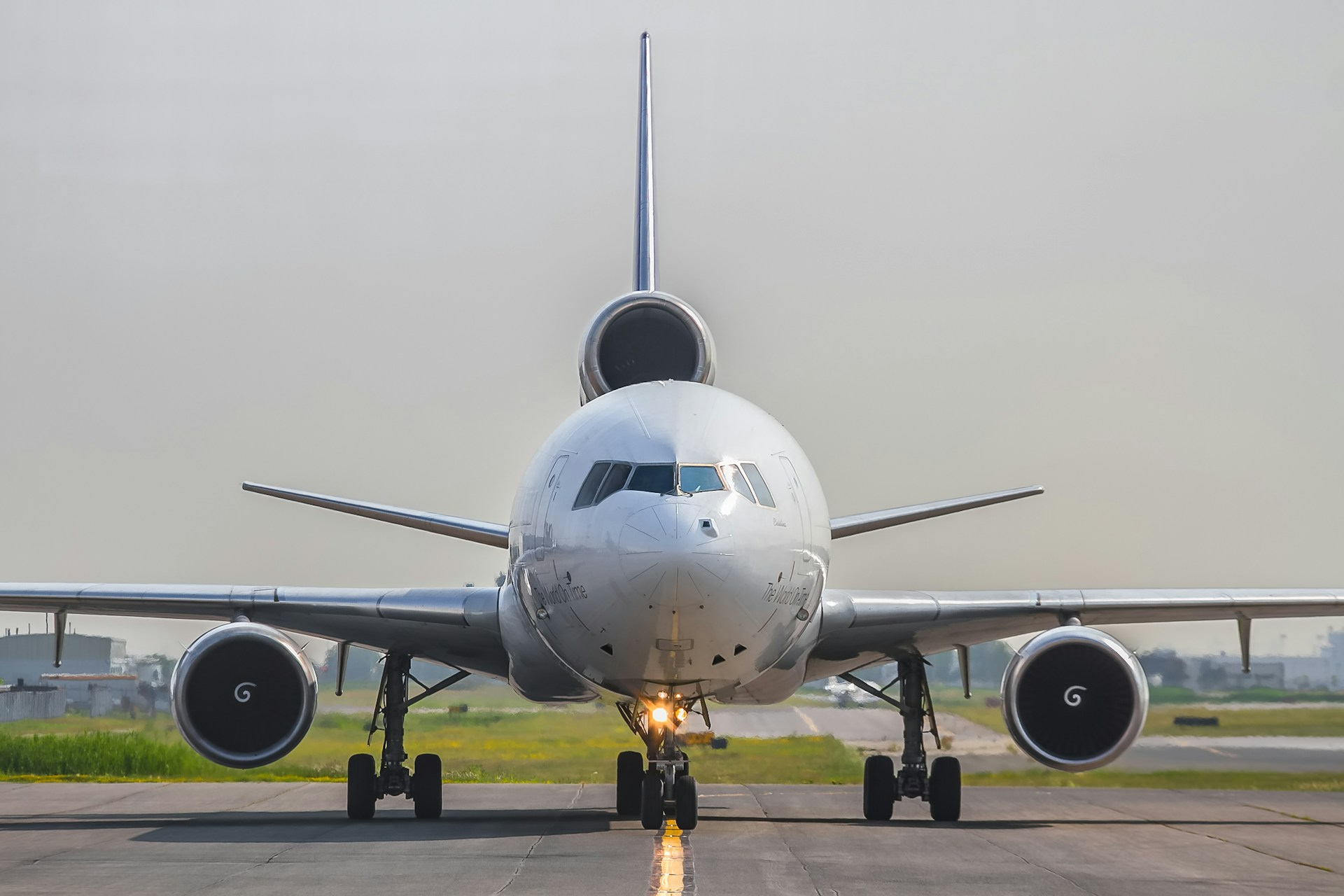
Air China Cargo operates 24 dedicated freighters and also markets belly capacity on Air China’s passenger network. Its dedicated cargo operation includes around 30 all-cargo routes serving 14 countries across Asia-Pacific, Europe, the Americas, and the Middle East, supported by more than 1,500 overland trucking routes.
That physical network already gives the carrier substantial market reach; digital distribution changes how easily forwarding teams can find and buy the available capacity. A forwarder preparing a customer quote may compare several carriers, departure points, schedules, and service levels before committing a shipment, and any option that sits outside the main workflow introduces another manual step.
The practical value of the integration therefore lies in reducing friction around routine cargo procurement. Standard shipments can be priced and booked against the carrier’s available services while the forwarder’s team retains responsibility for commodity information, dimensions, customs requirements, and any specialist handling conditions.
The 5,000kg ceiling on the initial Express offer covers a broad range of urgent industrial and commercial consignments. Electronics, automotive components, machinery parts, pharmaceuticals, and other higher-value goods can all fall within that weight band, particularly where a production interruption or inventory shortage makes transit time more important than the premium charged for air freight.
China remains a major origin and destination market for those supply chains, but capacity alone does not guarantee that a carrier appears in a forwarder’s final routing. Distribution determines whether the service is visible at the point when the quotation is being built, while rate quality, departure availability, transit time, and operating performance determine whether the forwarder actually buys it.
cargo.one has expanded beyond its original air-freight marketplace into a broader rate and workflow platform covering air, ocean, trucking, and local charges. Its current platform lists direct integrations with more than 75 airlines alongside ocean carriers, allowing forwarders to manage a larger share of procurement and quotation work through one environment.
Air China Cargo’s addition strengthens that coverage on China-related lanes. Forwarders that do not maintain a direct commercial relationship with the carrier in every local market can gain access through the platform, while the airline can present capacity to a larger pool of forwarding offices without building a separate digital sales relationship with each one.
The commercial significance is less about replacing airline sales teams than changing where routine transactions are handled. Digital distribution can absorb straightforward rate discovery and booking while sales and operations staff deal with contract negotiations, unusual commodities, disrupted capacity, and other cases where a standard platform workflow is insufficient.
The arrangement also reflects the continuing convergence between booking tools and freight-management systems. Quoting, procurement, booking, and post-booking tracking are increasingly connected, reducing repeated entry of shipment information as a job moves from customer request into carrier booking and subsequent execution.
That integration can improve speed, but it also raises the importance of accurate system data. Digital booking only works efficiently when rates, schedules, capacity, restrictions, and shipment details are current; automating access to stale information simply moves an error through the process more quickly.
Air China Cargo and cargo.one have described the initial deployment as the first phase of a wider rollout. The meaningful measure will be how much of the carrier’s network becomes available digitally and whether forwarders use the channel repeatedly rather than only for occasional spot bookings.
For the carrier, the project adds another sales route to a substantial freighter and passenger-belly network without changing the underlying transport product. For forwarders, its value will be judged in rather more prosaic terms: whether Air China Cargo becomes easier to include in a live quote, whether the capacity shown can actually be booked, and whether the digital process removes enough manual work to justify making it part of the normal procurement routine.