IN Brief:
- Sonepar's Wallisellen distribution centre has reached full operational capacity after its final expansion phase.
- The 10,000m² facility combines 55,000 AutoStore bins, 70 robots, and 6,000 automated pallet positions.
- Timber construction and photovoltaic generation sit alongside automation designed to strengthen national electrical-product distribution.
Sonepar has completed the final expansion of its central distribution centre in Wallisellen, bringing a multi-year automation and capacity programme to full operation. The Swiss facility now provides 10,000 square metres of storage across three levels and sits at the centre of the distributor’s national logistics network.
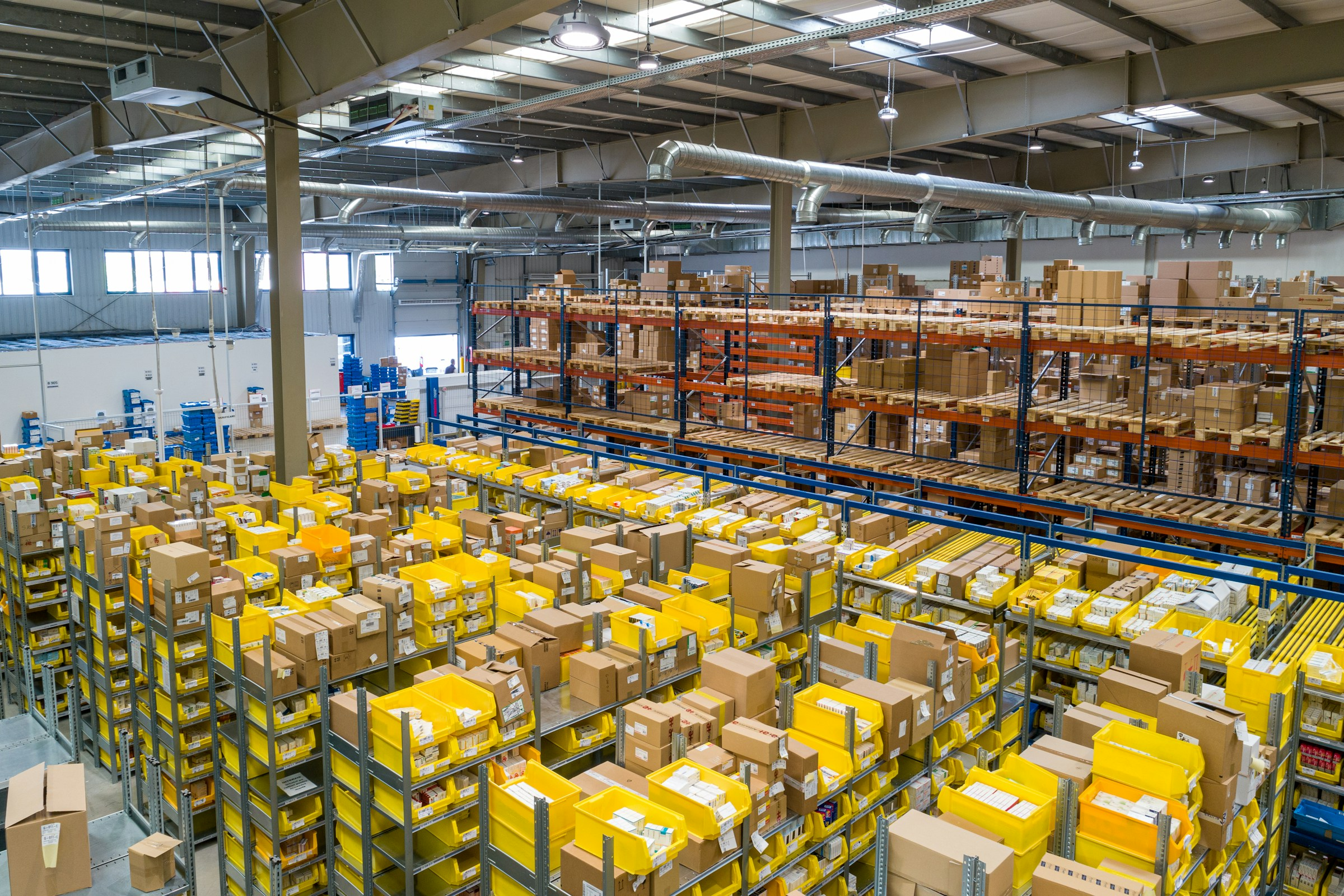
The completed operation combines an AutoStore automated storage and retrieval system containing 55,000 bins and 70 robots with a fully automated high-bay warehouse providing 6,000 pallet positions. The two systems address different parts of Sonepar’s inventory profile, allowing dense handling of smaller products alongside palletised stock that requires a different storage and retrieval format.
Wallisellen has been operating since 2020 and has expanded progressively as Sonepar developed its Swiss distribution network. The latest work therefore completes an existing logistics site rather than opening a separate greenfield operation, adding the complication of increasing capacity while the building continues to support live customer fulfilment.
That distinction matters in distribution environments where automation projects cannot be separated neatly from day-to-day operations. Existing stock still has to be received, replenished, picked, consolidated, and dispatched while new equipment is commissioned and process flows change. An extension has to increase long-term capacity without compromising the service levels that prompted the investment.
AutoStore gives the building a high-density goods-to-person layer in which robots retrieve bins from a compact storage grid and deliver inventory to workstations. The high-bay installation performs a different role for palletised material. Combining the two allows the warehouse to match automation more closely to the physical characteristics and order behaviour of individual product groups instead of forcing every stock-keeping unit through one handling system.
That is particularly relevant in electrical distribution, where a national warehouse may hold products ranging from small components to bulky packaged equipment. The operational challenge is not simply to store more inventory. Stock has to remain identifiable, accessible, and capable of moving through receiving, replenishment, picking, and dispatch without one handling zone constraining the rest of the facility.
Centralisation also changes the consequences of downtime. Concentrating inventory and automation can reduce duplication elsewhere in the network, but it places greater responsibility on the main distribution centre to maintain output when demand fluctuates or equipment becomes unavailable. A larger automated operation consequently increases the importance of preventive maintenance, inventory accuracy, exception handling, and reliable interfaces between storage technologies.
The expansion carries the sustainability approach of the existing building into the completed facility through timber construction and photovoltaic generation. Those measures do not remove the electricity demand associated with automated handling equipment, but they bring building performance and logistics technology into the same infrastructure programme rather than treating energy use as an unrelated later modification.
The commercial value of the project will be determined by what the automation changes in everyday distribution. Dense storage allows more inventory to be held within a given building envelope, while goods-to-person systems can reduce walking and manual travel during picking. Automated high-bay storage similarly uses vertical space more intensively, provided that receiving, transfer, and dispatch processes can keep pace with the storage equipment.
Automation does not remove the need for warehouse discipline. A 55,000-bin AutoStore grid still depends on accurate stock records, planned replenishment, sufficient workstation capacity, and effective exception management. The automated pallet store faces the same basic constraint: machinery can move loads predictably only when the data describing those loads and their destinations is equally dependable.
The completed site also reflects a wider trend towards combining several forms of automation within one distribution centre. High-density small-parts storage and automated pallet handling solve different operational problems, but their value increases when they are coordinated around one inventory and fulfilment process instead of operating as separate islands.
Wallisellen has now moved from construction and staged expansion into the measurement phase. Robot numbers and pallet positions describe the infrastructure, but availability, order accuracy, throughput, inventory utilisation, and the ability to absorb changing demand will determine whether Sonepar extracts the expected value from the completed centre.