IN Brief:
- Phase I is operating under a 15-year agreement with Syama Prasad Mookerjee Port Authority, with Phase II due to begin within 90 days.
- The GCD Yard facility can handle dry bulk, break-bulk, and standard and specialised containers with Eastern Railway connectivity.
- Further civil development is initially estimated at ₹13.68 crore as Western Carriers expands its rail-led freight operation in Kolkata.
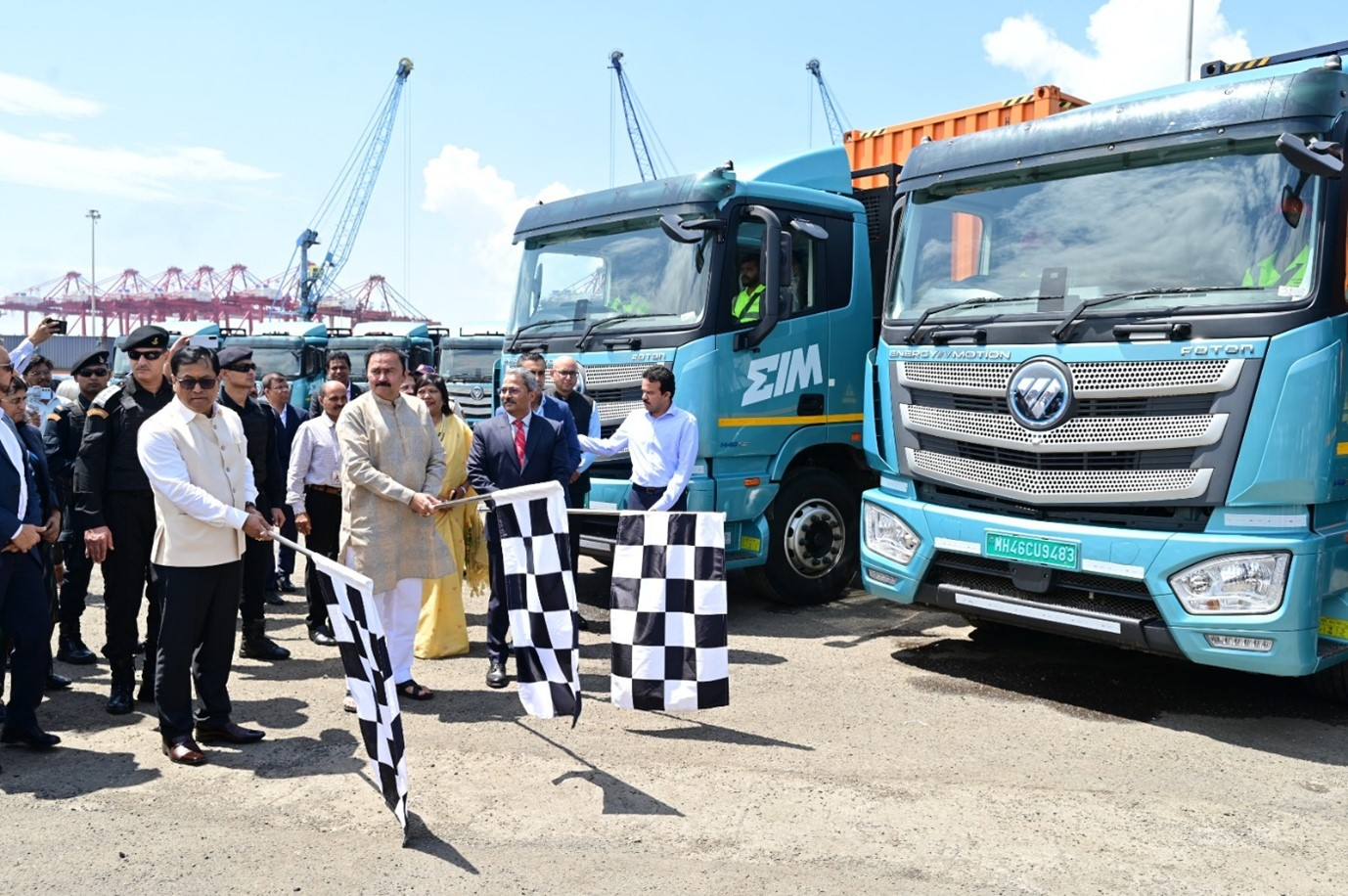
Western Carriers (India) Limited has brought Phase I of its General Cargo Terminal at Kolkata Dock System into operation, giving the rail focused logistics company an operational base on India’s east coast. The facility sits at the GCD Yard under Syama Prasad Mookerjee Port Authority and is being developed and operated under a 15-year agreement with the port authority.
The terminal is designed to handle dry bulk, break-bulk, and containerised cargo, including 20-foot, 40-foot, and specialised containers. Western Carriers says equipment and manpower have been deployed and Phase I was fully operational from inauguration. Phase II is expected to begin within 90 days, with further civil development initially estimated at ₹13.68 crore, subject to revision as work progresses.
Location is central to the operating proposition. The GCD Yard is connected to the Eastern Railway network through the Sealdah and Budge Budge sections, while Kolkata also provides road and inland waterway links into a broad industrial hinterland. Western Carriers expects the terminal to support both domestic and export-import cargo, with a particular emphasis on raising the rail share of freight moving through the port.
The inauguration advances the project beyond the board approval disclosed earlier this month, when the company had confirmed its move into terminal operations but had not yet put capital cost, commissioning timing, or detailed cargo capability against the project. Phase I operating status, the ₹13.68 crore civil development estimate, and the 90-day Phase II timetable now give the concession a defined delivery sequence.
Western Carriers’ wider business spans multimodal 3PL and 4PL services across rail, road, ocean, air, warehousing, customs-related work, and cargo handling. A port terminal brings several of those functions together at a fixed operating node, where yard planning, lifting equipment, labour, storage, documentation, and onward transport have to work to the same timetable.
The existing network gives the new terminal immediate links into a larger operating base. Western Carriers says it runs more than 50 branches and, as of March 2024, operated 16 warehouses covering more than 714,000 square feet. Its rail services range from smaller mini-rakes to larger formations carrying up to 2,500 tonnes, allowing the Kolkata operation to sit within an established inland logistics network rather than function as a standalone handling business.
General cargo adds more operating variation than a container yard. Containers can be planned around standard unit sizes and established handling systems, while dry bulk and break-bulk traffic introduces a broader range of parcel sizes, equipment requirements, and dwell profiles. A terminal able to switch between containers and non-containerised freight can serve more customer types, although that flexibility depends on maintaining enough throughput to use the yard, equipment, and labour efficiently.
Rail access gives Western Carriers another lever. The company describes itself as rail focused and already combines long-haul rail with road collection and delivery. Direct control of a port-side cargo interface can make it easier to consolidate loads around train departures, align vessel discharge with rake availability, and reduce the number of organisational hand-offs between quay, yard, and inland transport.
The Kolkata site also complements Western Carriers’ 42-acre multimodal cargo terminal at Devaliya in Gujarat. The two facilities give the company operating infrastructure on both sides of India, serving different port and industrial markets. They do not create a dedicated corridor by themselves, but they increase the number of points at which Western Carriers can control cargo staging and modal transfer.
More control also brings more operating exposure. Terminal productivity will depend on equipment availability, safe handling, yard utilisation, rail slot reliability, and the speed at which cargo is cleared from storage into onward transport. A mixed cargo yard can absorb varied customer demand, but congestion becomes harder to manage if incompatible cargoes compete for space or specialist handling equipment at the same time.
The company has not disclosed an annual handling-capacity target for the Kolkata terminal or the expected revenue contribution once Phase II is complete. Those figures will show whether the facility remains primarily an extension of Western Carriers’ existing Kolkata logistics activity or develops into a larger third-party cargo platform.
Phase I is operating, the first civil development budget has been identified, and the next construction phase has a near-term start window. The next useful operating measure will be throughput, particularly the share moving by rail, because that will show whether greater control of the port interface is changing the underlying freight flow.