IN Brief:
- Barrett plans to deploy UNIT AI's Networked Physical AI Platform across its operations from 2027.
- Initial functions include distributed inventory placement, fulfilment orchestration, network visibility, and decentralised returns processing.
- The Warehouse-as-a-Service model allows automation to be introduced incrementally rather than through a conventional large upfront capital programme.
Barrett Distribution Centers will expand its partnership with UNIT AI from individual warehouse automation into network-wide coordination from 2027, using the supplier’s Networked Physical AI Platform to connect inventory, fulfilment, and returns across multiple US locations. Initial functions include distributed inventory placement, intelligent fulfilment orchestration, network-wide visibility, and decentralised returns processing, moving the technology from task automation inside one building towards decisions about where work should happen across an entire 3PL estate.
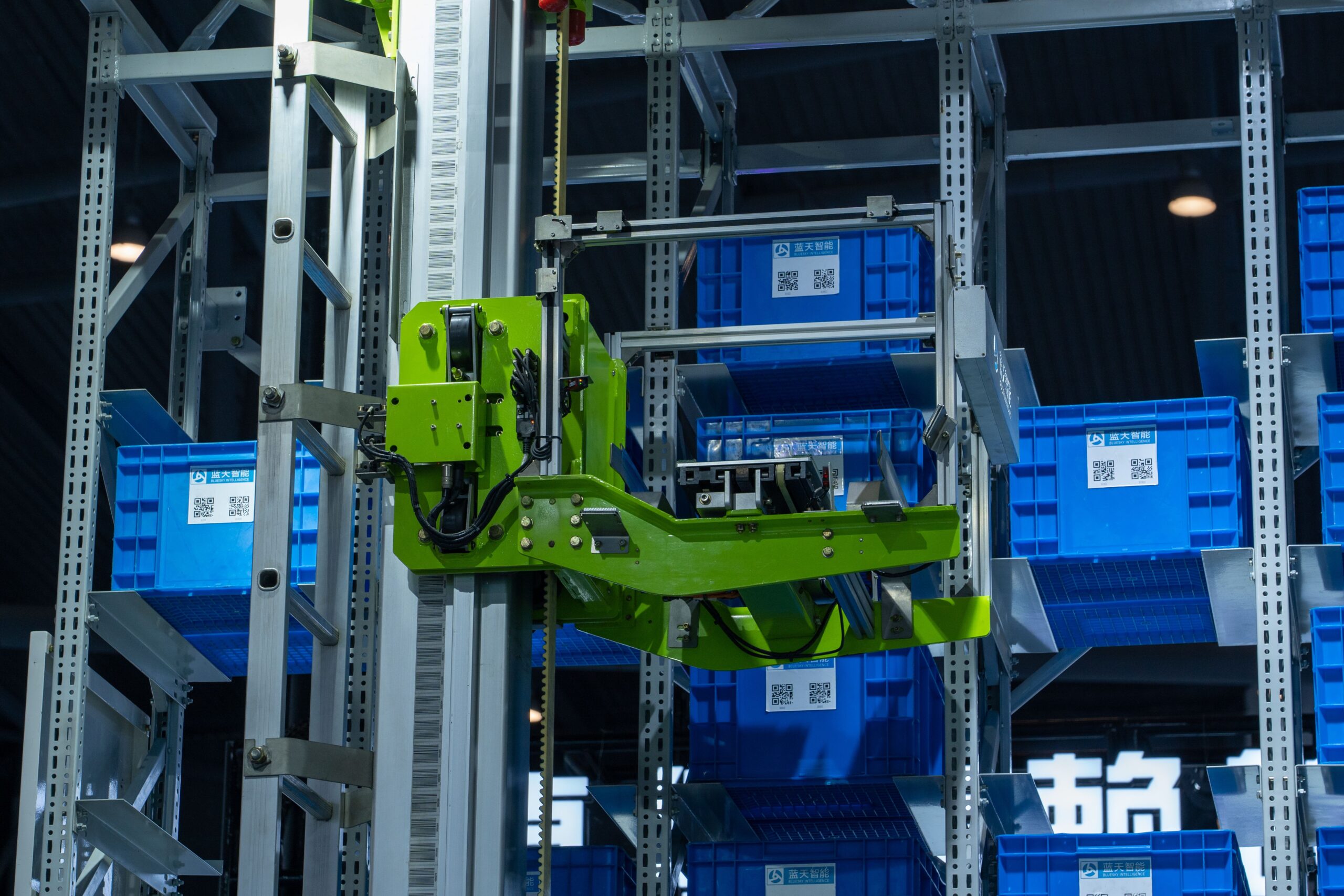
Barrett already uses UNIT robotics for piece picking, putaway, inventory movement, fulfilment, and returns, giving the planned network deployment an installed operational base rather than starting as a new software experiment. Extending that activity between sites changes the problem considerably, because improving one picking process requires control over a comparatively bounded workflow while allocating inventory or orders between several facilities depends on transport cost, labour, available automation, carrier cut-offs, stock accuracy, and customer service commitments being understood together.
Distributed inventory placement can reduce delivery distance and make better use of available warehouse capacity when demand patterns are sufficiently predictable, although every additional stocking location introduces another forecast, replenishment decision, and opportunity for the recorded inventory position to drift away from reality. A network platform therefore needs more than visibility over how many units appear in each warehouse; it has to know whether those units are genuinely available, whether the location can process the order on time, and whether moving the demand elsewhere would create a more expensive problem later in the chain.
Fulfilment orchestration adds transport into the same decision, since the warehouse with the most stock may not be the cheapest or fastest point from which to serve a customer once carrier schedules and delivery zones are considered. A site running below capacity can absorb additional work, but the benefit disappears if the parcel travels significantly farther or misses a collection cut-off, while a heavily automated facility may process the order cheaply inside the building but still lose the advantage through an inefficient final transport leg. Connecting warehouse and order decisions across the network is consequently useful only when the optimisation includes the physical cost of moving the product after the pick is complete.
Returns make the data requirement harder because an item arriving back into the network is not automatically saleable inventory. Condition checks, repackaging, refurbishment, disposal, customer credit, and stock status all have to be resolved before the product can re-enter fulfilment, while decentralising that work across several sites increases the number of locations making those decisions. Processing a return nearer the consumer can reduce transport and recovery time, but only when the resulting stock record is updated fast enough for another warehouse or order management system to rely on it.
UNIT is delivering the platform through a Warehouse-as-a-Service model, allowing Barrett to expand robotics without committing to the same large upfront capital programme associated with conventional fixed automation. Incremental deployment reduces some investment risk when customer volumes are uncertain, although the commercial test shifts towards ongoing utilisation: equipment paid for through a service model still has to process enough inventory to justify the recurring cost, and underused capacity remains expensive even when it is no longer owned outright.
The modular approach also suits a 3PL network where customer contracts and order profiles can change faster than the useful life of traditional automation. Barrett serves apparel, footwear, consumer products, retail, and e-commerce customers, and those sectors can produce sharp swings around launches, promotions, seasonal demand, and returns peaks. Automation that can be added or moved more gradually offers greater flexibility than a facility designed around one fixed throughput profile, provided the supporting software can absorb the same variation without sending work to the wrong part of the network.
Network coordination increases the consequence of poor data because an incorrect decision can redistribute inventory and workload beyond the facility where the error originated. A false stock position at one node may divert orders towards another warehouse, consume unnecessary transport capacity, and trigger replenishment that was not actually required, while inconsistent product identifiers or customer rules can make optimisation across sites unreliable before any AI model becomes the limiting factor. Master data, interfaces, and exception handling therefore sit behind the physical robotics as essential infrastructure for the 2027 deployment.
Human control will remain important where customer commitments conflict with an automated recommendation or where a local operational condition has not yet reached the central platform. A warehouse manager may know that a dock problem, labour shortage, delayed inbound trailer, or temporary carrier restriction makes an apparently optimal allocation impractical, leaving the system to distinguish between decisions that can run automatically and those requiring local intervention. Expanding autonomy without preserving that route for exceptions would risk turning a network optimisation tool into another source of operational rigidity.
Barrett’s move towards networked physical AI will consequently be measured less by the number of robots installed than by whether facilities behave more like a coordinated estate after deployment begins. Lower inventory duplication, improved capacity use, shorter fulfilment distances, faster returns recovery, and fewer manual interventions would demonstrate that the software is making useful decisions above the individual warehouse; moving the same problems between buildings under a more sophisticated label would merely distribute the inefficiency more widely.