IN Brief:
- NCC has completed reinforcement of the westernmost 700 metres of Gothenburg's south container quay on schedule and within the agreed contract budget.
- Boskalis Sweden will remove more than 200,000 cubic metres of soft material and approximately 30,000 cubic metres of rock by March 2027.
- Skandia Gateway is designed to accommodate vessels up to 430 metres long, 65 metres wide and with a draught of 17.5 metres.
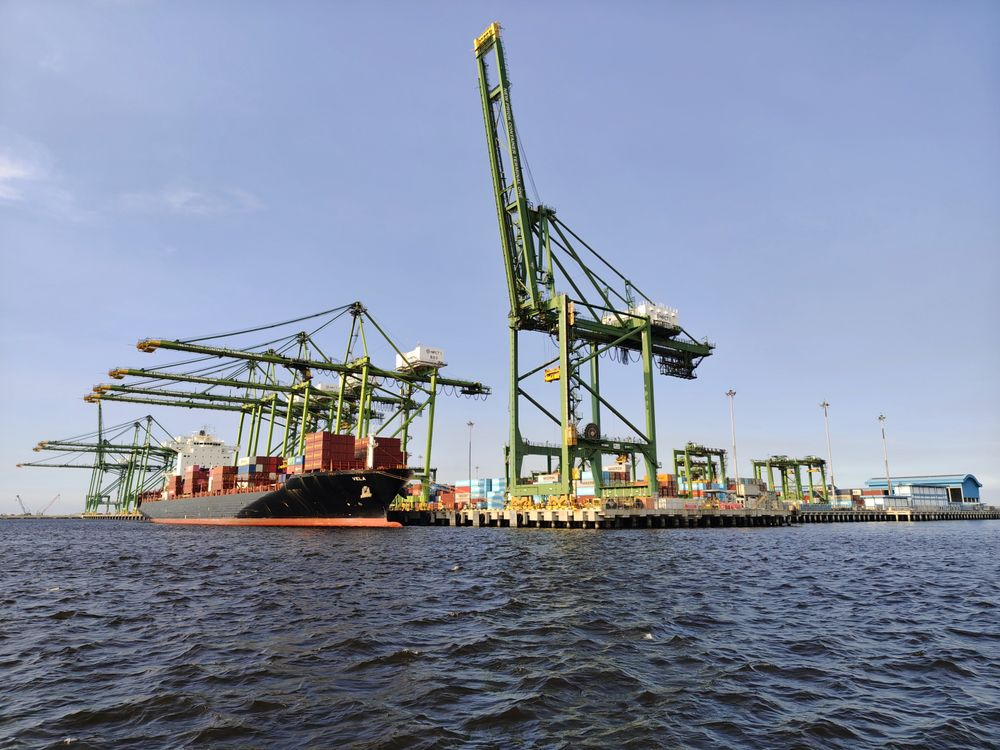
The Port of Gothenburg has completed reinforcement of 700 metres of its south container quay, clearing the way for underwater blasting and dredging that will prepare Sweden’s largest port for larger container vessels with deeper operating draughts.
Construction company NCC has finished the work along the westernmost 700 metres of the quay on schedule and within the agreed contract budget. The reinforcement began in spring 2024 and forms part of the Skandia Gateway project, which will deepen the port’s navigation route and increase the dimensions of vessels able to reach its container terminal.
The port confirmed completion on 12 October 2026, with Boskalis Sweden scheduled to begin the next construction phase on 13 October. The contractor will work within the first 50 metres of water alongside the reinforced quay, removing more than 200,000 cubic metres of soft dredged material and approximately 30,000 cubic metres of rock.
This part of the project is expected to finish in March 2027, after which the wider deepening programme will continue through the approach fairway and turning basin. The works closest to the quay and those farther out in the navigation channel are being managed through separate contracts and responsibilities.
Strengthening the quay before removing material from the adjacent seabed is a necessary part of the construction sequence. The structure must retain the ground behind it and accommodate loading from terminal operations, while also remaining stable once the water alongside it has been deepened. Dredging close to an unprepared quay could alter the conditions supporting its foundations.
The completed reinforcement therefore establishes the structural conditions for the next phase, but it does not itself increase the permitted vessel draught. That capability will depend on the remaining dredging and blasting works, together with the corresponding navigation arrangements.
Skandia Gateway is being designed for container vessels up to 430 metres long and 65 metres wide, with a maximum draught of 17.5 metres. According to the port, these dimensions would allow ships approximately 30 metres longer and five metres wider than those currently calling at the terminal, with up to four metres of additional draught.
Draught is the vertical distance between a vessel’s waterline and the lowest part of its hull. It increases as cargo, fuel and other loads are added, meaning that a port’s available water depth can limit how heavily a large ship may be loaded even when its length and width are otherwise acceptable.
The present restrictions prevent some of the largest container vessels from using their full carrying capacity when calling at Gothenburg. Additional depth could allow suitable ships to enter with heavier cargo loads, reducing the need to adjust loading plans around the limitations of the approach route.
The depth alongside the quay is only one of the requirements. Vessels must also navigate the approach fairway and have sufficient space to manoeuvre within the port before berthing. The Swedish Maritime Administration is responsible for the larger dredging and blasting programme covering the fairway and turning basin, as well as the associated changes to navigational aids.
While Boskalis undertakes the port’s section of the work, the national authority is procuring the remaining contract. It expects to sign an agreement in early 2027, with construction in the fairway and turning basin scheduled to begin in August that year.
The division of work follows changes to the project’s procurement arrangements in 2025. An earlier tender process was cancelled after bids exceeded the available budget for the state-funded work, prompting the project partners to separate the dredging packages. The port subsequently awarded its quay-adjacent contract to Boskalis Sweden in April 2026.
That contract was valued at approximately €18 million when announced. It covers the relatively confined area next to the container terminal, where blasting and dredging must be conducted with the newly reinforced quay in place. The larger national package will address the remaining navigation route, where the quantity of material to be removed is substantially greater.
The port and the Swedish Maritime Administration are targeting operational completion before the end of 2028, allowing larger vessels to call around the turn of 2028/2029. The timetable remains dependent on procurement and completion of the national works, so the finished quay reinforcement should be treated as one completed milestone within the wider programme.
Gothenburg handles more than half of Sweden’s container traffic and provides connections to industrial and distribution centres across Sweden and Norway. The port operates an extensive rail network, with more than 30 daily shuttle services connecting maritime cargo with inland terminals.
Accommodating larger vessels will increase the potential size of individual cargo exchanges, placing additional demands on container handling equipment and the links between the quay, terminal yard and inland transport network. Greater vessel capacity will therefore need to be supported by suitable terminal operations if the additional navigational depth is to translate into more cargo moving through the port.
The immediate project milestone is the removal of material alongside the reinforced quay by March 2027. The subsequent fairway and turning basin works will determine when the deeper navigation route becomes available, completing the connection between Gothenburg’s upgraded berth infrastructure and the larger vessels it is intended to accommodate.