IN Brief:
- DigiKey plans to invest more than $100 million over 18 months in distribution capacity and its order management system.
- The work will add high-volume picking bays, automated order retrieval and packing equipment at Thief River Falls, Minnesota.
- The first new packing system is already on site and is due to start operating during 2026; later equipment installations will be phased.
DigiKey plans to invest more than $100 million over the next 18 months in its global product distribution centre and order management system at Thief River Falls, Minnesota. The programme will add high-volume picking capacity, automated retrieval and packing equipment to support rising demand for electronic components. The first new automated packing system has already arrived on site and is scheduled to enter use during 2026, with additional multi-line packing systems to follow in stages.
Both the physical product distribution centre and DigiKey’s order management system are included in the spending programme. The company has not divided the investment into separate budgets for automation, building alterations and software, and it has not provided a new hourly processing capacity target. The first new automated packing system is already on site, while further installations are scheduled in phases. The announcement is consequently a commitment to expand capacity, with commissioning and integration still required before the additional equipment can contribute to routine throughput.
DigiKey’s Minnesota facility was built with future expansion in mind. Its 2.2 million sq ft distribution-centre expansion opened in August 2022, leaving sections of the building, including much of the fourth floor, available for later equipment installation. The latest investment will use that capacity rather than requiring a newly announced second site. Working inside a live fulfilment centre has its own constraints: stock locations, access routes and order flows must remain available while new picking bays and machines are commissioned.
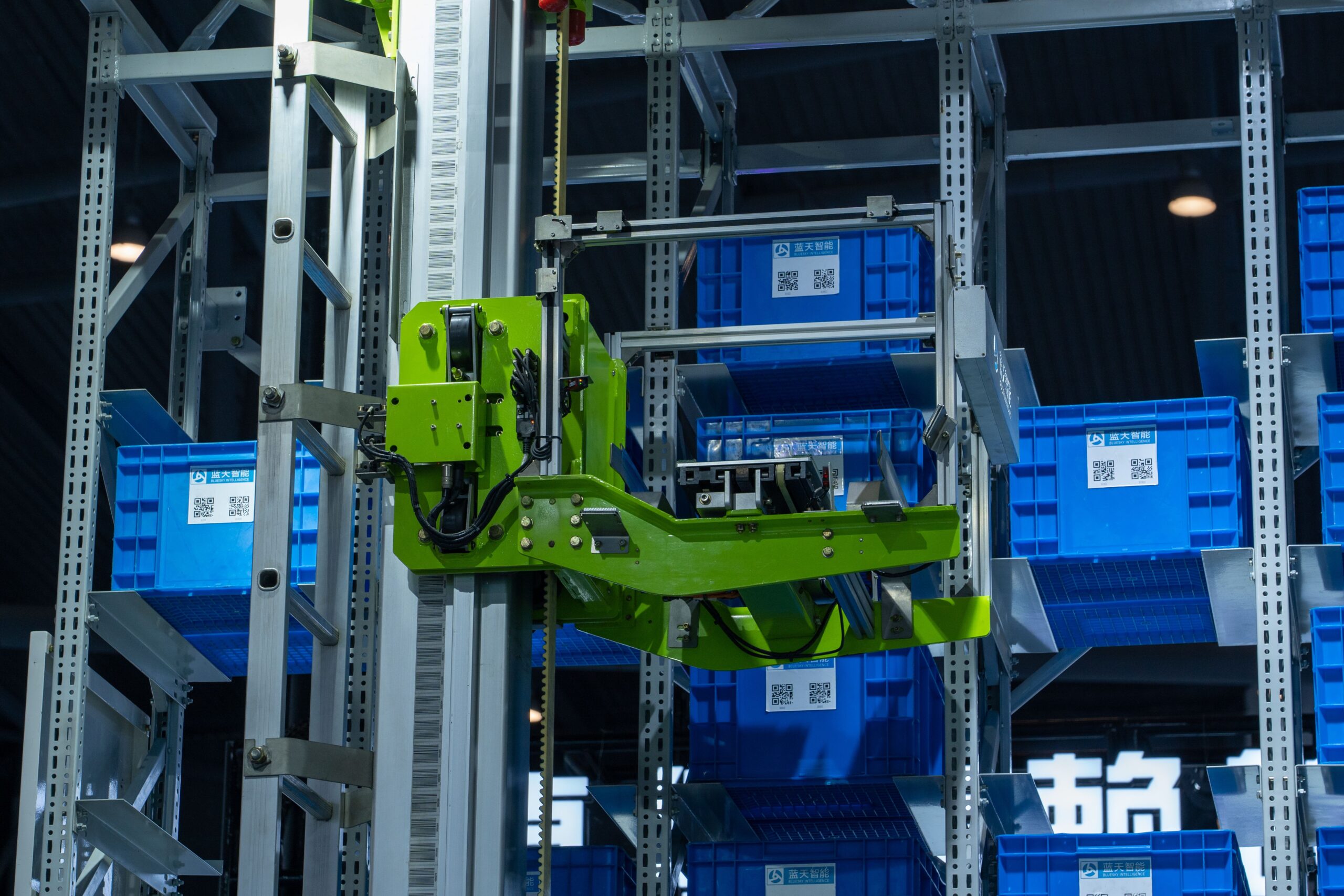
Order handling in electronic component distribution differs from operations that move only a few standard pallet loads. Orders may contain a broad mixture of small parts, differing quantities and packaging formats, with each line needing to be matched accurately to the customer request. Picking equipment brings stock to a workstation or directs an operative to its location, while retrieval machinery and packing systems manage the next stages of assembly and dispatch. The performance of the complete operation depends on the interfaces between these stages, not simply the rated speed of one new packing line.
A warehouse order management system connects the commercial order to inventory allocation and the release of work to picking, packing and dispatch. It must preserve the link between part number, ordered quantity and the correct shipment even when an order contains many small components. As retrieval equipment and packing lines are added, the system also has to prevent several processes competing for the same goods or routing unfinished orders to shipping. DigiKey has not stated the capacity gain in orders per hour, so an assumed throughput uplift cannot be inferred from the investment value.
The company says it is on course for revenue growth of more than 50% in 2026 and expects double-digit growth in the following year. These are its current expectations rather than audited final-year results. Management connects the additional investment to that expansion in demand, but its distribution centre also serves a large existing customer base whose orders need to continue moving while equipment is installed. Maintaining normal service during the phased roll-out will be an important practical constraint.
DigiKey says more than 1.9 million products are held in stock and ready for same-day shipment from its distribution centre, with more than one million customers served annually. Its wider offering covers over 17.4 million components from more than 3,000 manufacturers. Catalogue entries that are available to order are not necessarily physically present in Minnesota for immediate picking. Investment in onsite retrieval and packing therefore mainly addresses the handling of stock allocated to fulfilment, not the lead times of every catalogue item.
The announced investments include additional picking bays and automated packing operations able to deal with multiple product formats. Packaging automation must protect delicate electronic parts, preserve product identification and generate the information needed for shipping documents. The specific machines, supplier names and equipment speeds have not been disclosed, making it premature to assign the expansion a particular robotics technology or a measured savings figure. DigiKey is describing an intended increase in capacity and operating flexibility.
Same-day fulfilment depends on synchronising processing capacity with dispatch cut-off times. An increase in orders late in the day can overload a picking area even where machinery has spare capacity earlier in the shift; packing, labelling and carrier collection then become the next limits. Additional bays and multi-line packing equipment could provide more flexibility at these peaks, provided order data and stock movements stay accurate throughout the operation. DigiKey has not published measured improvements in cut-off performance or error rates for the new systems.
DigiKey chief executive Dave Doherty has tied the commitment to maintaining fast fulfilment as demand grows. The business forecasts revenue growth of more than 50% during 2026 and further double-digit growth in the following year, figures that remain projections until the respective periods close. Over the 18-month investment window, the first identifiable operating milestone is activation of the new packing system during 2026. Subsequent packing lines, high-volume picking capacity and order management upgrades will need to be introduced without disrupting existing orders.