IN Brief:
- A. Duie Pyle opened a 44-door less-than-truckload service centre in West Chester Township, Greater Cincinnati, on 20 October.
- The facility extends the carrier’s direct network into Southwest Ohio and connects industrial shippers with Northeast and Mid-Atlantic services.
- Pyle expects 21 jobs at opening and approximately 36 employees by the end of 2026; no throughput forecast was released.
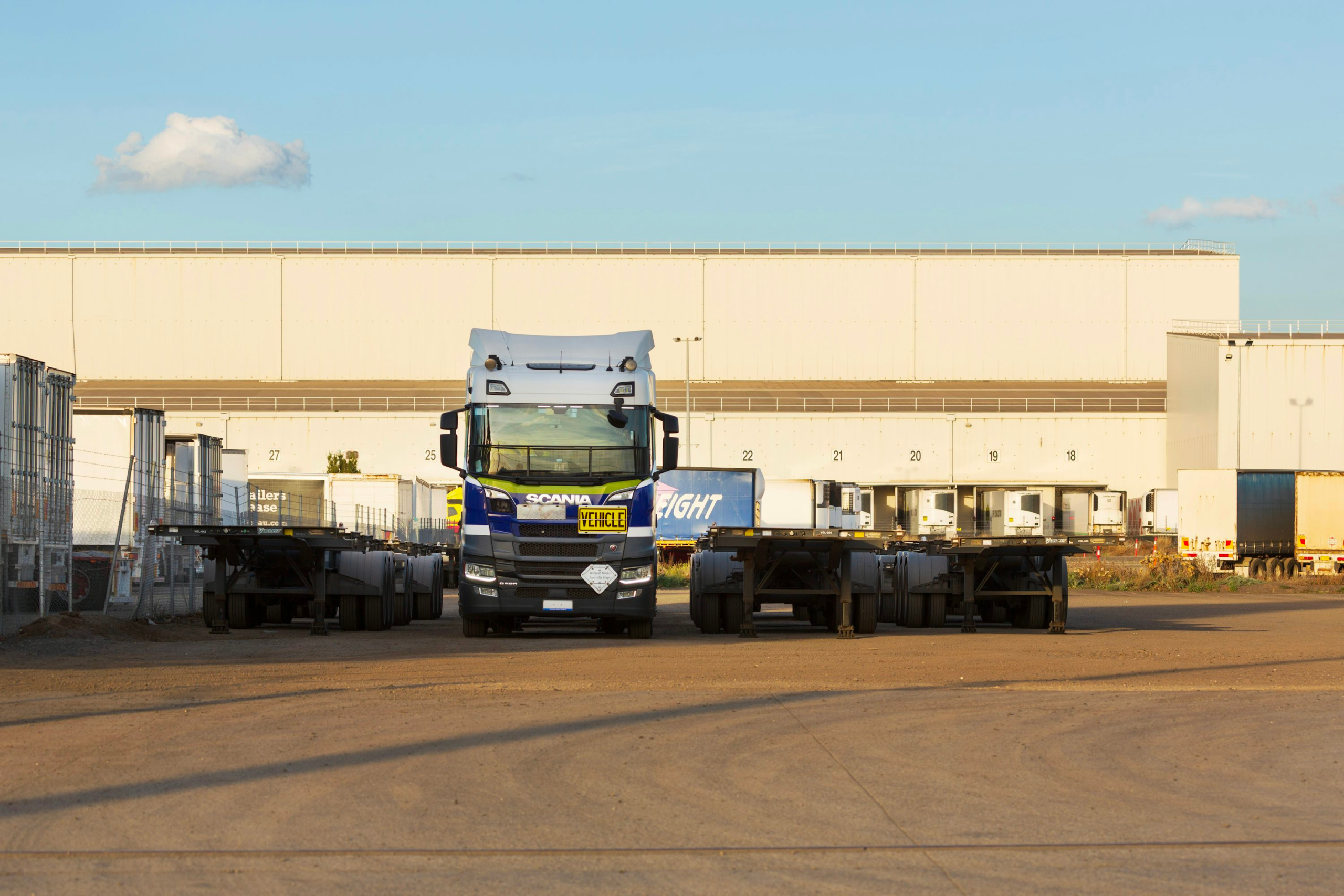
A. Duie Pyle has opened a 44-door less-than-truckload freight service centre in Greater Cincinnati, expanding its direct transport network into Southwest Ohio. The facility is located at 6549 Allen Road in West Chester Township and is intended to connect manufacturers, distributors and other regional shippers with the carrier’s established Northeast and Mid-Atlantic services. Announced on 20 October, the opening provides additional freight-handling infrastructure in an industrial area where businesses depend on frequent smaller consignments moving between production sites, suppliers and distribution centres.
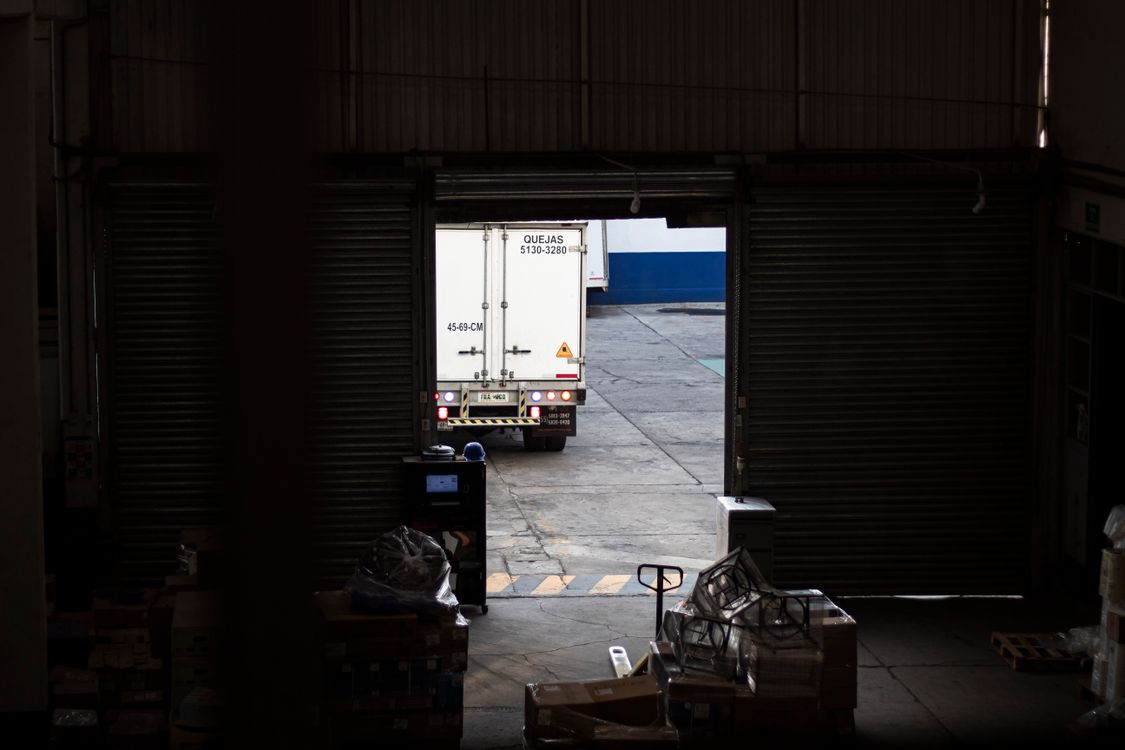
Less-than-truckload, or LTL, operations combine freight from multiple shippers on shared vehicles instead of assigning a complete trailer to one customer. A service centre receives consignments, checks their routing and transfers them between local delivery equipment and longer-distance linehaul vehicles. The number of loading doors influences how many trucks and trailers can be worked on simultaneously, although available labour, trailer staging space and handling equipment also determine usable capacity. Pyle’s 44-door specification is therefore a measure of physical handling provision, not a published daily volume or guarantee that all doors will operate at full utilisation.
Extending direct coverage into Southwest Ohio allows Pyle to control more of the local collection and delivery operation through its own network rather than rely exclusively on partner arrangements. The change may simplify coordination between local vehicles, cross-dock handling and long-distance linehaul departures, although the outcome depends on the individual lane and service purchased. It does not establish that every consignment avoids an interchange or that all destination points are served directly. Pyle has not published a complete new lane timetable or a measured improvement for Cincinnati in transit times.
Manufacturers use LTL services when the order volume is too small to fill a trailer or when dispatching goods immediately is preferable to waiting for a full load. Consignments may include pallets of industrial components, packaged finished goods, replacement parts and materials needed at receiving plants. The transport task involves consolidation, accurate freight labelling and handling through several stops. An additional terminal can shorten some local collection and delivery legs, though the overall journey still depends on linehaul connections, destination terminal capacity and the commercial service selected by the shipper.
West Chester Township lies within the wider Cincinnati industrial and distribution market. The company has identified the facility as a way to serve businesses across the Greater Cincinnati area and improve connections with existing Northeast and Mid-Atlantic operations. Site selection for an LTL terminal involves more than proximity to customers: trucks need access to major roads, space for arrival and dispatch, and enough yard capacity to stage freight without obstructing dock movements. The operator has not disclosed the land area, automated handling systems or trailer parking capacity of this specific development, so those details should not be inferred from the 44-door count.
Pyle expects the facility to employ 21 people initially, rising to approximately 36 by the end of 2026. Freight must still be unloaded, identified by destination, sorted, secured and dispatched within linehaul schedules, so staffing and the arrival pattern of trailers affect how much of the capacity of the 44 loading doors can be used. The projected workforce is not evidence that the building already processes a stated number of pallets or tons per day. The company has not disclosed the project cost or a detailed traffic forecast, and the later employment figure remains an expectation rather than an achieved total.
The opening follows other development across Pyle’s regional network. Independent reporting identifies a separate central Pennsylvania warehousing facility opened earlier in October, illustrating the company’s investment in both transport terminals and contract storage. Those operations are related but not interchangeable. An LTL service centre is generally built to move freight through the facility quickly, while a storage warehouse is designed to hold inventory and provide stock management or fulfilment functions. The new Cincinnati terminal should not be described as a 44-door storage warehouse or treated as equivalent to the Pennsylvania development.
Handling performance in a cross-dock is shaped by the timing of inbound arrivals and outbound departures. Goods arriving after a scheduled linehaul vehicle has left can miss a connection, while high volumes concentrated at the same hour can create queues for doors or forklifts. Route planning must therefore account for available capacity and for the time required to check, sort and secure mixed customer consignments. Changes to a network can improve lane coverage while creating an initial need to balance work between neighbouring terminals. The company has not detailed whether surrounding facilities will change their allocation of freight as Cincinnati activity increases.
The centre has opened, but the additional freight volume it can handle remains undisclosed. Its first operating results will depend on reliable collections in Greater Cincinnati, suitable onward linehaul connections and sufficient capacity to sort mixed consignments during peak arrival periods. Revised service maps, actual transit times and terminal utilisation would allow the effect of the expansion to be measured without treating the number of loading doors as a throughput forecast.