IN Brief:
- De Vreese has become Pall-Ex's principal Benelux partner, assuming responsibility for the regional licence.
- The Oudenaarde-based company operates 150 tractor units, 150 trailers, and 35,000 sq m of warehousing.
- The partnership connects the operator's established transport and storage activities with Pall-Ex's European pallet distribution network.
Pall-Ex Group has appointed Belgian logistics operator De Vreese as its principal partner for the Benelux region, giving the Oudenaarde-based business responsibility for the network’s regional licence. The agreement extends Pall-Ex’s European distribution structure across Belgium, the Netherlands, and Luxembourg, connecting established local transport operations with its international pallet network.
De Vreese will oversee the development of cross-border freight distribution within the three countries and connections with other European Pall-Ex operations. The appointment follows the group’s model of working with regional licence holders responsible for developing local network coverage and coordinating pallet movements through participating transport businesses.
Established in 1977, De Vreese Logistic operates across European road transport, warehousing, intermodal rail, sea freight, and air freight. The family-owned company has developed its logistics activities around transport and storage services for industrial and commercial customers, providing an operating base for its new responsibilities within the pallet network.
Its fleet comprises approximately 150 tractor units and 150 trailers, while its warehousing operations provide a total of 35,000 square metres of space. That capacity is distributed between two locations in Belgium and a third in Poland, supporting both domestic and international freight movements.
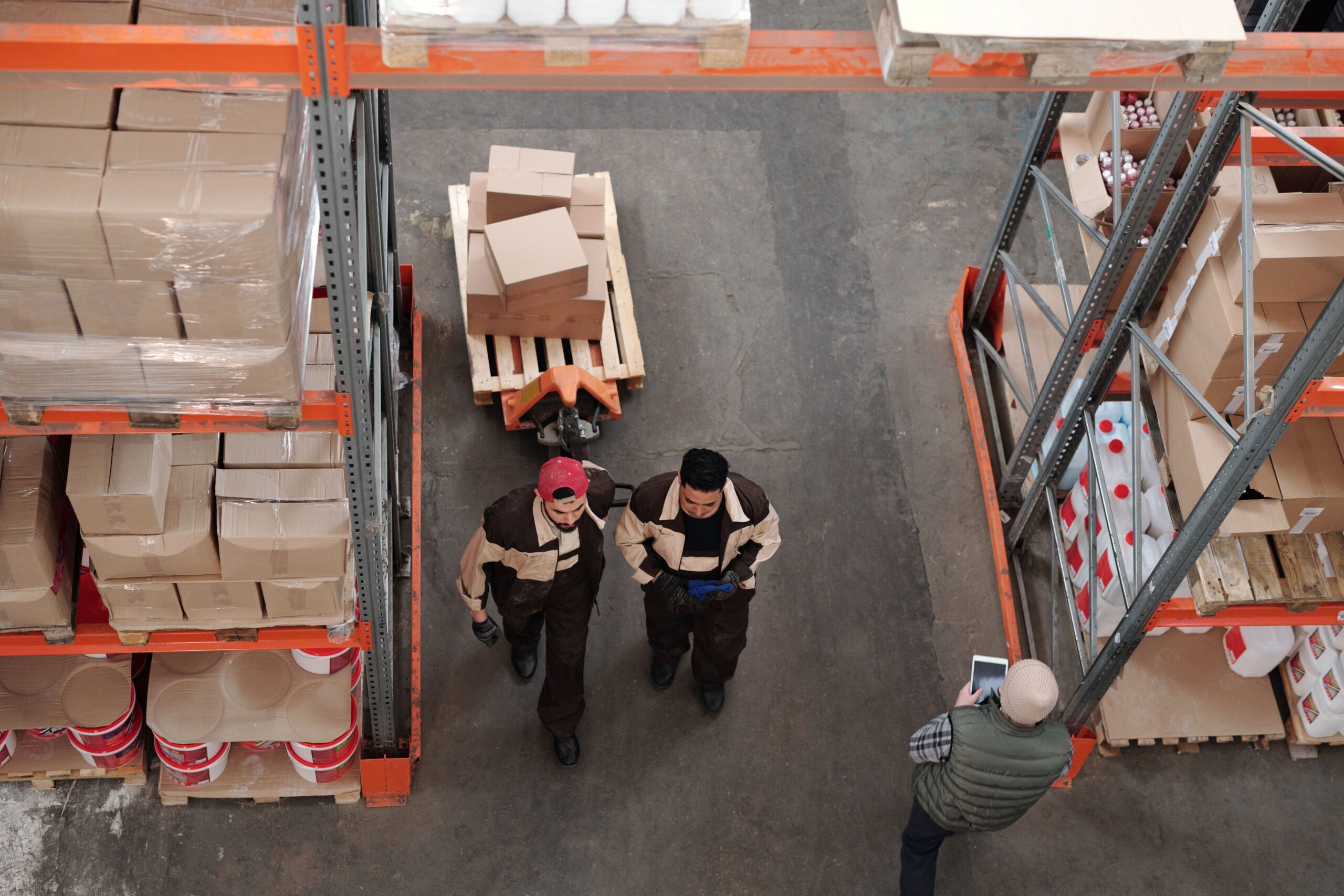
De Vreese’s warehouse services include short-term and long-term storage, container collection, palletising, inventory handling, order picking, and onward distribution. These activities allow the company to manage goods arriving in larger consignments before preparing them for delivery in smaller quantities to different customer destinations.
The company also provides cross-docking, receiving freight and combining consignments for onward transport without holding the goods in long-term storage. Incoming loads can be separated by
destination and assembled into new vehicle movements, allowing transport capacity to be matched more closely with the freight available for distribution.
That process is closely aligned with the operating principles of pallet networks. Rather than arranging a separate direct vehicle movement for every individual consignment, participating transport operators consolidate palletised freight and move it through an interconnected system of depots and distribution hubs.
A pallet collected from an industrial customer can travel first to a regional facility, where it is combined with freight travelling towards the same part of the network. Following a trunk movement, the consignment is transferred to another operator responsible for delivery within the destination area.
Consolidation allows vehicles to carry freight from multiple customers along common routes. It also requires accurate identification and tracking of individual pallets, because each consignment may pass through more than one facility and be handled by several different operators before reaching its destination.
Pall-Ex uses a hub-to-hub model across its European operations, with regional partners coordinating local collection, distribution, and connections to other markets. Its network includes established activities in the UK and across several continental European countries, including France, Italy, Spain, Portugal, and Romania.
The Benelux agreement provides a designated partner for three countries connected by major road freight corridors and international trading gateways. Belgium and the Netherlands contain significant maritime, industrial, and distribution activity, while Luxembourg forms part of the wider road freight network connecting northern and central Europe.
Freight passing through these markets can include manufacturing components, packaged goods, industrial supplies, and other consignments suited to palletised transport. Their movement depends on collection and delivery coverage, vehicle capacity, and the ability to transfer freight between regional operations at the required times.
De Vreese’s existing road transport resources provide a foundation for these activities. Its international experience and storage operations also allow it to coordinate freight movements that include temporary warehousing or consolidation before delivery into the pallet network.
The regional licence establishes responsibility for network development, although the final configuration of participating depots and individual transport operators will determine service coverage. A master licence arrangement typically involves coordinating local partners and maintaining common operating standards while using the wider organisation’s network infrastructure.
Pall-Ex supports its distribution activities through Nexus, an internally developed logistics management system. The platform incorporates shipment tracking, international delivery functions, and operational information used by participating businesses, allowing pallet movements to be managed through a common digital environment.
The system provides tools for tracking consignments as they pass between network locations, with information available to the operators responsible for handling them. Accurate scanning and transaction records allow the network to identify where a pallet was last processed and confirm subsequent delivery activity.
International movements introduce additional coordination requirements because freight must pass between national distribution structures. Consignment information, receiving arrangements, transport
schedules, and delivery confirmations need to remain consistent as responsibility transfers between operators.
Pall-Ex Europe managing director Giovanni Pallastrelli has identified De Vreese’s regional experience and established logistics operations as foundations for the Benelux partnership. Pepijn De Vreese, director of De Vreese Logistics, has outlined plans to strengthen cooperation between network partners and develop the company’s role as licence holder.
The appointment follows other developments within Pall-Ex’s European business, including Emons Logistics Group’s acquisition of Pall-Ex Iberia and investment in a distribution hub serving the French network. The Benelux arrangement adds another regional organisation to that existing structure, expanding the geographical connections available for international pallet movements.
De Vreese will now develop the Benelux operation using its existing transport and warehousing capabilities alongside the wider Pall-Ex network. The partnership establishes regional licence responsibility across Belgium, the Netherlands, and Luxembourg, with subsequent network development determining the extent of its collection, distribution, and international service coverage.