IN Brief:
- The CGT ports and docks federation has called a 24-hour national stoppage on 17 November 2026.
- Marseille-Fos has a reported action window from 20:00 on 16 November to 20:00 on 17 November.
- Actual disruption will depend on local participation, terminal operations, vessel schedules, and onward transport arrangements.
France’s cargo ports face a 24-hour national stoppage called by the CGT National Federation of Ports and Docks for Tuesday 17 November 2026. Freight forwarders have warned that dock labour action could interrupt vessel handling and hinterland connections, although no verified nationwide total of closed terminals or delayed containers was available at the time of this review on 16 November.
At Marseille-Fos, freight forwarder Qualitair & Sea reported a planned stoppage from 20:00 local time on Monday 16 November until 20:00 on Tuesday. A Kuehne+Nagel notice dated 13 November also warned of a national call for industrial action and possible freight disruption. Neither advisory establishes that all berths, terminals, or gate services will be unavailable for the full period, and participation at other ports must be checked against local operational notices.
The CGT federation’s call is its third in less than three weeks, according to the freight advisory. Dockworkers have raised pay and working conditions, while some local campaigns have also challenged the handling of military cargoes. The wider mobilisation began with public-sector unions demanding pay measures, before calls for participation extended into the private sector. These overlapping disputes should not be treated as one identical industrial disagreement at every port.
The extent of the interruption will be determined locally. A national notice can affect multiple terminal operators without producing an identical stoppage at every berth or shift, and staff coverage for quay operations may differ from arrangements for truck gates, pilotage, and rail connections. Published expectations of widespread disruption are not a measured count of cancelled vessel calls or containers left unhandled.
Marseille-Fos serves containerised cargo, bulk commodities, industrial inputs, and energy movements across Mediterranean trade routes. A disruption extending from one evening to the next can intersect with more than one terminal shift and can affect a ship already alongside as well as a vessel due to arrive during the stoppage. The reported 20:00 start and finish is a scheduling warning, not evidence that all terminal activity has ceased for those exact hours.
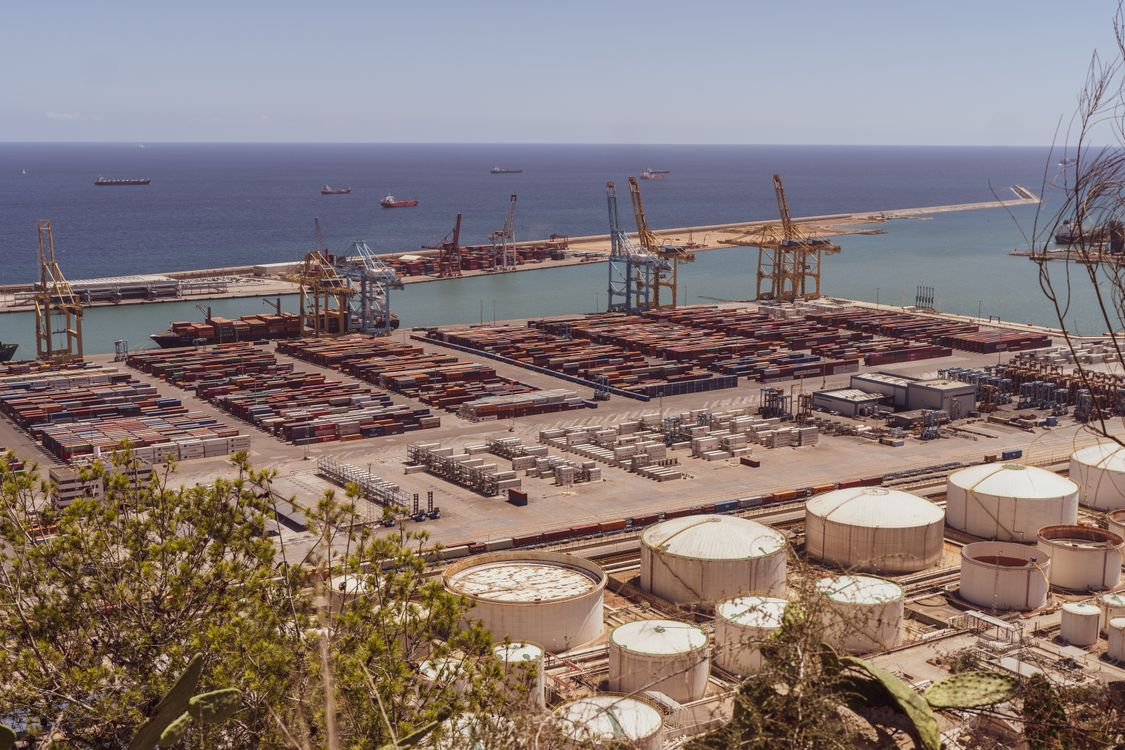
Container terminals normally sequence quay crane work, internal transfers, stack operations, and truck or rail collections around a vessel’s planned departure. If cargo handling labour is unavailable, imported boxes may remain on the vessel or in the terminal longer than expected, while export boxes can miss loading opportunities. Shipping lines may then need to revise berth windows, redistribute work across shifts, or arrange for containers to connect with later services.
Those consequences are not always limited to the strike itself. A vessel that misses a narrow berth allocation may have to wait for cranes and labour once operations resume, particularly where other scheduled calls are already competing for capacity. Gate traffic can also build after reopening if haulage firms have held collections or deliveries during the disruption. The scale of any backlog at French ports will need to be measured after the relevant shifts, rather than forecast as a fixed delay.
Export containers face a risk when their terminal receiving window or documentation cut-off coincides with an affected shift. A vessel may depart without a box that cannot be accepted or loaded, or its sailing may be rescheduled; import collections depend on completed discharge, release procedures, and the availability of truck or rail slots. The consequences vary by line, terminal, cargo, and the point reached in the handling sequence, so one common delay estimate would be misleading.
Road haulage faces a separate area of uncertainty. Qualitair & Sea has identified transport-sector mobilisation during 16–20 November but noted that the extent of any road impacts was not established. A port can therefore encounter two different constraints: disruption to work inside the terminal and difficulty moving containers through its inland transport network. Neither should be reported as an actual nationwide road blockade without further evidence.
The effects may also be uneven after labour returns. If terminal stacks and quays already contain boxes awaiting handling, reopening a truck gate does not immediately restore container release or crane productivity. Operators must sequence delayed vessels alongside arrivals that remain on the original timetable, while hauliers compete for appointment capacity. The size of any backlog will become measurable only after local operators disclose the shifts and cargo movements affected.
The strike call covers Tuesday 17 November, with Marseille-Fos separately identifying a planned stoppage from 20:00 on Monday until 20:00 on Tuesday. Terminal notices and shipping-line updates will determine which receiving cut-offs, truck appointments, and vessel calls actually change. Any publication issued after the action begins must use verified operational information, where available, rather than convert a strike warning into a nationwide closure or quantified delay.