IN Brief:
- The 2026 Agility index ranks 50 emerging markets for supply-chain performance.
- China leads overall, followed by Malaysia and India.
- Executives expect volatility, prioritising digital readiness, storage capacity, and resilience.
The 2026 Agility Emerging Markets Index does not sugarcoat the operating challenges facing global supply chains: volatility is no longer an exceptional event, but a baseline condition shaping sourcing, network design, and investment decisions.
Built around a ranking of 50 emerging markets, the index combines measures of domestic logistics strength, international logistics capability, business fundamentals, and digital readiness — with the digital assessment expanded this year to include AI readiness, adoption, and investment. That last element is doing more than rounding out the scorecard; it is increasingly tied to the ability to plan, reroute, and execute under stress, particularly where customs processes, visibility, and inventory planning have become determinants of service levels.

China tops the overall rankings on a score of 8.31, with Malaysia second (6.64) and India third (6.52). The United Arab Emirates ranks fourth (6.40), followed by Saudi Arabia (6.31) and Qatar (6.21). Russia sits seventh (6.19), with Turkey eighth (6.03), Indonesia ninth (6.02), and Thailand tenth (5.94). The index also tracks rank movement: India climbs four places into third, Indonesia rises five into ninth, and Russia jumps six into seventh, while the UAE and Qatar each slip two places.
Alongside the country rankings, the accompanying executive survey captures what is driving network choices. Respondents frame the current environment as one where route security, tariff sparring, inflation shocks, and geopolitical fragmentation interact, rather than arrive neatly one at a time. The report’s language is pointed on constraints inside emerging markets, too: the greatest perceived threats to supply chain resilience were weak digital infrastructure and connectivity (25.7%) and insufficient warehouse and storage capacity (24.2%), ahead of unreliable energy supply (19.4%), poor transport infrastructure (15.7%), and labour skills shortages (15.0%).
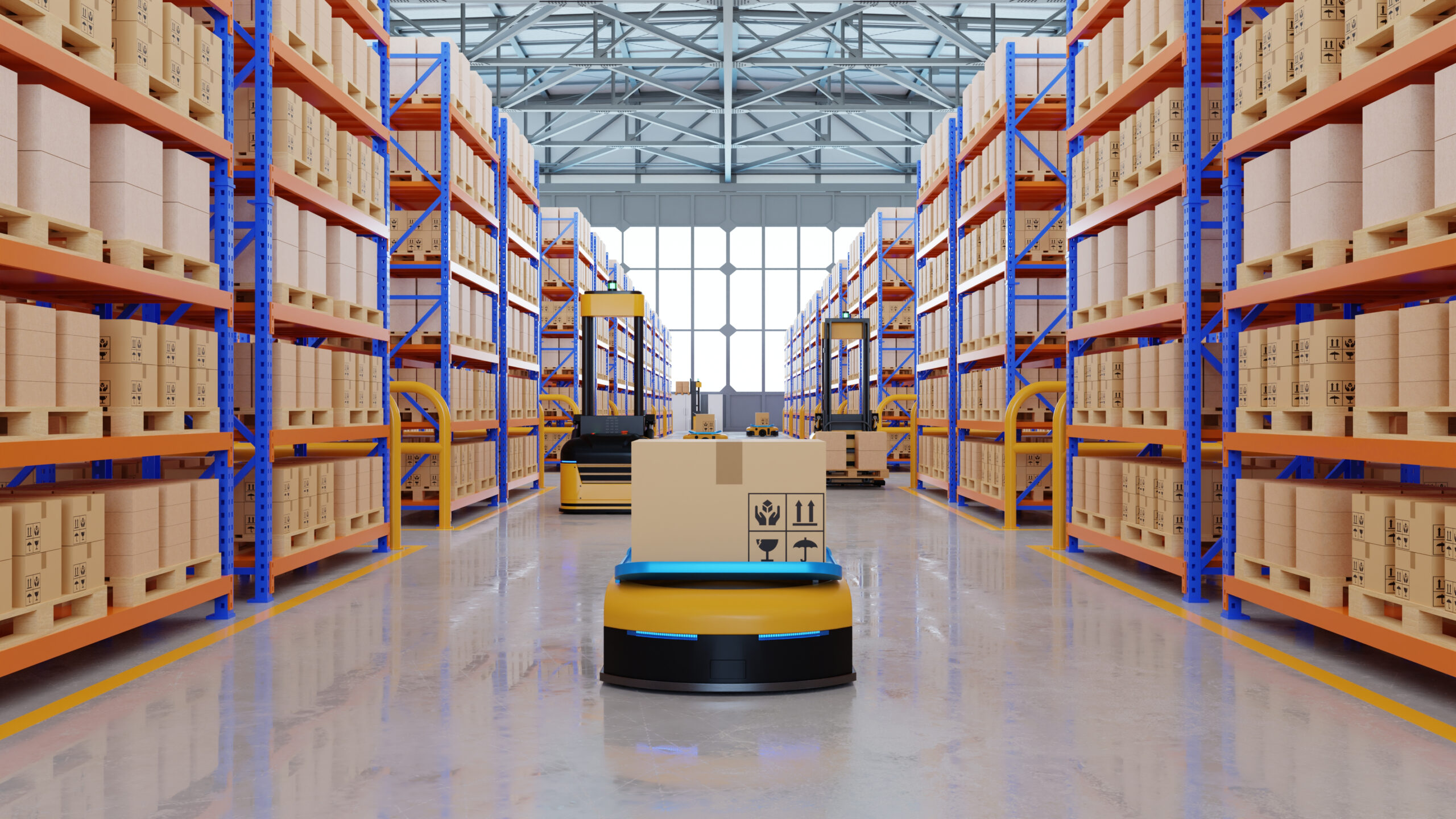
Storage capacity showing up near the top is telling. It suggests many companies are still paying for resilience through inventory positioning — and are increasingly constrained not by willingness to hold stock, but by the availability and quality of warehousing, inland nodes, and the digital systems that make multi-site inventory workable. The data implies that the “resilience premium” is becoming a property-market and infrastructure problem as much as a procurement choice.
The report also flags a more uneven picture on sustainability execution. While some businesses are maintaining or accelerating initiatives, just under half of respondents said they are slowing down (25.4%) or pausing initiatives (22.7%). The most cited reasons were budget constraints (18.5%), shifting business priorities (18.1%), and difficulty demonstrating return on investment (14.9%). In practice, that points towards a bifurcation: projects tied to operational efficiency and asset performance are holding up better than programmes seen as discretionary.
For supply chain leaders using the index as a planning tool, the useful output is not a single “best market” answer, but a clearer view of where execution risk is likely to concentrate: digital and data infrastructure, warehousing depth, and the ability of markets to absorb rapid rerouting and supplier changes without collapsing lead times.