IN Brief:
- Amazon Air has leased 50,182 sq ft at Jacksonville International Airport for cargo processing.
- Operations are targeted for Q4 2026 following site improvements.
- The facility becomes Amazon Air’s first air cargo location in Northeast Florida, shortening regional linehaul legs.
Amazon Air has added Jacksonville International Airport to its air cargo footprint, signing a lease for a 50,182-square-foot warehouse and distribution facility that will be used for air cargo storage and processing. Operations are expected to begin in Q4 2026, following improvements at the site.
The facility — Air Cargo Building Four, at 14200 Pecan Park Road — gives Amazon a first dedicated air cargo base in Northeast Florida. The immediate operational value is reduced friction between inbound flights and last-mile networks in the Jacksonville area, where Amazon already operates a broad mix of fulfilment and delivery infrastructure. By establishing a local air processing point, the business can shorten the ground leg that typically follows air arrival, particularly for time-sensitive flows where truck transfers can become the hidden variable in a nominally “two-day” promise.
Jacksonville also sits in a geography where a single air node can serve a wide arc: parts of Florida, coastal Georgia, and inland corridors that are often constrained by highway congestion at peak periods. For air cargo, the objective is not only flight capacity, but predictable handoff into sortation and delivery.
Amazon Air’s network has not been static. The company has exited operations at several US airports since 2023 while continuing to expand in selected regions and rebalance capacity. The Jacksonville move fits that pattern: a targeted addition that supports regional density rather than a headline-grabbing hub build.
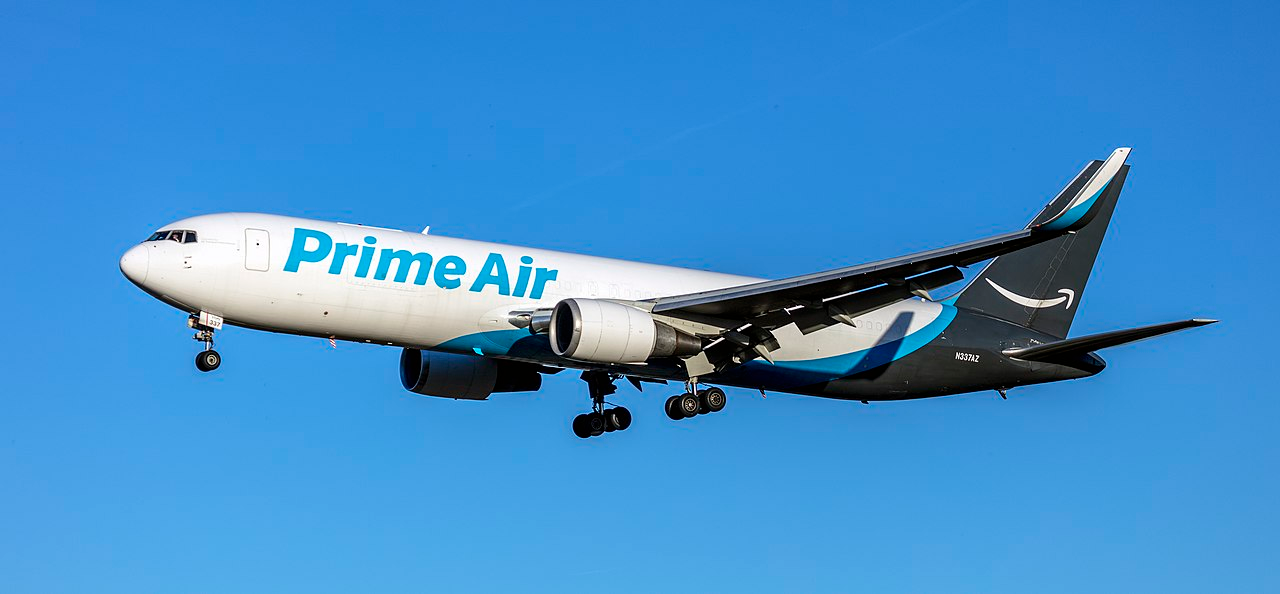
At a network level, Amazon Air operates a fleet of more than 100 aircraft and runs over 250 daily flights. Beyond parcel movements, the business also handles categories such as pharmaceuticals, perishables, and certain regulated goods, all of which place stricter demands on chain-of-custody processes, temperature management, and dwell time control.
The Jacksonville lease is also notable for its timing. The start date, late 2026, indicates a build-out and readiness window that likely includes airside and landside works — everything from handling equipment and security processes to building systems and operational commissioning. That runway matters, because the real constraint in air logistics is rarely signing a lease; it is getting consistent, repeatable performance across an end-to-end process that spans ramp handling, warehouse processing, and dispatch.
For shippers and 3PLs in the Southeast, the longer-term question is whether Amazon’s growing regional air presence will translate into more third-party capacity offerings, or remain largely optimised for internal flows. For now, the Jacksonville site is another piece of infrastructure that increases Amazon’s ability to shift volume quickly inside its own network when peak demand or disruption forces a re-route.