IN Brief:
- BGMEA reported 121 garment factories unable to produce on 15 November, including 65 closed under Section 13(1).
- Factory stoppages affected export manufacturing areas including Savar, Ashulia, and Gazipur, with different legal statuses applying.
- The 16 November minimum wage board meeting was postponed; employers’ proposal was not formally tabled.
The Bangladesh Garment Manufacturers and Exporters Association (BGMEA) recorded 121 factories without production on Sunday 15 November as wage disputes continued across the country’s major apparel manufacturing areas. Of those, 65 were closed under Section 13(1) of the Bangladesh Labour Act. The other affected factories were not necessarily closed on the same legal basis, so the two figures describe different aspects of the disruption.
The number of factories described as closed under Section 13(1) increased from 55 on Saturday to 65 on Sunday, while the wider daily count of factories not producing fell from 147 to 121. Those movements can occur together when some workplaces resume production but others enter longer closures. Neither measure is a count of permanently lost manufacturing capacity, nor does it establish the number of export orders delayed or cancelled.
The reported stoppages affected Savar, Ashulia, and Gazipur, where large groups of garment factories supply international clothing brands and retailers. The association reported some easing in Ashulia alongside worsening disruption in Gazipur. Individual exporters can face different operating conditions even within the same regional supply network. Public industry totals do not identify which factories have completed goods ready for collection and which still have unfinished orders on their lines.
Workers’ representatives have proposed raising the statutory minimum monthly wage to Tk32,000 from the current Tk12,500, while employers have raised concerns about the affordability of a substantial increase. Industry reporting suggested that factory owners had discussed an offer of about Tk15,000, but this figure had not been formally submitted to the wage board by Monday evening. The new wage structure has been targeted to take effect on 1 December, leaving little time for employers to prepare if negotiations continue to slip.
A third meeting of the Minimum Wage Board, scheduled for 16 November, was postponed after a permanent workers’ representative fell ill. BGMEA and the Bangladesh Knitwear Manufacturers and Exporters Association said their representative had been ready to present an employers’ proposal and pressed the authorities to announce another meeting promptly. No replacement date had been confirmed in the available 16 November reports. The postponement has left the wage negotiation unfinished while output remains interrupted at some factories.
Employers have invoked Section 13(1) during the unrest, a provision associated with temporary shutdowns and a no-work, no-pay arrangement in specified circumstances. A factory recorded as closed indefinitely under this provision should not automatically be described as permanently shut or insolvent. Actual reopening dates depend on conditions at individual workplaces, management decisions, and the course of the labour dispute, none of which can be derived from the association’s daily aggregate count.
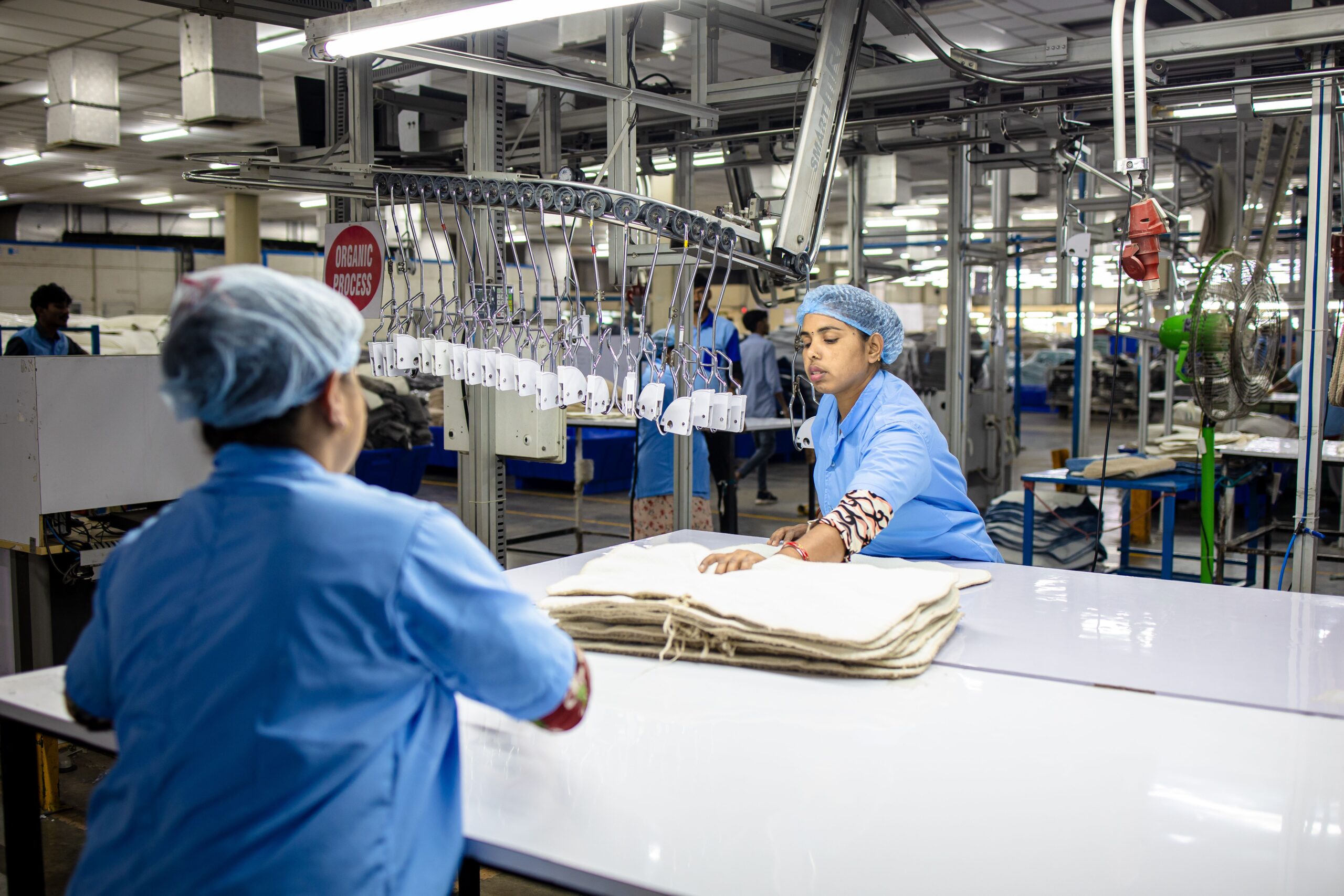
Garment production involves successive operations from fabric and accessories receipt to cutting, sewing, finishing, inspection, packing, and export dispatch. A line stopped before final inspection can hold up an entire customer order even if most of the sewing has been completed. Buyers may be able to shift production to another approved site, but that depends on available materials, spare capacity, equipment suitability, and the time needed to meet quality requirements. No verified nationwide total of delayed orders accompanies the latest closure figures.
Irregular output also complicates transport scheduling. Export containers must be collected from production sites, presented with the required documentation, and moved before terminal and vessel cut-offs; fabrics and accessories still need warehouse space if delivery to a disrupted factory is deferred. Repeated changes to a factory’s operating status can leave transport providers with booked vehicles but no cargo, or with completed shipments arriving too close to a sailing deadline. These are credible exposure points rather than confirmed losses measured in the BGMEA figures.
Order-level information is needed to establish how much disruption reaches international buyers. A temporarily closed plant may already have packed goods waiting for collection, while a site shown as operating may still be behind schedule. Production resumption can also come too late for an earlier shipping cut-off, creating a delay after work has restarted. Factory status, work in progress, finished stock, and confirmed transport bookings give different views of a customer’s exposure.
Earlier disruption to apparel export shipping schedules was documented on 4 November. The BGMEA figures dated 15 November and the wage board postponement the following day are separate developments in the same dispute. Comparing the dates requires care because daily counts can fall as factories reopen, while the total invoking Section 13(1) can increase.
Updated factory operating figures, the next wage board meeting date, and subsequent evidence of missed export shipments will determine the scale of disruption during the coming days. The latest verified snapshot establishes a significant interruption to production, but available reporting does not yet quantify the resulting effect on container throughput, delivery penalties, or international purchasing schedules.