IN Brief:
- The first European-built SuperPanther eTopas 600 has been handed to DHL Freight.
- Its stated specification includes a 621kWh battery, 560km range, and 660kW charging.
- Dutch commercial operation will follow testing on Austrian freight routes.
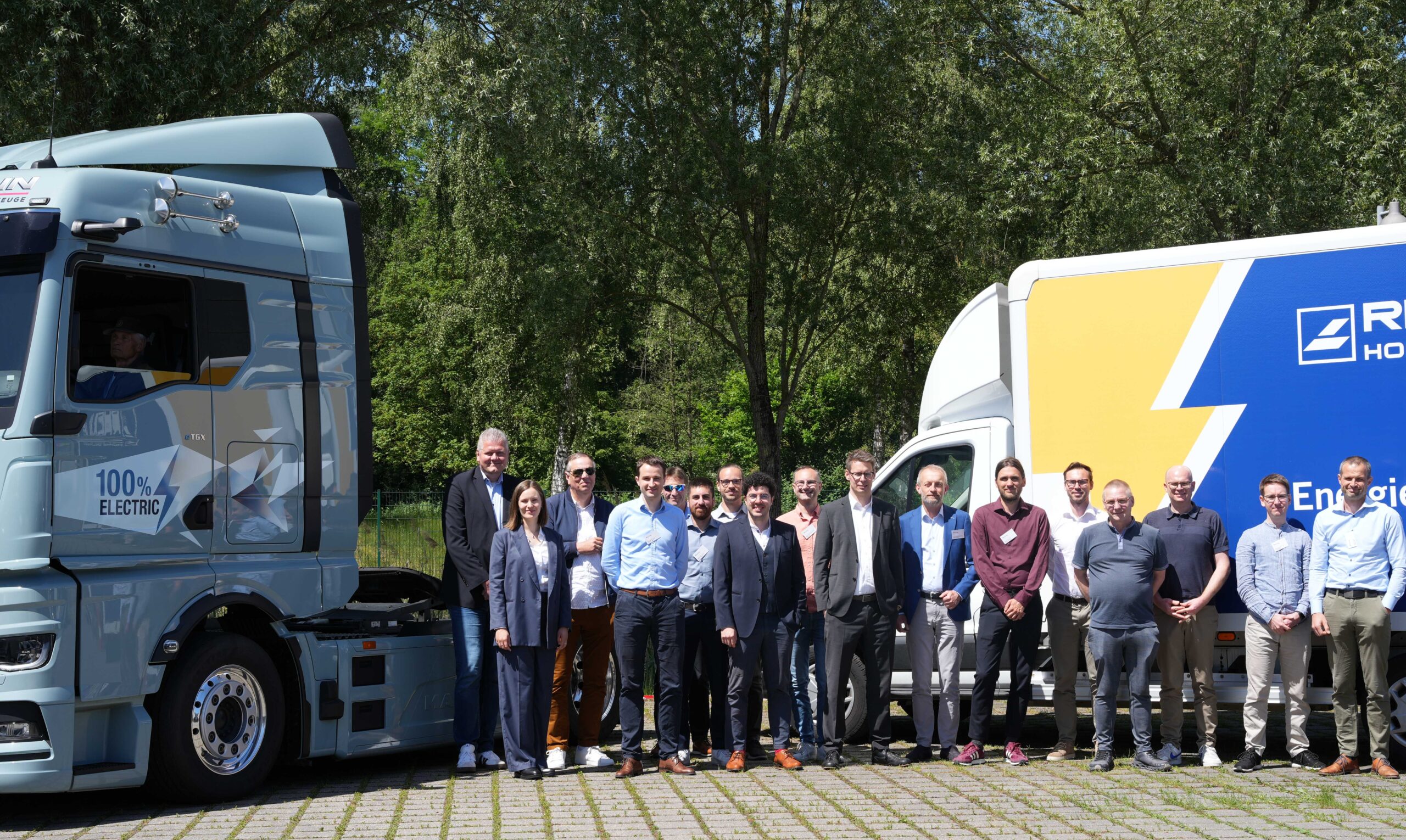
DHL Freight has taken the first heavy-duty electric truck manufactured in Europe by SuperPanther, moving the eTopas 600 from production in Austria towards a planned commercial deployment in the Netherlands during September.
The vehicle was produced with Steyr Automotive at its plant in Steyr and will be transferred to the Netherlands during August. It follows a memorandum of understanding signed by DHL Freight and SuperPanther in 2024 and operational testing conducted in Austria during 2025, including work on the Vienna-to-Wels route.
The eTopas 600 uses a 621kWh CATL lithium iron phosphate battery. SuperPanther gives the truck a range of up to 560km, continuous motor output of 394kW, and peak output of 692kW. Two CCS2 connections provide stated charging power of up to 660kW, with a claimed 20% to 80% charging time of no more than 38 minutes when both are used.
Those figures place the vehicle within reach of regional and some longer-distance duties, but nameplate range remains only the starting point for fleet qualification. Payload, speed, terrain, weather, auxiliary demand, congestion, and battery temperature all influence energy consumption.
The infrastructure must match the vehicle
DHL’s Austrian trials provide a stronger foundation than moving directly from specification data into customer service. Daily operation exposes charging conflicts, driver feedback, route variability, workshop requirements, and the smaller delays that can be missed during a controlled demonstration.
High charging power could return the truck to service quickly, provided the depot can supply it. A 660kW session represents a substantial electrical load, and operators cannot assume that grid capacity, connection agreements, chargers, and energy-management systems will arrive with the vehicle.
The business case depends on coordinating trucks and infrastructure within the same operating plan. A vehicle may meet its route requirement while one truck is charging, yet the calculation changes when several units return to a depot at similar times and compete for available power.
Lithium iron phosphate chemistry offers thermal-stability and material-sourcing advantages, although its energy density is generally lower than some alternative lithium-ion chemistries. For a heavy truck, battery mass and packaging must be balanced against range, payload, durability, and cost.
SuperPanther was founded in China in 2022 and developed the eTopas 600 for the European market through its cooperation with Steyr Automotive. European assembly can support local integration and shorten parts of the supply chain, although the vehicle continues to depend on an international network of batteries, electronics, drivetrain components, and production services.
DHL Freight says approximately 1,700 low-emission vehicles are already operating across the group. That scale provides more data for comparing energy use, reliability, maintenance, and route suitability, but it also increases the need for standard charging, workshop, and scheduling procedures.
The Netherlands offers a dense logistics market with port traffic, regional distribution, and substantial cross-border freight. Repeatable depot-based work may suit the truck, although congestion and variable customer waiting times can undermine a carefully modelled charging schedule.
Electric trucks will not replace every diesel duty at the same rate. Vehicles returning to a depot, operating predictable routes, and accumulating sufficient mileage to use lower energy costs are generally easier to justify than irregular long-distance work.
The handover is a manufacturing milestone; the operational evidence will follow after September. Fleet data will show whether the truck can deliver the range, charging performance, payload, and utilisation implied by its specification.