IN Brief:
- The Nanjing distribution centre covers approximately 24,000m² and combines ambient and multi-temperature storage.
- GLP’s GFS business provides cold chain operations and distribution on selected routes.
- The Nanjing site is ALDI’s third dedicated GLP distribution centre in East China in just over 13 months.
GLP has opened an approximately 24,000m² distribution centre for ALDI at its Jiangning Logistics Park in Nanjing, adding another temperature-controlled node to the supermarket chain’s East China supply network. The facility combines ambient and multi-temperature storage with warehousing and distribution services provided in part by GLP’s cold chain business, Global Freezer Services (GFS). It will support stores in Jiangsu and Anhui provinces as ALDI extends its presence beyond Shanghai.
The Nanjing opening follows dedicated ALDI sites at GLP Shanghai Neo Northwest Logistics Park and GLP Wuxi Airport Logistics Park, all three having opened within just over 13 months. Their locations give ALDI separate dispatch points across eastern China as its store base develops. That changes the decisions behind each delivery: stock can be allocated to a regional warehouse before it is picked for a store, but suppliers and transport operators must match replenishment volumes to the correct building. GLP has not stated the Nanjing site’s pallet capacity, investment value, daily vehicle movements or outbound throughput.
Ambient goods and temperature-sensitive groceries must move through different handling conditions. At goods-in, staff or automated controls need to verify that chilled and frozen loads enter an appropriate storage zone without excessive exposure to warmer air; picking and loading then have to preserve the relevant temperatures until vehicles depart. Nanjing has ambient and multi-temperature storage, but GLP has not identified the chamber temperatures, their respective floor areas or the equipment used to manage them. The mix of fresh, frozen and shelf-stable stock will determine much of the facility’s practical storage and dispatch capacity.
GLP and its cold chain business, Global Freezer Services (GFS), completed customised building modifications within one month. The operator has not itemised the changes, so there is no basis for assigning particular racking, refrigeration controls or automation to that work. GFS will provide warehousing and temperature-controlled operations as well as distribution on selected routes. That last qualification limits the confirmed transport scope: it does not mean GLP has taken over every ALDI delivery in China. Regional service responsibilities may remain divided between different locations and carriers.
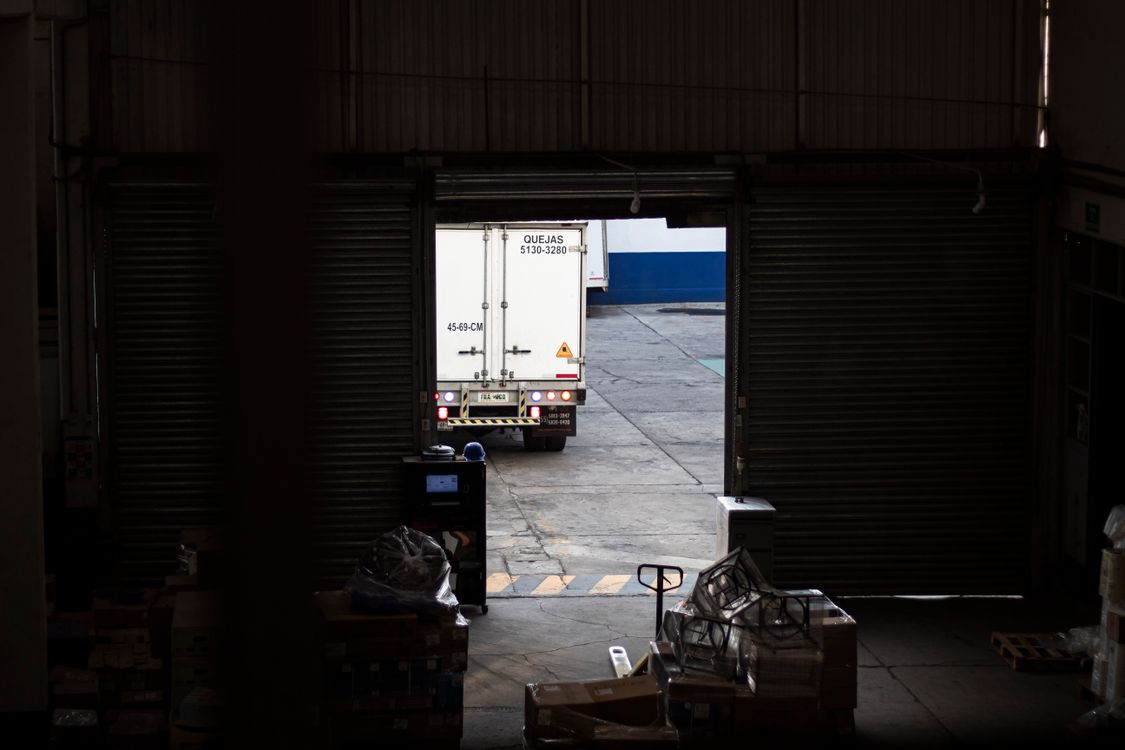
At park level, GLP identifies a large single-storey refrigerated warehouse with vehicle access on three sides and 70 loading bays. These specifications describe the logistics park infrastructure and should not be taken as a confirmed loading-bay count exclusively assigned to ALDI. Multiple accessible sides can allow separate vehicle movements and loading activity, while a large number of dock positions creates the physical possibility of handling inbound and outbound traffic at the same time. Real throughput would still depend on appointment control, available labour, picking rates and the balance between stock arriving and leaving.
GLP Jiangning Logistics Park is in Nanjing’s Jiangning Airport area, close to food-processing operations. A warehouse there offers a further receiving and dispatch point for stores in Jiangsu and Anhui, although it is not possible to quantify journey savings without actual origin and destination data. The same inventory may take a shorter final leg from Nanjing while requiring a different inbound movement from its supplier. Route planning, delivery frequency, vehicle fill and which goods remain at Shanghai or Wuxi will determine whether the additional node improves overall distribution efficiency.
The park includes rooftop solar generation and electric vehicle charging infrastructure. GLP has not quantified on-site solar output, charging capacity, fleet electrification or resulting emissions savings for the new ALDI operation. The installations therefore describe infrastructure available at the location, rather than evidence that all refrigerated distribution will use electric vehicles or renewable electricity. Refrigerated facilities also have a continuous electrical load associated with maintaining product conditions, making actual energy demand dependent on the equipment, building envelope, door movements and operating schedule.
A three-site network also requires accurate allocation between buildings. Grocery stock has different shelf lives and temperature requirements, and a case booked into one warehouse cannot automatically fulfil a store order planned for another. The available systems must therefore keep receiving, inventory records, expiry dates and dispatch instructions consistent as demand changes across the region. GLP has not reported order accuracy, inventory availability or on-time deliveries for the Nanjing centre. Those operating measures, rather than the number of facilities alone, would establish the network’s performance after the expansion.
With the Nanjing centre in operation, GLP’s relationship with ALDI now includes three dedicated facilities in eastern China and a defined cold chain role for GFS. The disclosed scope is approximately 24,000m² of mixed-temperature storage, regional coverage of Jiangsu and Anhui, and selected-route distribution. The development adds physical capacity to a growing grocery network, while the final division of inventory, transport duties and throughput among the three centres has not been published. Those details will determine how the new site performs through regular store replenishment cycles.