IN Brief:
- Hapag-Lloyd will apply an Emergency Operations Charge for third-party feeder services in North Europe.
- The charge is set at US$50 per TEU and applies to all container types.
- Affected ports include locations in Great Britain, Ireland, Denmark, Finland, Norway, Sweden, Poland, Estonia, and France.
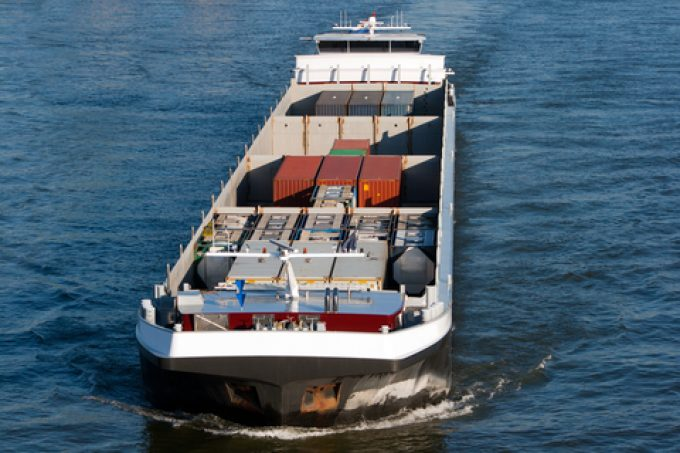
Hapag-Lloyd is introducing an Emergency Operations Charge for third-party feeder services in North Europe, as higher operating costs continue to feed through into container shipping networks.
The new charge will apply at origin or destination, depending on the shipment. It is set at US$50 per TEU and will apply to all container types. For non-FMC regulated trades, the charge will apply to shipments with a tariffing date on or after 7 May 2026. For FMC-regulated trades, it will take effect from 23 May 2026.
The affected port list includes Dublin and Ringaskiddy in Ireland; Aalborg and Copenhagen in Denmark; Muuga in Estonia; Kemi, Kokkola, Kotka, and Oulu in Finland; Dunkirk in France; and Belfast, Grangemouth, Immingham, South Shields, and Teesport in Great Britain. It also covers multiple Norwegian ports, Szczecin in Poland, and several Swedish locations including Ahus, Gavle, Helsingborg, Norrkoping, and Soderalje.
The surcharge is separate from Hapag-Lloyd’s Emergency Fuel Surcharge, which covers incremental fuel costs within its own operated services. The new charge addresses operational cost increases passed on by third-party feeder operators, whose vessel and barge services connect outports into wider container networks.
Feeder services are often treated as a secondary layer in container supply chains, but their operational role is central to hub-and-spoke shipping. They connect regional ports to mainline services, support inland and coastal markets, and give shippers access to global routes without relying only on the largest gateway ports. When feeder costs rise, the effect can appear in freight invoices long before cargo owners feel a direct change in mainline vessel schedules.
The cost environment remains shaped by fuel volatility, security risk, rerouting, and congestion in parts of the global maritime system. Even where cargo does not pass directly through a disrupted region, network costs can move quickly because ships, fuel, insurance, and feeder assets are allocated globally.
Shippers using North European feeder-linked routes will now face a new cost line across all container types. The operational effect may vary by lane and cargo type. Surcharges can alter routing decisions, encourage consolidation through larger ports, or prompt forwarders to reassess whether feeder-linked options remain competitive for lower-margin cargo.
Ports on the affected list also face a competitiveness question. Feeder connectivity is part of their value proposition, especially for manufacturers, importers, and exporters located away from major deep-sea gateways. If feeder-linked costs remain elevated, inland transport alternatives and gateway-port routing may become more attractive for some cargo flows, depending on distance, service frequency, and delivery windows.
The charge shows how maritime disruption is increasingly translated into specific operational costs rather than only broad freight-rate movements. Container shipping is passing through more granular surcharges tied to fuel, feeder providers, security, and route risk. Cargo owners will need to track these adjustments closely, as feeder charges can materially change landed cost calculations on routes that previously appeared stable.