IN Brief:
- LogiPharma 2026 runs 14–16 April in Vienna, with more than 2,500 registered delegates and a 350+ session agenda.
- The programme leans heavily into digital operations, including agentic AI, transport visibility platforms, automated execution, and cybersecurity.
- A new two-experience format splits supply chain and logistics content, alongside shared plenaries, peer boardrooms, and the LogiPharma Academy.
Vienna will host LogiPharma 2026 from 14–16 April, as the life sciences supply chain conference relocates to the Austria Center Vienna. Organisers are positioning the event as a larger-scale European edition, with more than 2,500 registered attendees expected across pharma, biotech, medtech, logistics service providers, and technology companies, and a programme structured around Intelligent Futures, Resilient Networks, and Global Health Impact.
The move follows four years in France, and the venue shift is also a capacity play. The Austria Center Vienna is pitched as a higher-throughput site for exhibitors and breakouts, with the ability to run parallel tracks at volume, alongside closed-door formats and structured networking. The agenda count has been set at more than 350 sessions across the three days, with organisers also flagging 150+ speakers.
A notable change for 2026 is the event architecture. Instead of a single blended stream, LogiPharma is being split into two connected experiences — LogiPharma Supply Chain and LogiPharma Logistics — with shared plenaries and separate specialist tracks. Peer-to-peer boardrooms are being used as the mechanism for narrower problem-solving sessions, and the LogiPharma Academy is being introduced as a training layer aimed at operational capabilities rather than strategy panels.
The content emphasis mirrors the pressure points currently showing up in healthcare logistics: higher volumes of temperature-sensitive products, tighter lane reliability, and a growing compliance burden at the handover points where carriers, warehouses, and wholesalers intersect. In Europe, Good Distribution Practice expectations continue to anchor qualification, documentation, and temperature control standards, while global operations are also contending with increasingly strict traceability and data-handling requirements, plus a rising baseline threat level on cyber resilience across critical supply networks.
Sponsors and technology suppliers are using the programme to push the next iteration of control-tower thinking — less dashboarding, more automated decisioning. Ilya Preston, CEO at PAXAFE, said, “LogiPharma poses the unique ability to bring together life science, technology and logistics service provider leaders to inspire collaboration, drive innovation and instil confidence that fuels real-world partnerships.”
The agenda listings also point to a heavier focus on exception management at scale — temperature excursions, dwell-time risk, and chain-of-custody gaps — and the operational workflows required to close them without slowing distribution.
Transport visibility and planning platforms are also taking a more central position in the 2026 session mix, reflecting the shift from “visibility as a tool” to “visibility as an operating requirement” for managing service levels, inventory buffers, and cold-chain risk. Ewelina Bukowska, Head of Field Marketing at project44, said, “For pharma, real-time visibility and better use of data are no longer ‘nice to have’. LogiPharma creates space to discuss how AI and modern iTMS platforms can help teams move from reactive firefighting to proactive control.”
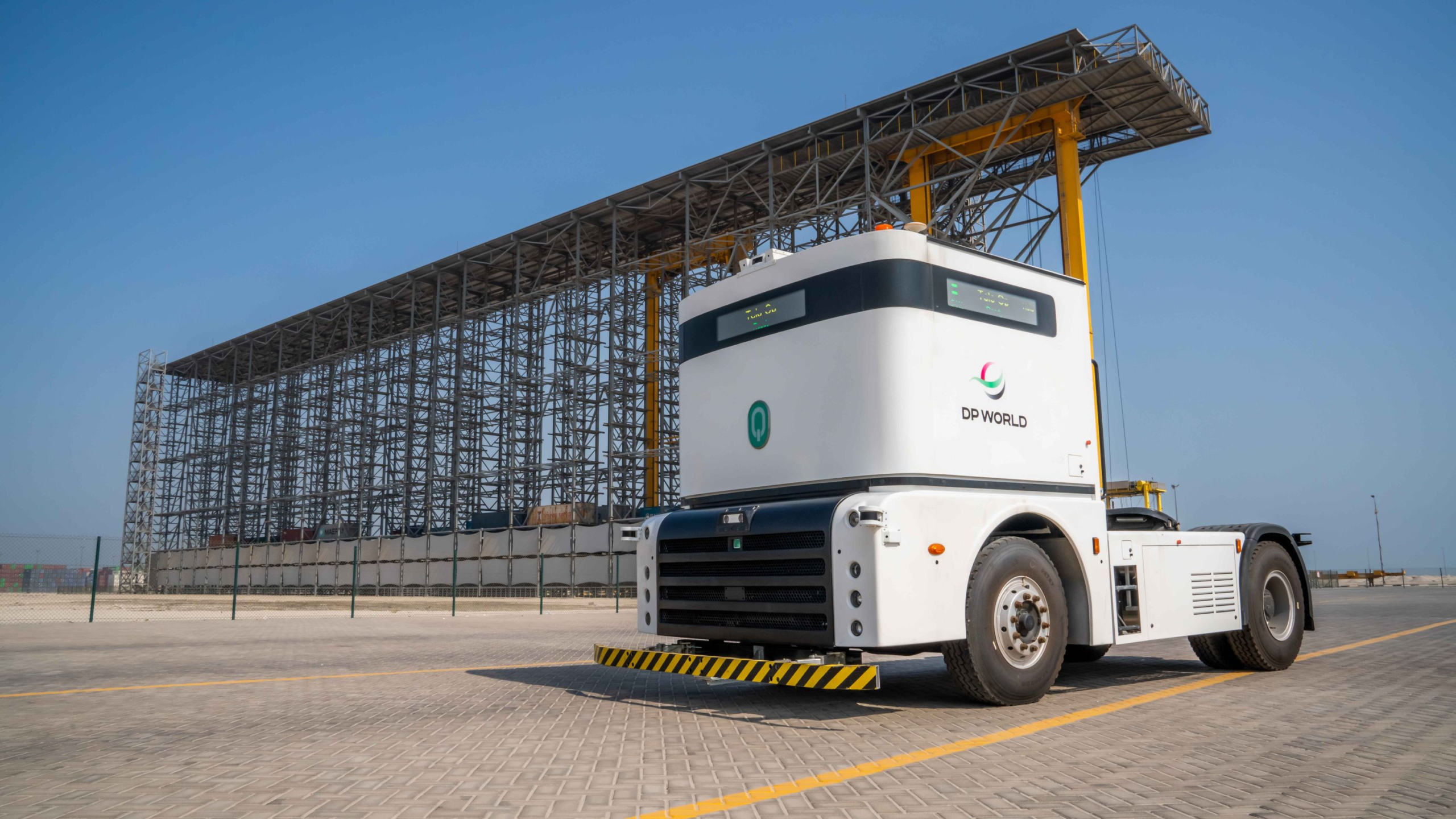
With the conference now less than six weeks away, sponsors including DP World and Kuehne+Nagel are expected to use Vienna to outline network investments and service updates across healthcare freight, warehousing, and controlled distribution. A welcome reception is scheduled for 13 April, ahead of the main programme running 14–16 April.