IN Brief:
- Low Rhine levels are restricting bulk cargo movements through one of Germany's principal industrial freight corridors.
- Chemical, steel, agriculture, and energy businesses are shifting loads towards road and rail as barge capacity falls.
- Alternative modes can absorb critical shipments, but available capacity is insufficient to replace high-volume river freight directly.
Low water on the Rhine is beginning to restrict industrial freight across Germany, pushing manufacturers and commodity businesses towards rail and road as shallow sections of the river cut barge payloads and, on some movements, remove commercially usable capacity altogether.
The disruption is now being felt beyond barge operators. Chemical producers, steelmakers, agricultural traders, and energy businesses have reported higher transport costs, constrained deliveries, and production effects as the river becomes less dependable for the bulk flows on which many industrial sites were designed to rely.
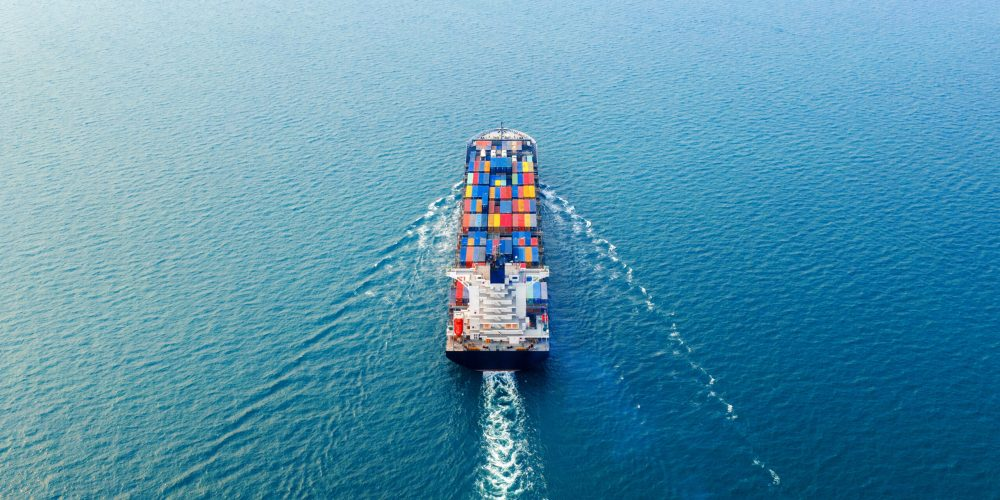
The Rhine links North Sea ports with manufacturing regions deep inside Germany and neighbouring markets, carrying fuels, chemicals, minerals, grain, construction materials, and other high-volume cargo. Its economic advantage comes from the amount of freight a single vessel can move with comparatively little road interaction.
Falling water levels erode that advantage quickly. Barges have to reduce draught by loading less cargo, so moving the same tonnage requires more vessels, more sailings, and more crew time. At sufficiently shallow points, the available payload becomes too small for a commercially sensible movement.
Kaub, on the Middle Rhine south of Koblenz, has become the critical pinch point. Shipping organisations have warned that levels there could fall far enough to make commercial cargo movements impossible through the section, effectively separating traffic on the northern and southern parts of the river.
Other waterways remain usable, including routes between Amsterdam, Rotterdam, Antwerp, the northern German Rhine, and western canal networks, while sections further south can continue operating independently. The problem is the loss of an uninterrupted corridor connecting those networks.
Industrial users are already switching what they can. Salzgitter has moved coal from Rotterdam to its HKM steel operation by rail, while agricultural trader RWZ has redirected freight towards road transport as river volumes fall sharply below normal seasonal levels.
Chemical production has also been affected. Covestro has declared force majeure on certain products because alternative transport cannot fully replace lost river capacity, while Evonik has reported reduced cargo availability affecting its Marl chemical complex.
Those responses expose the scale problem facing substitute modes. Germany has a substantial rail freight network and one of Europe’s largest road-haulage markets, but neither has enough spare locomotives, wagons, train paths, trucks, drivers, terminals, and loading capacity to absorb the Rhine’s normal tonnage at short notice.
For some construction materials, industry estimates suggest that replacing a single barge payload can require as many as 150 trucks. That adds fuel, labour, loading activity, road congestion, and driver-hours before the underlying cargo has moved any further than it would have by water.
Rail provides much higher unit capacity than road, but its spare capacity is constrained by infrastructure and scheduling. An industrial plant needs access to suitable sidings or terminals, operators need compatible wagons and locomotives, and train paths have to be available through a network that already carries passenger and freight traffic.
Several German states have relaxed Sunday truck restrictions to create more flexibility while river transport is constrained. The measure can make additional driving hours legally available, but it does not create vehicles or drivers, nor does it expand loading points at plants built around barge deliveries.
Low Rhine conditions had already appeared on logistics operators’ risk lists earlier this month, when the impact was still manageable through lighter loads and contingency planning. The latest deterioration changes the operating question from how much extra a movement will cost to whether enough transport can be secured at all.
German industry has encountered the same vulnerability before. The 2018 drought disrupted chemicals, fuels, and other industrial supply chains, prompting some businesses to increase inventories, secure alternative transport, and support the development of lower-draught vessels.
Those measures improve resilience without removing the river’s physical limits. A specially designed vessel can continue operating in shallower water than conventional tonnage, but its payload still falls as the available channel depth shrinks.
Inventory also buys time rather than capacity. Plants holding larger stocks can continue operating while logistics teams find alternatives, whereas sites using lean replenishment are exposed earlier when feedstocks or fuel fail to arrive.
The cost spreads beyond freight invoices once disruption becomes prolonged. More expensive road and rail movements increase delivered material prices, extra handling adds labour and equipment requirements, and production assets can lose utilisation if inbound supply falls below what a plant consumes.
Competition for substitute capacity then creates a second bottleneck. Chemical, steel, agricultural, energy, and construction businesses all draw from the same haulage and rail markets, so the price of contingency transport rises as more shippers attempt the same response.
The geography of German industry makes the problem harder to redesign quickly. Many plants developed beside the Rhine because bulk water transport offered an efficient connection to seaports, suppliers, and customers. Replacing that arrangement during a drought means forcing large volumes into infrastructure that was never intended to carry the full river flow.
The duration of the low-water period will decide whether the present disruption remains a costly logistics problem or develops into a wider production constraint. Short interruptions can be absorbed through stocks, lighter barge loads, and emergency transport; prolonged restrictions consume those buffers and make each alternative harder to secure.
For now, the pressure is spreading outward from the river into rail terminals, truck fleets, inventories, and plant schedules. The Rhine may be the visible bottleneck, but the industrial consequence is being determined by how much displaced freight the rest of Germany’s transport network can absorb before its own spare capacity runs out.