IN Brief:
- Orbbec has opened its RVMC Factory in Bac Ninh Province, Vietnam.
- The 100,000m² site will manufacture 3D vision sensors and smart hardware.
- The project strengthens supply capacity for robotics, warehouse automation, and intelligent logistics systems.
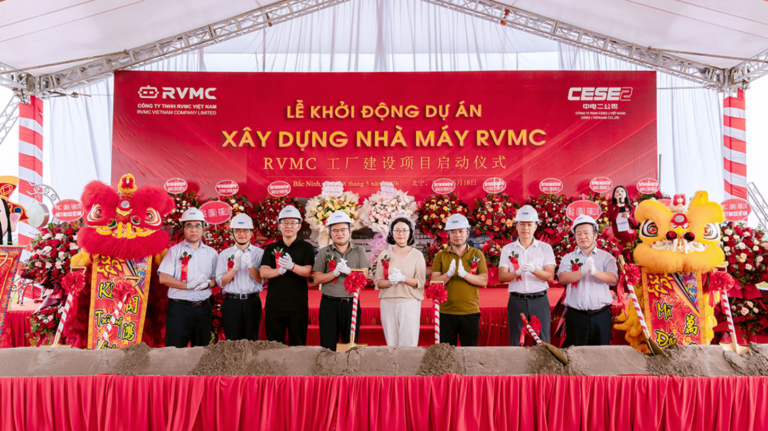
Orbbec has opened its RVMC Factory in Bac Ninh Province, Vietnam, adding overseas manufacturing capacity for 3D vision sensors and smart hardware used across robotics, automation, and intelligent terminal applications.
Located in the Thuan Thanh Industrial Zone, the facility forms part of the company’s wider global manufacturing strategy and is intended to improve delivery capability for customers using 3D vision technology in industrial, logistics, commercial, and robotics environments.
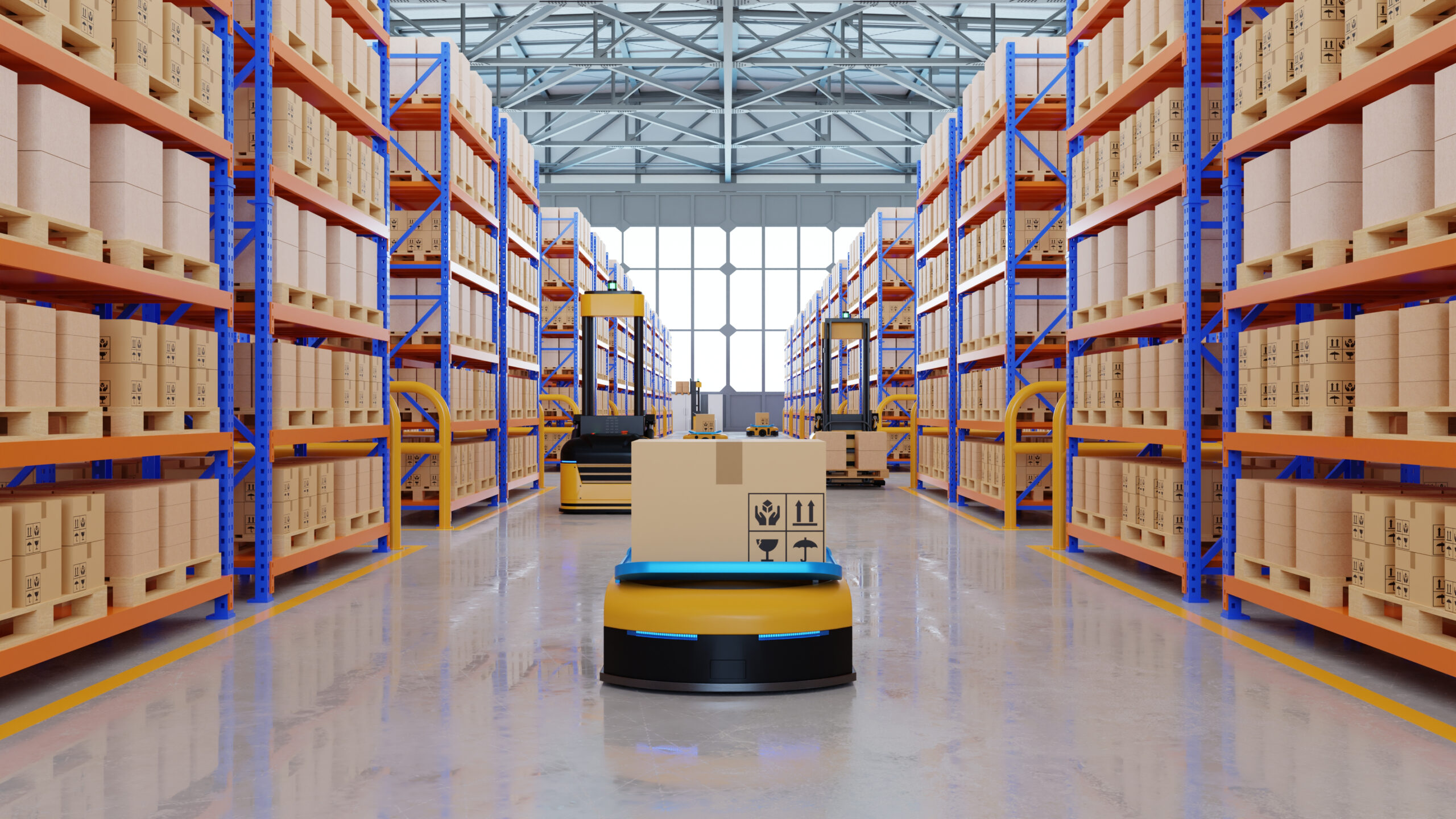
The factory covers around 100,000m² and will produce 3D camera modules, smart sensing hardware, and related devices. These systems are increasingly used in automated guided vehicles, autonomous mobile robots, parcel handling systems, goods-to-person systems, inspection equipment, and intelligent warehouse terminals.
As warehouse operators move from isolated automation projects towards larger multi-site programmes, the availability of reliable sensor hardware is becoming a practical constraint. Mobile robots and automated handling systems need consistent perception technology to navigate busy facilities, identify objects, avoid people and vehicles, and work safely in changing aisle conditions.
For Orbbec, the Vietnam site adds scale in a region that is becoming central to electronics and automation manufacturing. Bac Ninh has developed as a major production centre for high-value electronics and export-led manufacturing, supported by industrial parks, skilled labour, supplier networks, and links to logistics corridors serving northern Vietnam and southern China.
The investment also fits a wider shift in automation supply chains, as hardware manufacturers diversify production footprints across Asia. Cost pressure, tariff exposure, lead-time expectations, and customer demand for regional resilience are pushing sensor, robotics, and electronics suppliers to avoid over-reliance on a single manufacturing base.
Three-dimensional vision systems have moved well beyond specialist industrial projects. In warehouses, they support navigation, object detection, dimensioning, quality control, picking accuracy, and human-machine interaction. In manufacturing, the same technologies help inspect parts, monitor processes, and guide automated equipment in environments that are too variable for fixed sensing systems alone.
The same regional network logic can be seen in Asian feeder orders point to regional capacity shift, where new transport investment is being shaped by changing manufacturing and trade flows. Orbbec’s Vietnam factory sits inside that broader rebalancing, with production, warehousing, and freight capacity being reorganised around a more distributed Asian supply base.
Warehouse automation is also becoming more dependent on the sensor layer. A robot fleet can only deliver consistent throughput if it understands its surroundings, handles exceptions, and continues operating around people, forklifts, pallets, totes, conveyors, and temporary obstructions. The software stack receives much of the attention, but perception hardware determines how reliably automation performs on the floor.
The move from pilot projects to repeatable deployment places greater pressure on suppliers to provide standardised hardware at volume. Robotics integrators and warehouse operators need components that can be delivered consistently, supported globally, and integrated into existing control systems without creating bottlenecks of their own.
Orbbec’s RVMC Factory gives the company a larger production platform at a point when 3D vision is becoming part of mainstream logistics infrastructure. As warehouses continue to automate, the question is shifting from whether perception technology will be used to how quickly hardware supply, software integration, and operational discipline can be aligned at industrial scale.