IN Brief:
- POCO has gone live with Infios Warehouse Management at its Trebbin logistics centre.
- The project is the first stage in a seven-site programme across the retailer’s German logistics network.
- The deployment supports standardised warehouse processes, automation interfaces, and future slotting and yard management.
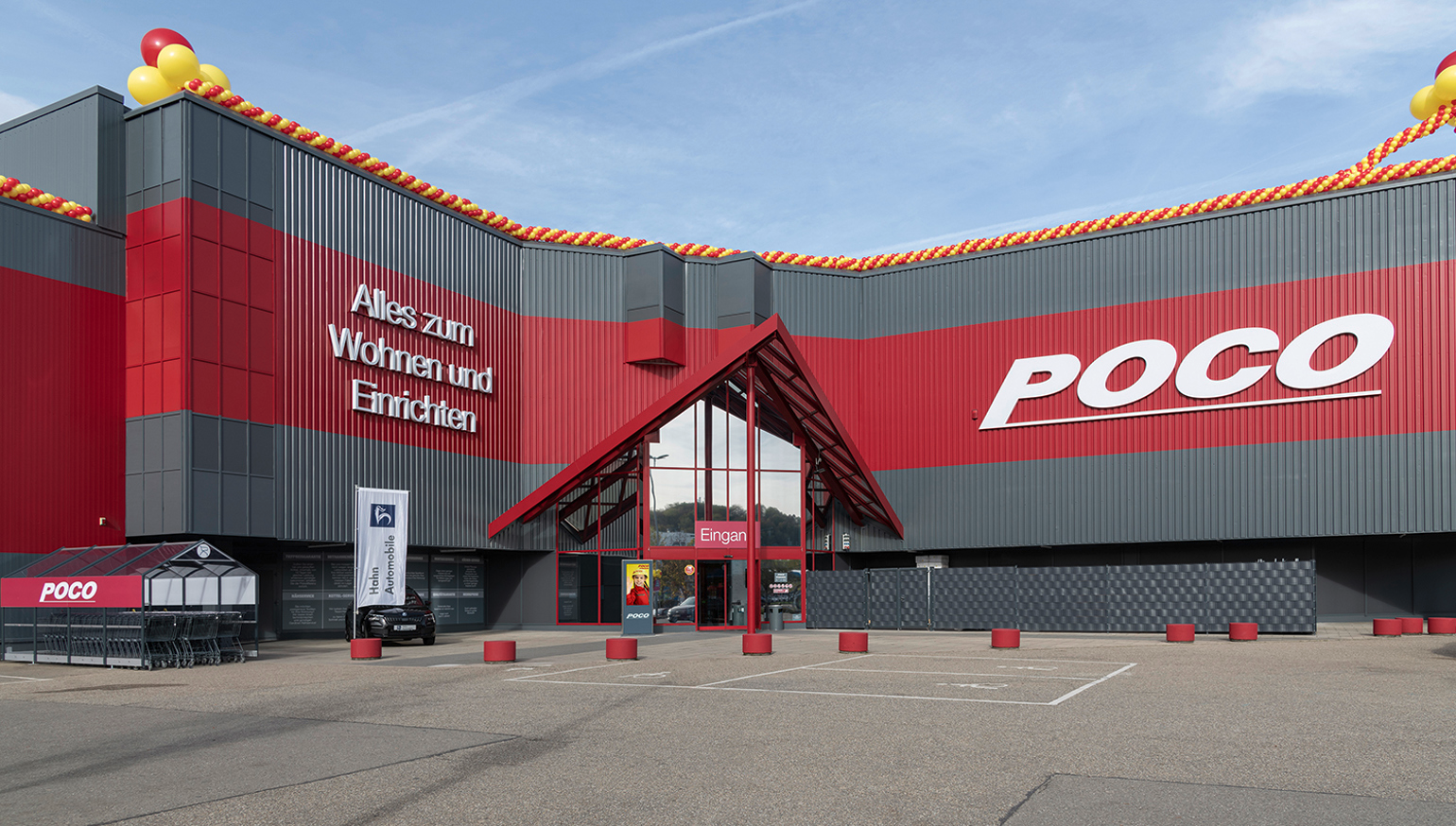
POCO has begun a nationwide warehouse execution modernisation programme in Germany with the launch of Infios Warehouse Management at its Trebbin logistics centre.
The retailer, one of Germany’s largest furniture and home improvement discounters, is using the Trebbin site as the first stage in a seven-site rollout. A second location is scheduled to follow in 2026, with the remaining sites expected to adopt the templates and configurations developed during the early phases of the programme.
POCO operates 127 stores, an e-commerce channel, a central goods-receiving warehouse, regional distribution centres, and an automated e-commerce fulfilment centre. Its logistics network handles bulky and heavy products, variable package formats, multi-package orders, and item-level transparency across components, finished goods, and store replenishment flows.
The company has outgrown legacy ERP-based warehouse modules and is moving toward a best-of-breed architecture that separates warehouse execution from broader enterprise planning. Infios Warehouse Management will support standardised core processes, common workflows, labour processes, and automation interfaces across the logistics estate.
The deployment can also be extended with Infios Slotting and Infios Yard Management, giving POCO a route toward tighter control of product placement, yard activity, inbound movement, and dispatch coordination as the network standardises.
Furniture and home improvement logistics create different warehouse pressures from grocery, fashion, or parcel fulfilment. SKUs can be heavy, awkward, fragile, or split across multiple packages. Store replenishment and customer orders may involve product combinations that require accurate component tracking and reliable consolidation before dispatch.
Warehouse execution systems have become central to retail resilience in these categories. Poor inventory visibility or inconsistent site processes can slow picking, increase labour demand, complicate loading, and create customer service issues when orders are incomplete or delayed. Standardised WMS processes create a repeatable operating model while allowing local configuration for differences in site layout and product mix.
The move also reflects a broader shift in retail supply chain technology away from monolithic ERP extensions and toward specialised execution layers. Retailers are keeping enterprise systems stable while adding dedicated tools for warehouse, yard, labour, transport, and automation orchestration.
That architecture is becoming more valuable as e-commerce, store replenishment, and returns increasingly draw from shared inventory pools. Warehouse systems must manage the physical reality of goods movement while maintaining the data accuracy needed for online availability, store planning, and customer commitments.
POCO’s Trebbin launch gives the retailer a controlled starting point for a wider operational reset. The strength of the programme will depend on how well common processes can be repeated across the network without ignoring the operational variability that makes furniture and home improvement logistics difficult.