IN Brief:
- The Oranienburg site is a primary fresh and chilled supply hub for REWE’s Berlin region estate.
- Cimcorp’s robotic order-picking and warehouse control software automate inbound-to-dispatch crate handling.
- FEFO/FIFO storage logic, redundancy, and GS1-based traceability target faster, cleaner fresh replenishment.
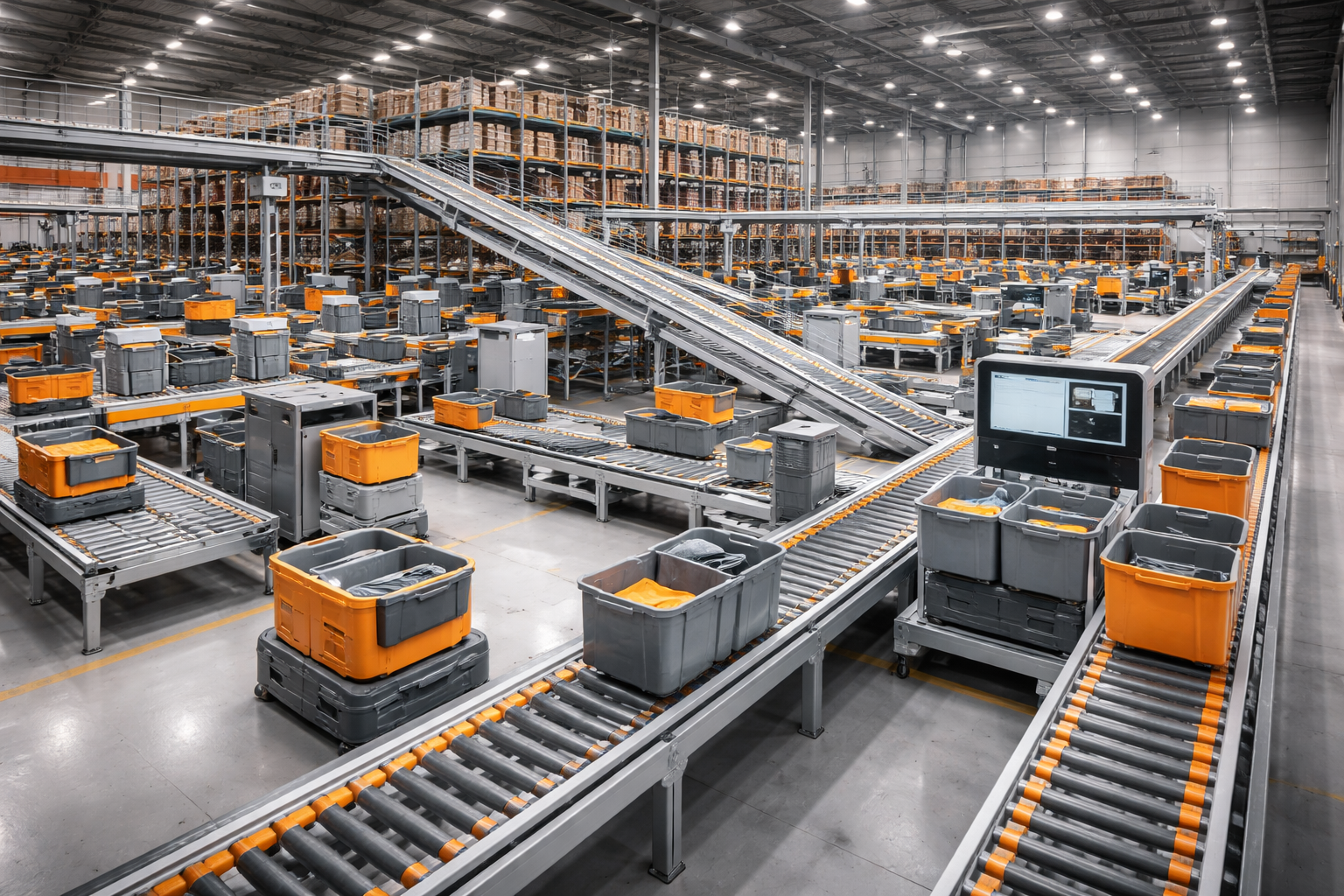
REWE has commissioned a high-throughput automated fulfilment centre for fresh produce in Oranienburg, around 50 kilometres north of Berlin, as it pushes more of its fruit and vegetable handling into controlled, software-orchestrated flows. The installation is designed to supply more than 370 supermarkets and around 580 stores across the wider Berlin region, with daily processing quoted at about 29,000 reusable plastic crates.
The retailer’s Oranienburg logistics operation sits in a high-pressure delivery environment where fresh windows are narrow and store-level plans are unforgiving. “In Berlin, timing is everything. Missing the delivery window means a significant financial loss. For us, reliability is our daily reality,” said Matthias Menzel, General Manager at REWE’s Oranienburg Logistics Center.
On the inbound side, produce arrives on standardised Euro pallets and is registered and scanned before entering automated handling. Manual unwrapping and quality checks remain part of the intake process, with compliant goods then moving into robotic depalletising, buffering, and storage. Inventory logic is split between FIFO (first in, first out) and FEFO (first expired, first out), reflecting the mixed realities of seasonal produce, short-life SKUs, and the need to prioritise date-sensitive lines without slowing overall throughput.
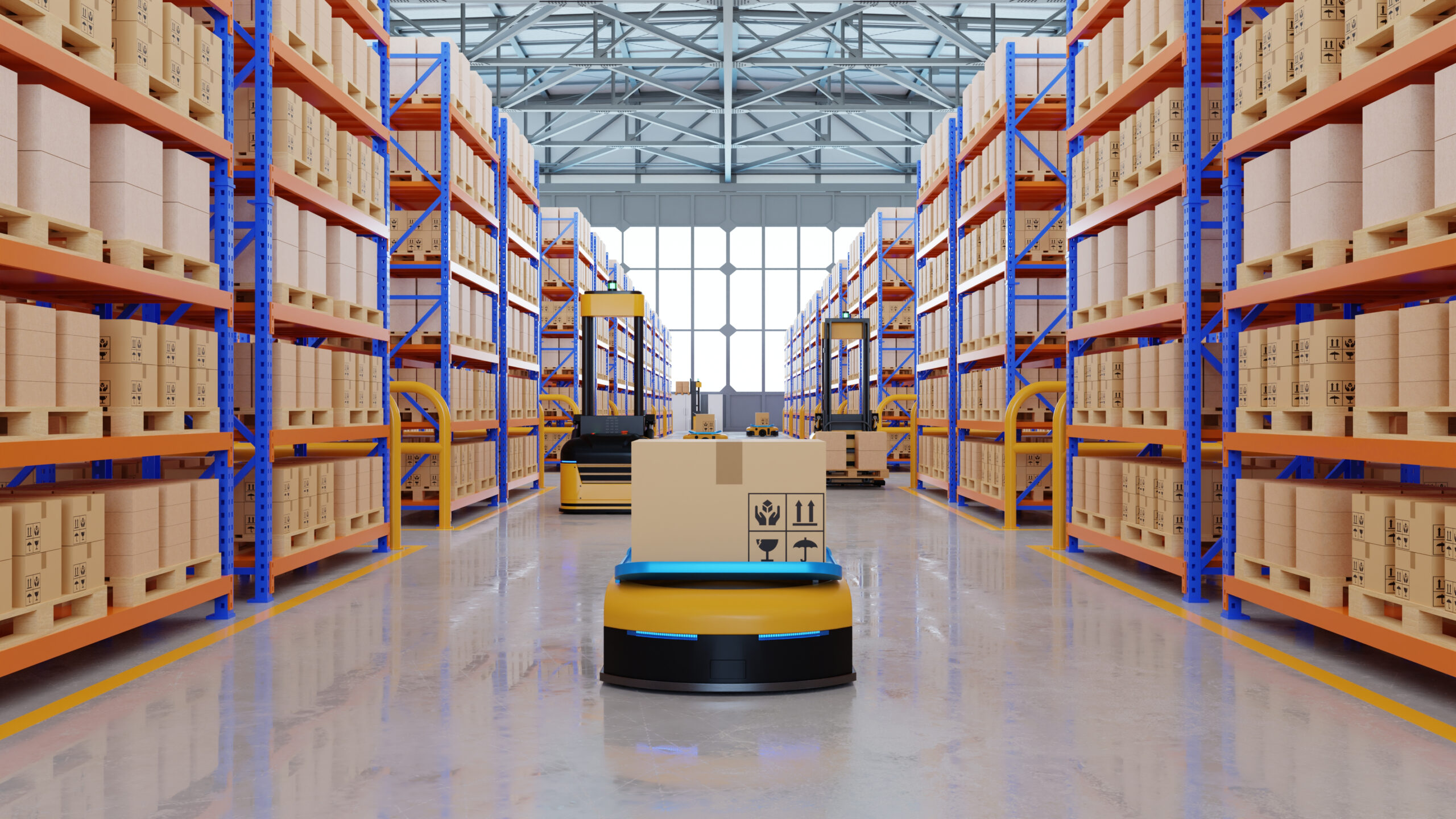
System control sits with Cimcorp’s Warehouse Control System, which is responsible for the integration of robotics, conveyors, and inventory management into a single execution layer. That includes workload balancing across robot cells, as well as the coordination of outbound pallet building and dispatch. The design also includes redundancy — dual robot cells and transfer cars — intended to maintain operation through isolated outages without forcing a full stop on fresh picking.
Each reusable plastic crate, pallet, and SKU is scanned and tracked, with movements and events logged into the WCS database, and pallet handling aligned to GS1 barcode standards. Beyond compliance, that level of granularity is built for day-to-day exception management — identifying where delays originate, isolating mismatches between inbound labels and storage status, and supporting faster response if a recall or quality incident hits an individual supplier line.
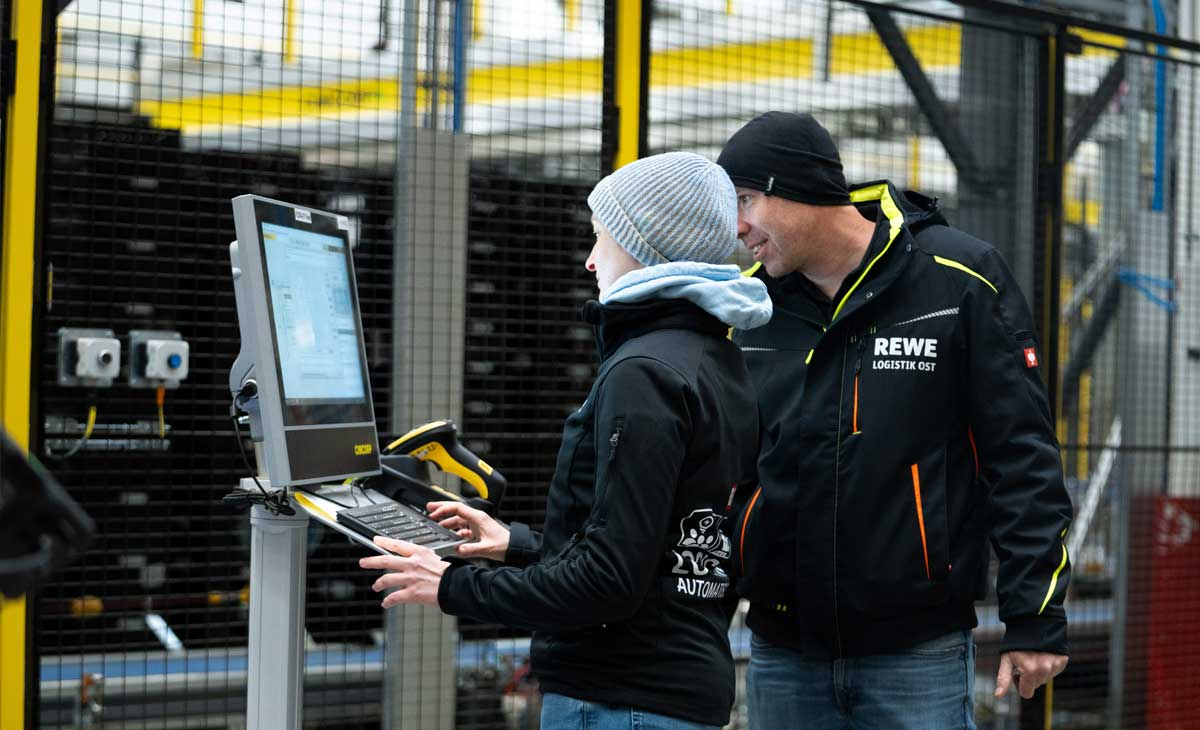
REWE has previously pointed to the physical intensity of produce handling, where manual picking involves repeated heavy lifts and high stacking, and where recruitment and retention are increasingly difficult. The automation model shifts work away from repetitive picking towards system oversight, process management, and quality checks, with roles structured around control devices and exception handling rather than manual throughput.
Cimcorp, part of Murata Machinery, has positioned the Oranienburg installation as a blueprint for fresh logistics automation under real-world retail constraints. For REWE, the operational test will be whether the system’s control layer delivers the promised mix of high availability, lower error rates, and tighter freshness lead times through peak trading periods, not just in steady-state conditions.