IN Brief:
- StormGeo completed its acquisition of Copenhagen-based Portchain on 30 October 2026; the purchase price was not disclosed.
- Portchain Connect exchanges schedules and cargo volumes, while Portchain Quay supports berth, crane, and workforce planning.
- The companies intend to link expected berthing time with voyage speed decisions; Portchain will operate independently for several years.
StormGeo, the weather and voyage intelligence business owned by Alfa Laval, has acquired Copenhagen-based Portchain in a transaction completed on 30 October 2026. The purchase adds software for coordinating ship arrivals and terminal resources to StormGeo’s existing maritime voyage optimisation services, with the companies planning to connect changes in berth availability to decisions made while vessels remain at sea.
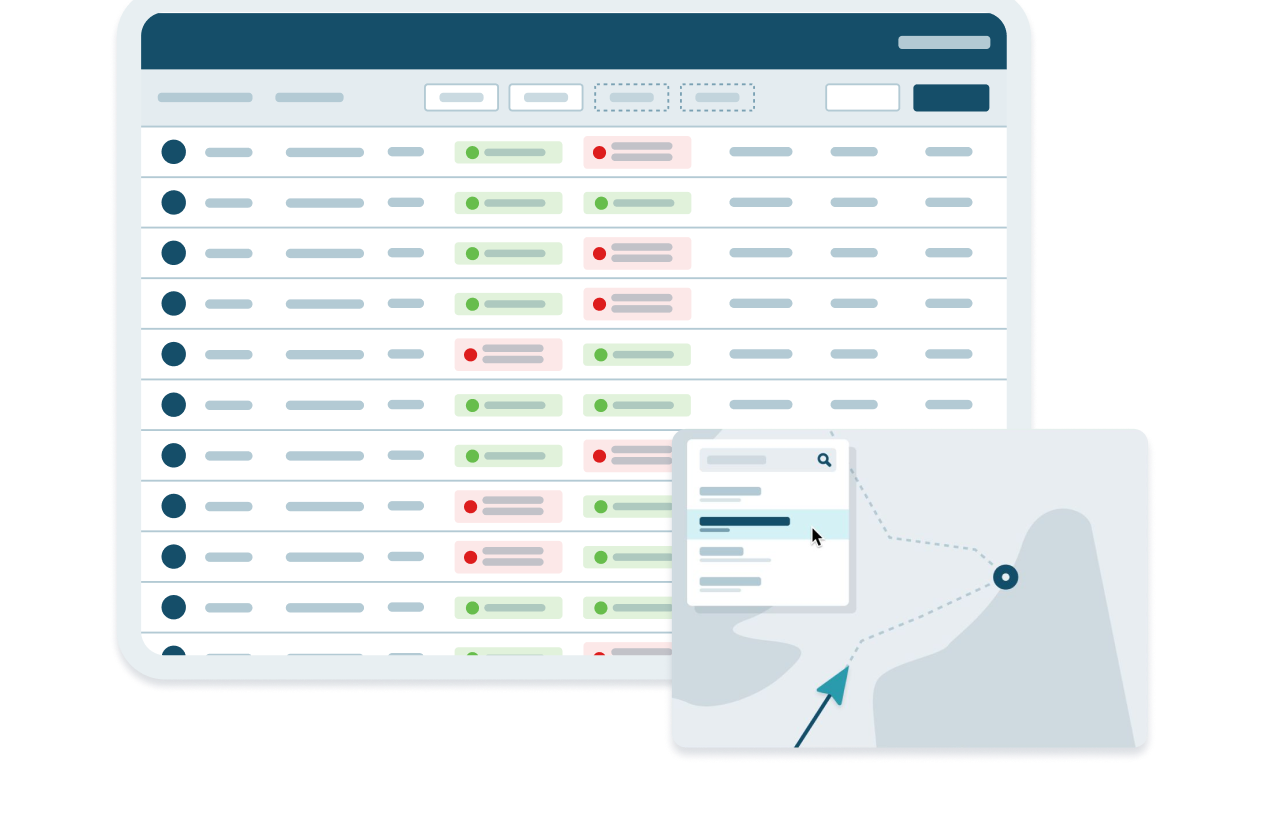
Portchain operates digital services linking container lines and terminal operators. Its Portchain Connect product supports the exchange and alignment of vessel schedules and cargo-volume information. Portchain Quay provides a shared operating environment for berth allocation and planning the cranes and workforce needed to handle ships. Together, these functions connect the expected arrival of a vessel with the terminal’s ability to receive and work it.
StormGeo already advises ship operators on route selection, speed, weather conditions, and vessel performance. Portchain’s terminal information adds a different input to those calculations: when a berth and the associated cargo-handling resources are expected to be ready. The proposed connection would allow a changed terminal plan to influence the remaining sea passage before the vessel commits to an arrival time.
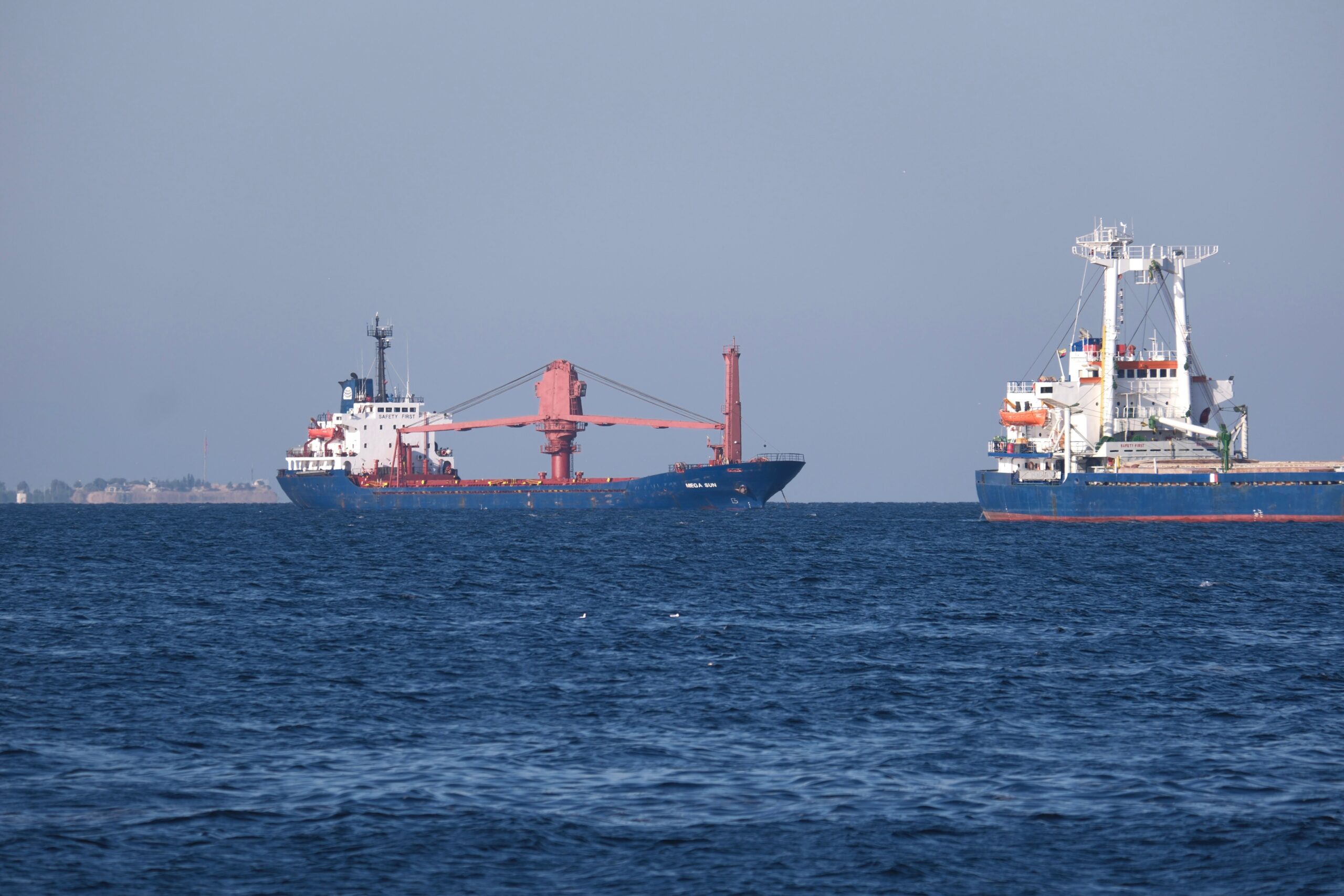
A vessel can reach a port before its allocated berth becomes available, leaving it waiting offshore after completing the passage at its chosen speed. The estimated time of arrival (ETA) therefore differs from the estimated time of berthing (ETB). The amount of time between them depends on berth availability, other ships, and the terminal’s ability to receive and work the arriving vessel.
When a terminal revises its expected berthing time, the carrier may be able to adjust the vessel’s speed while it is still at sea. A lower speed can reduce propulsion energy demand on some passages and help the vessel arrive closer to the usable berth window. The outcome depends on remaining distance, weather, safe-navigation requirements, vessel characteristics, and any contractual or operational limits on slowing down.
Under the intended workflow, berth information from Portchain would inform voyage planning in StormGeo systems, and an updated ETA could be communicated back to the terminal. Planners could then coordinate cranes, workforce, and berth allocation against a more realistic arrival sequence. The aim is to make the sea passage and cargo-handling plan responsive to the same change rather than having either side rely on an outdated time.
This coordination relies on the quality and timeliness of operational data. A berth allocation may change because another vessel is delayed, cargo operations run longer than forecast, or local conditions disrupt access. Even where the information is exchanged promptly, a ship may not be free to alter its speed substantially because of pilot bookings, narrow arrival windows, contractual commitments, or other restrictions on its voyage.
Portchain’s existing network connects shipping lines with more than 200 terminals representing over 40 per cent of global container terminal capacity, according to the company. That installed reach provides a basis for sharing scheduling information, but the acquisition itself does not establish how many terminals or voyages already use combined StormGeo–Portchain speed guidance. The stated ambition is to develop that connection across the two services.
Portchain will continue operating as an independent company within StormGeo for the next few years before being fully integrated into its portfolio. Existing customers are expected to retain continuity of service, while StormGeo says the combined offering will be available through its business. A detailed product-by-product delivery schedule and measured fuel savings attributable to the combination have not been published.
The purchase brings terminal planning software into Alfa Laval’s maritime digital business, alongside StormGeo’s established weather and routing capabilities. Portchain’s network is concentrated on container shipping and terminal operators, where berth allocations and crane plans must accommodate vessels with different cargo volumes. The companies have not disclosed the acquisition consideration.
Kim Hedegaard Sørensen, Business Unit President at StormGeo, identified the link between weather, voyage, and port information as the goal of the transaction. Niels Kristiansen, Portchain’s chief executive, described closer coordination between voyage optimisation and port-call planning. Their integration plans extend an existing network of terminal and carrier users rather than replacing Portchain’s products immediately.
Berth allocation must account for expected vessel arrival, cargo exchange volumes, crane availability, and workforce shifts. A revised ETA can improve those allocations if it reaches terminal planners promptly and is reliable enough for scheduling decisions. The same terminal may then adjust its resources for several overlapping calls, while carriers consider whether a change in speed can avoid unnecessary waiting.
The combined business can bring two planning horizons into the same operating loop: sea passage decisions made hours or days before arrival, and terminal resources committed around the berth window. Changes in the latter can be acted upon earlier if the carrier receives usable information while there is still enough voyage time to adjust. Portchain’s separate operation during the transition means the benefits will depend on the interoperability of the systems and actual adoption by users.
The practical next step is to turn changes in terminal berth plans into speed and arrival advice that navigators can use during a voyage. That will require dependable information exchange between carriers and terminals while existing Portchain services continue. Evidence of reduced waiting, fuel use, or emissions will emerge from deployments of the integrated workflow.