IN Brief:
- Asia-US container rates have climbed close to $9,000 on some East Coast routes as demand and disruption keep carrier surcharges in place.
- Congestion at major Asian hubs is adding friction to peak-season movements and reducing the practical value of available vessel capacity.
- The latest rate movement extends the freight-cost volatility already visible through Q2, with importers facing tighter planning windows.
Xeneta market data is showing another sharp rise in trans-Pacific container pricing, with Asia-US East Coast rates moving close to $9,000 per FEU as demand, disruption, and congestion combine to keep pressure on import supply chains.
The increase comes as shippers enter an awkward early peak season, with retailers and manufacturers balancing tariff uncertainty, frontloaded orders, and the risk premium created by renewed Middle East instability. Rates on the Asia-US West Coast have also remained elevated, supported by stronger-than-expected volumes and carrier surcharges that have held more firmly than many importers anticipated.
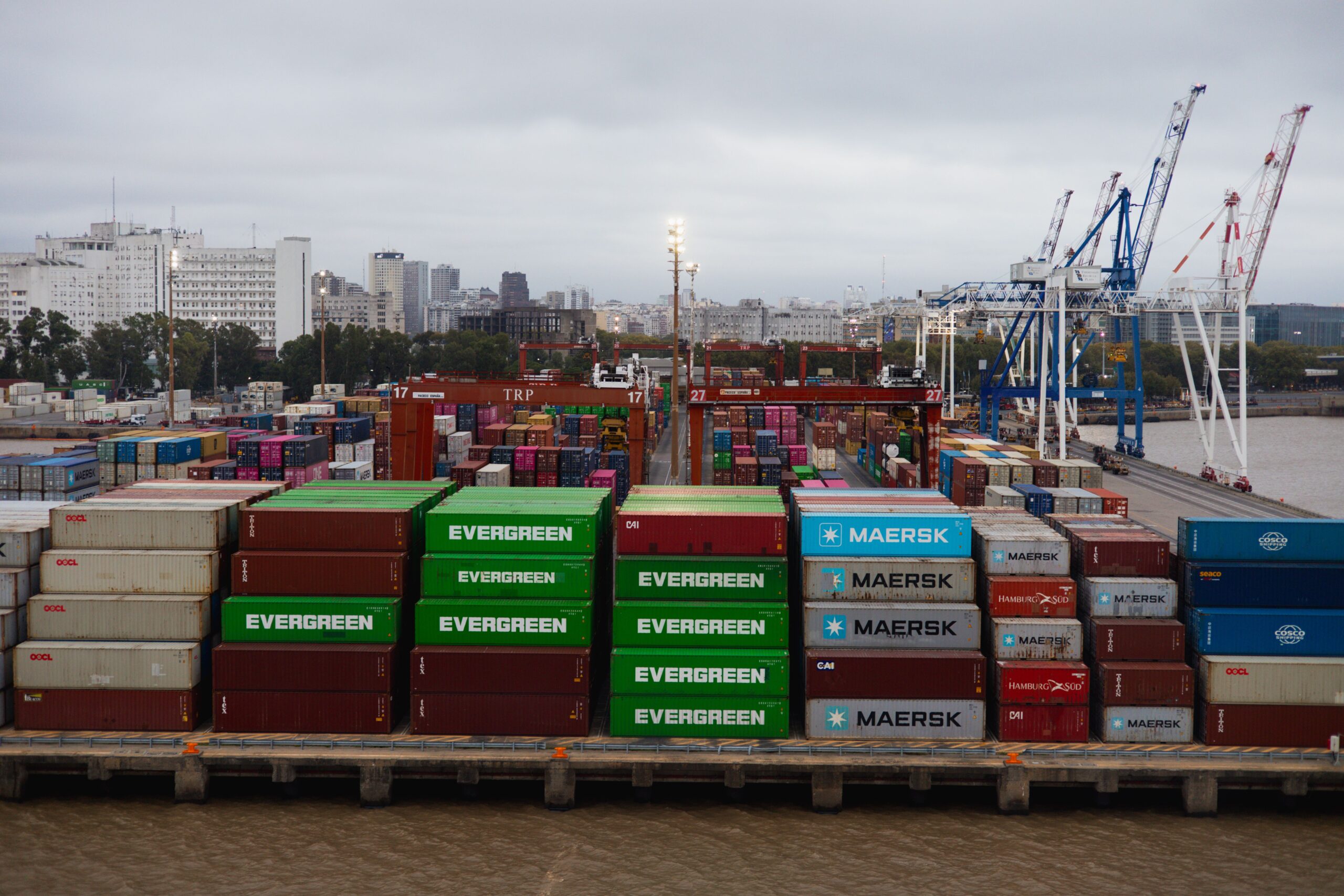
Behind the headline number, congestion across major Asian hubs is weakening schedule predictability before cargo even reaches the water. Shanghai, Ningbo, Yantian, Singapore, Busan, and Colombo have all been cited among pressure points, creating delays that reduce the effective value of available vessel capacity. A carrier may have nominal space on a service, but congestion, missed windows, and equipment imbalance can quickly change what is usable in practice.
The pattern fits the freight conditions set out in a Q2 review of supply chain volatility, where tariff deadlines, Gulf disruption, fuel exposure, and early peak-season behaviour were already pulling cost pressure forward. The latest rate movement suggests those pressures have not cleared. They have shifted further into landed-cost planning for the second half of the year.
Importers now face a more complicated question than whether spot rates have risen. The larger challenge is how long elevated pricing remains embedded in contract discussions, allocation decisions, and surcharge structures. Carriers have been able to maintain increases because demand has arrived early and because disruption has weakened confidence in normal schedule recovery. Once cargo owners begin booking ahead to avoid tariff changes or security-related delays, they can unintentionally support the pricing pressure they are trying to reduce.
Asia-US supply chains are especially exposed because the lane combines high-volume retail goods, components, seasonal inventory, and manufacturing inputs. A sudden rise in freight cost moves quickly through procurement, inventory, finance, and transport planning. Earlier shipment windows pull working capital forward. Higher ocean costs alter landed-cost calculations. Congestion erodes delivery certainty, while inland transport has to absorb uneven arrivals once boxes reach North American gateways.
Middle East instability does not need to close every trade route to influence trans-Pacific pricing. Freight markets price uncertainty through insurance, fuel, vessel deployment, schedule buffers, equipment positioning, and carrier behaviour. Even where cargo does not physically transit the most exposed waters, disruption elsewhere can alter the global container system that supplies the lane.
That system effect is now central to freight planning. A rate increase driven only by strong consumer demand would be easier to model. A rate increase driven by demand, tariffs, congestion, energy risk, and conflict is harder to unwind, because each pressure has a different cycle. Carriers may remove some surcharges if demand softens, but congestion and security risk can keep a floor under pricing even when volumes ease.
Contract strategies are also becoming harder to separate from inventory policy. Importers that treat freight buying, purchase-order timing, and stock allocation as separate functions are likely to find themselves reacting late to market movement. A more connected approach allows teams to decide which products justify premium space, which can move earlier, and which should be protected through contract cover or alternative gateways before spot rates become the only option.
The strongest mitigation sits in corridor discipline rather than short-term rate chasing. Contract freight, earlier supplier visibility, alternative gateways, more disciplined purchase-order timing, and clearer inventory segmentation all reduce dependence on last-minute spot-market exposure. The logic was visible in recent retail freight cost planning, where contract cover helped absorb market volatility before it hit margins.
The $9,000 figure is striking, but the operational signal is broader. Container pricing is now transmitting disruption from several directions at once, and the effects are landing across procurement, warehousing, cash flow, and customer service. A single box rate has become a compressed measure of risk across the global trading system.