IN Brief:
- Maersk says Mediterranean and North European hubs remain under pressure after weeks of weather disruption, with high yard density and longer import dwell times.
- Rail flows between Spain and France have resumed, but terminals are still urging rapid import collection and greater use of inland transport options.
- Sea-air routes through Middle East hubs are also facing extra risk as regional airspace restrictions add another variable to European lead times.
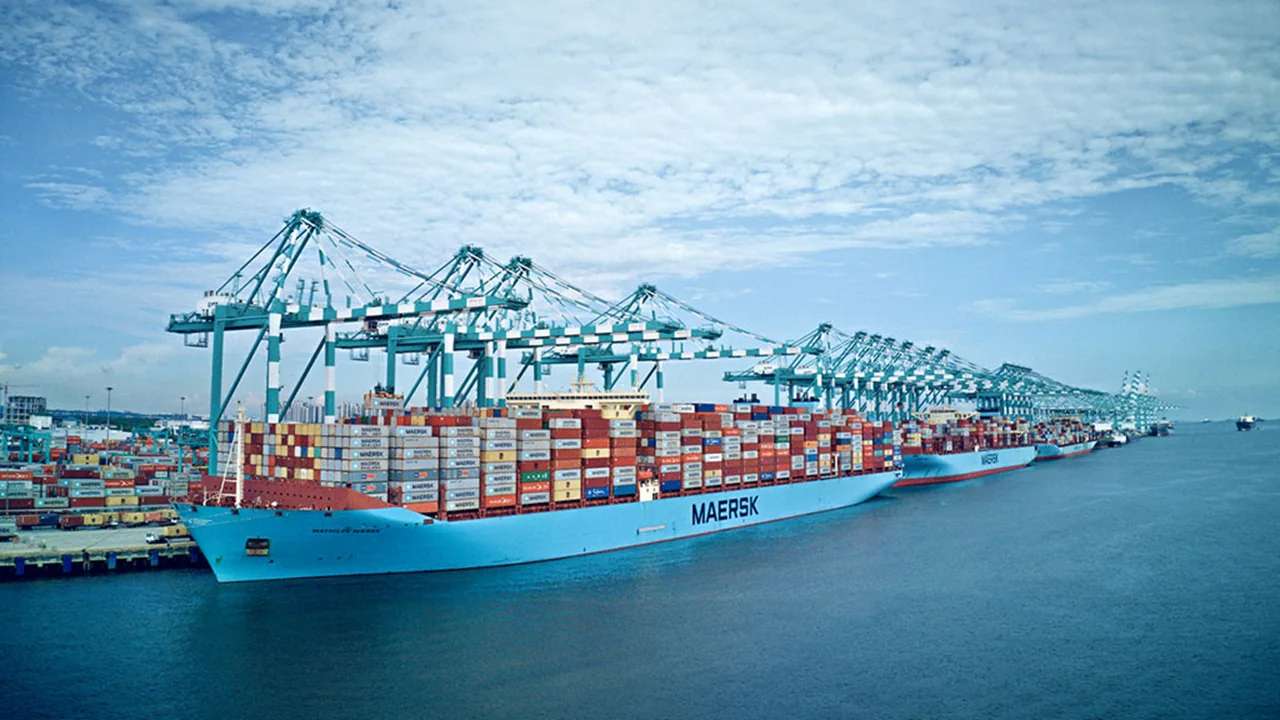
Maersk has warned customers across Europe to expect continued disruption in both ocean and inland logistics, with terminals in the Mediterranean and North Europe still struggling to recover from weeks of bad weather and schedule instability. In its latest Europe market update, the carrier said yard density remains high across multiple hubs, while import dwell times have lengthened enough for operators to start directly urging customers to clear longstanding units.
That warning reflects more than a temporary slowdown. The congestion now showing up in terminal stacks is the residue of a longer disruption cycle that has dragged through late January and February. During that period, severe weather forced stoppages and reduced productivity across Western Mediterranean ports, with Algeciras and Tangier among the locations left under pressure as wind conditions cut crane productivity, vessel line-ups slipped, and Bay of Biscay crossings were repeatedly disrupted for safety reasons.
The inland picture is improving, but only in parts. Maersk said rail services between Spain and France resumed in both directions on 28 February, including links between Barcelona and Lyon and between Barcelona and Toulouse. The Toulouse depot has also reopened for bookings, giving shippers more room to restore inland routing options after a period in which disrupted port calls and slower hinterland access were starting to compound one another.
For warehouse operators and importers, the immediate problem is less about whether the weather has eased than whether container stock can be moved out of the terminals quickly enough to create operating room. Maersk has asked customers to collect import units as soon as possible after discharge and to clear older containers that are still occupying yard space. It is also pushing road, rail, and barge alternatives through its inland transport network where local bottlenecks can be bypassed.
There is also an airfreight angle that widens the risk beyond the quayside. Maersk said temporary airspace suspensions in countries including the UAE, Qatar, Bahrain, Kuwait, and Iraq are affecting routings and may extend lead times for sea-air cargo moving through those hubs. Ground handling, cargo acceptance, and onward transfer processes could also come under pressure where local restrictions or staff shortages develop.
Maersk expects performance to stabilise through the coming weeks as conditions continue to improve. Even so, the practical test will be how quickly terminals, truckers, depots, and consignees can work down the backlog already sitting in the system, because that is now the constraint shaping Europe’s logistics rhythm.