IN Brief:
- Röhlig Logistics has lifted controlled air freight capacity by up to three times on Europe–Oceania corridors hit by Middle East disruption.
- The response includes a dedicated Boeing 747 charter, extra commercial uplift, and rerouted services bypassing affected hubs.
- The move underlines how quickly regional conflict can force modal and routing changes for time-critical international freight.
Röhlig Logistics has expanded air freight capacity on Europe–Oceania lanes as disruption across the Middle East continues to unsettle normal cargo flows. The company says it has increased controlled capacity by up to three times, adding charter lift, extra commercial space, and alternative routings for customers shipping between Europe and Australia or New Zealand.
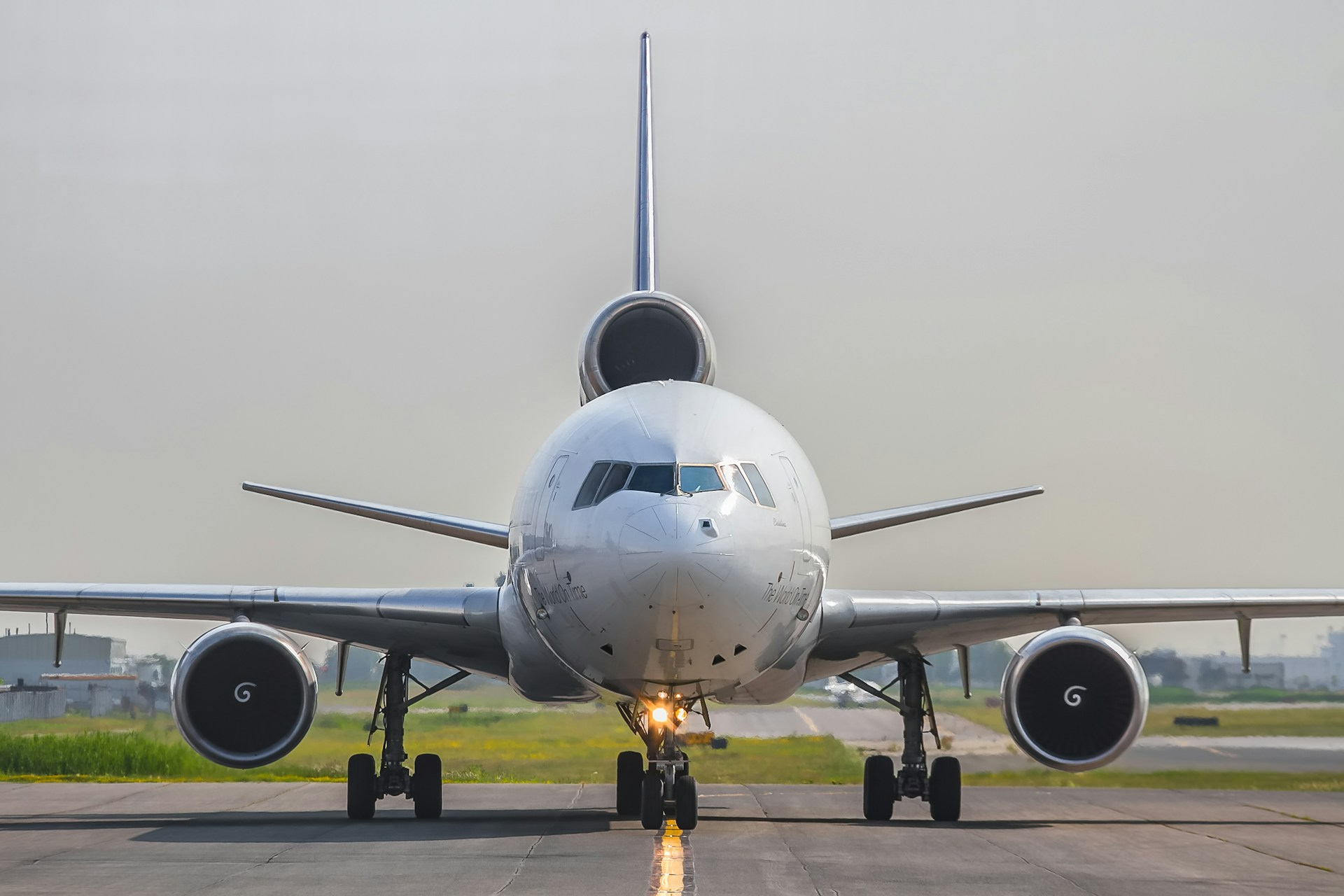
The immediate trigger is the weakening reliability of a corridor that has long depended on Middle Eastern gateway airports and regional connectivity. Röhlig says airport and airspace disruption, carrier suspensions, and wider uncertainty across the region are forcing shippers to rethink how urgent cargo is routed. Its response has included a dedicated Boeing 747 freighter to Sydney, adding more than 100 tonnes of capacity for oversized and time-critical shipments.
That charter was not a symbolic move. Röhlig says the aircraft carried around 110 tonnes of freight across 31 main deck positions and nine lower deck positions, with technical stops in Baku and Hong Kong before reaching Sydney. For customers moving industrial, project, or time-sensitive goods, that kind of contingency planning can mean the difference between maintaining supply continuity and losing several days to network congestion or cargo rollovers.
The wider lesson is that air freight resilience is increasingly about control rather than theoretical capacity. Space may still exist somewhere in the market, but securing the right uplift, on the right lane, with workable routings and dependable handling, is a different question. Röhlig is using that argument to position itself as a problem-solving forwarder on disrupted trade lanes, especially where cargo cannot wait for the sea market to absorb another detour.