IN Brief:
- Dexory is integrating high-power wireless charging and battery support into its next-generation warehouse robots through a partnership with Multipowr.
- The move is designed to extend robot operating time and support continuous data capture in live warehouse environments.
- Power architecture is becoming a more visible performance issue as robotic warehouse systems move from periodic scans to real-time operational intelligence.
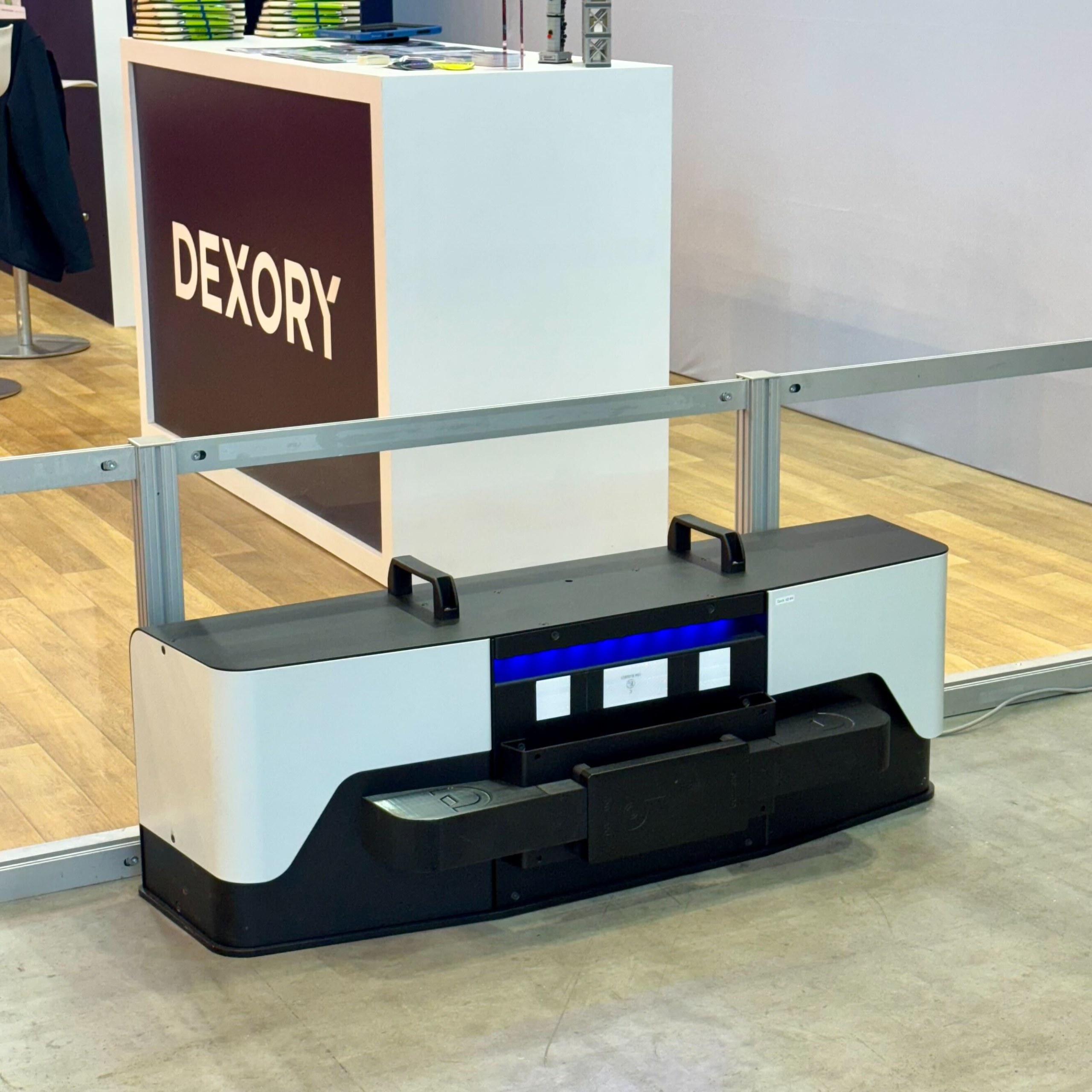
Dexory is moving to strengthen the uptime of its next-generation warehouse robots through a new partnership with Multipowr, which will supply high-power wireless charging and battery support technology for the company’s autonomous fleet. The agreement targets a basic but increasingly important issue in warehouse robotics: how to keep data-gathering machines running for longer, with less downtime and less operational friction.
Dexory’s timing is deliberate. The company launched its latest robot generation in February, extending scanning range to 60 feet from 40 feet and positioning the platform as a richer source of live warehouse intelligence through DexoryView and the new Storage Health inspection layer. As robots capture more data, across more storage formats and at higher frequency, the constraint shifts from sensing capability to sustained power availability.
That is where Multipowr comes in. The wireless charging system is designed to support a wide power range and multiple battery configurations, giving Dexory more flexibility across different fleet types, geographies, and site layouts. In practical terms, that should reduce dependence on fixed charging interruptions and support more continuous robot deployment in facilities where real-time visibility is becoming part of the operating model rather than a periodic audit exercise.
The warehouse robotics market often talks about autonomy in terms of software, perception, and analytics. Power management is less glamorous, but it shapes real utilisation rates. Dexory is effectively acknowledging that next-generation autonomy is not just about better scans or smarter AI. It also depends on making sure the machine can stay in service long enough for those tools to matter on the floor.