IN Brief:
- Exotec will automate MUSINSA’s new warehouse in Yeoju, South Korea, marking its first customer deployment in the Korean market.
- The project will use Skypod robots and Deepsky warehouse execution software to manage high SKU complexity and demand peaks.
- The deployment reflects growing investment in robotic fulfilment systems for fashion, retail, and omnichannel logistics.
Exotec will deploy its Skypod robotic warehouse system and Deepsky warehouse execution software for MUSINSA at a new automated warehouse in Yeoju, South Korea, as the fashion platform expands its logistics capability.
The project is Exotec’s first customer deployment in the Korean market and will support MUSINSA’s fast-growing fulfilment operations. MUSINSA manages a large and constantly changing product range, with hundreds of thousands of SKUs, seasonal launches, high-volume sales campaigns, and demand patterns that shift quickly across digital channels.
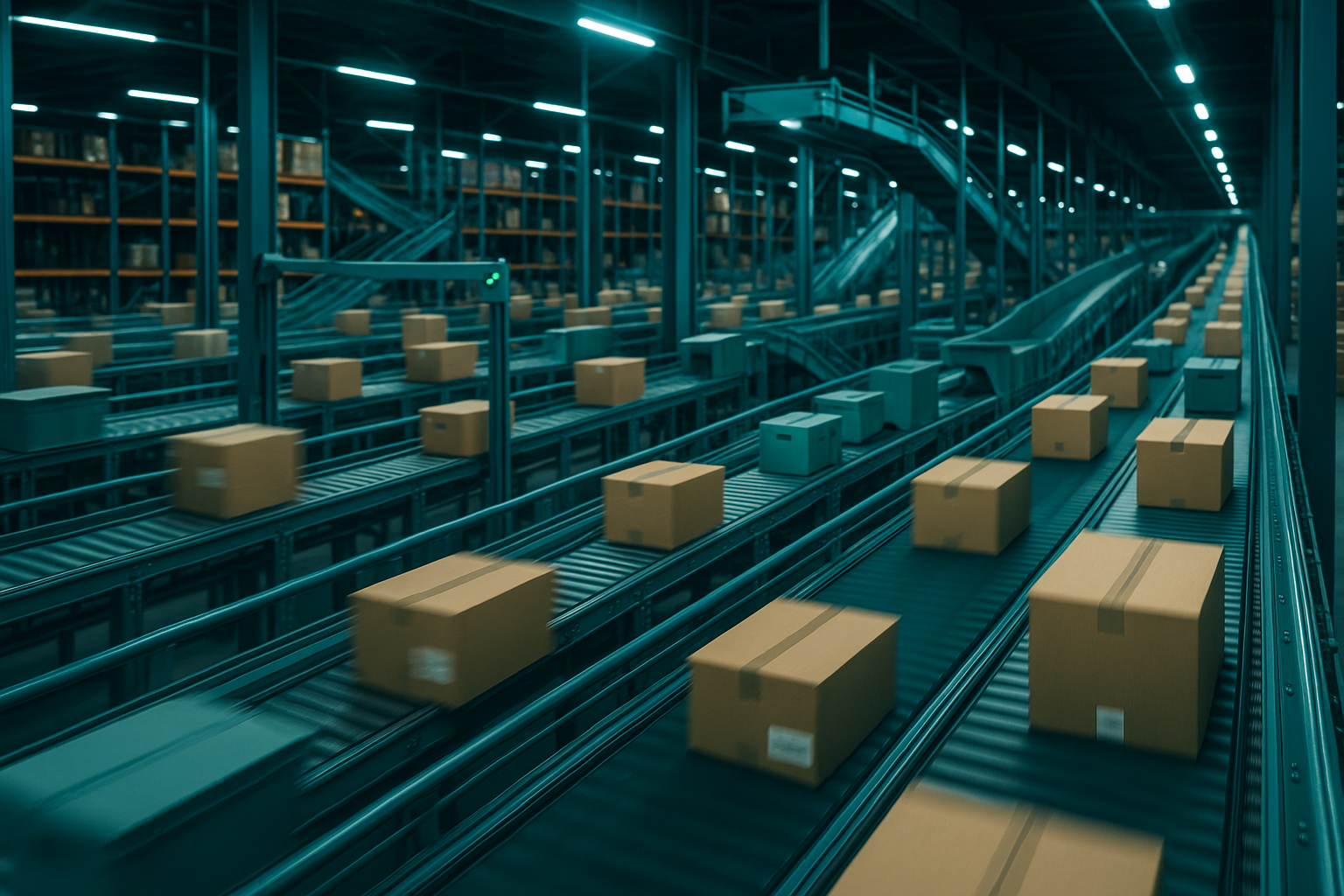
Exotec’s Skypod system uses mobile robots that travel between storage racks and picking stations. The robots can access inventory stored at height, with Exotec stating that racks can reach up to 14 metres and that any SKU can be reached in two minutes or less. The system is modular, allowing extra robots, stations, or storage capacity to be added as volumes increase.
Deepsky will provide the warehouse execution layer coordinating automation activity within the facility. In fashion logistics, where product ranges change quickly and returns can reshape available stock, execution software has to keep picking, replenishment, and inventory visibility aligned throughout the day.
Once deployed, MUSINSA expects the system to increase picking speed and throughput while improving inventory management and labour efficiency, particularly during peak seasons. The facility will give the retailer a more scalable logistics base as K-fashion demand continues to grow beyond South Korea.
Retail fulfilment has become one of the more demanding warehouse environments for automation. Fashion operations combine high SKU counts, irregular item dimensions, seasonal volatility, returns pressure, and sharp demand peaks driven by promotions or product launches. Traditional layouts can struggle with that combination because labour has to travel across dispersed inventory while supervisors track availability and order progress across fast-changing stock profiles.
Goods-to-person robotics have gained ground because they reduce walking time and concentrate picking activity at workstations. Labour productivity is part of the gain, although the larger operational benefit comes from tighter control over task sequencing, replenishment priorities, and fulfilment bottlenecks.
The MUSINSA deployment fits a wider move by retailers to absorb demand volatility without committing every aisle or zone to fixed infrastructure. Modular automation is particularly attractive where product ranges change quickly, as capacity can be adjusted without a full warehouse redesign.
Food logistics is following a similar path in different operating conditions, with M&S beginning construction of a £340m automated food logistics centre to improve capacity, availability, and network resilience. Fashion and food have different handling requirements, but both sectors are investing in automation to reduce operational friction between stock availability and customer demand.
The pressure is also moving beyond warehouse hardware. Retailers need systems that can coordinate with order management, returns, transport planning, and inventory allocation. A faster picking system is useful only if the surrounding software can prioritise work effectively and adapt when demand shifts.
That makes the pairing of Skypod robotics with Deepsky central to the MUSINSA project. The robots create the movement capacity, while the execution layer determines how that capacity is allocated minute by minute. In a retail environment shaped by product drops, promotions, returns, and service expectations, software becomes the discipline behind the automation.
Exotec now supports more than 200 customer sites worldwide, giving it a platform to transfer lessons from European and North American deployments into Asian retail logistics. The South Korean project gives MUSINSA a route to increase fulfilment capability while keeping the warehouse adaptable, a requirement that is becoming more important as retail supply chains move away from predictable replenishment cycles and toward demand-led execution.