IN Brief:
- M&S has begun construction on a £340m automated national distribution centre in Northamptonshire.
- The 1.3m sq ft food logistics facility is expected to open in 2029 and support more than 1,000 jobs.
- The project combines pallet cranes, shuttle systems, hands-free picking, solar, EV charging, and BREEAM Outstanding design.
Marks & Spencer has started construction on a £340m automated National Distribution Centre in Northamptonshire, marking the largest supply chain investment in the retailer’s food business.
The 1.3m sq ft facility is being developed at Daventry International Rail Freight Terminal and is scheduled to open in 2029. Once operational, it will serve more than 200 M&S Food stores and support over 1,000 jobs, forming a central part of the retailer’s plan to modernise its food logistics network and double the scale of the Food business.
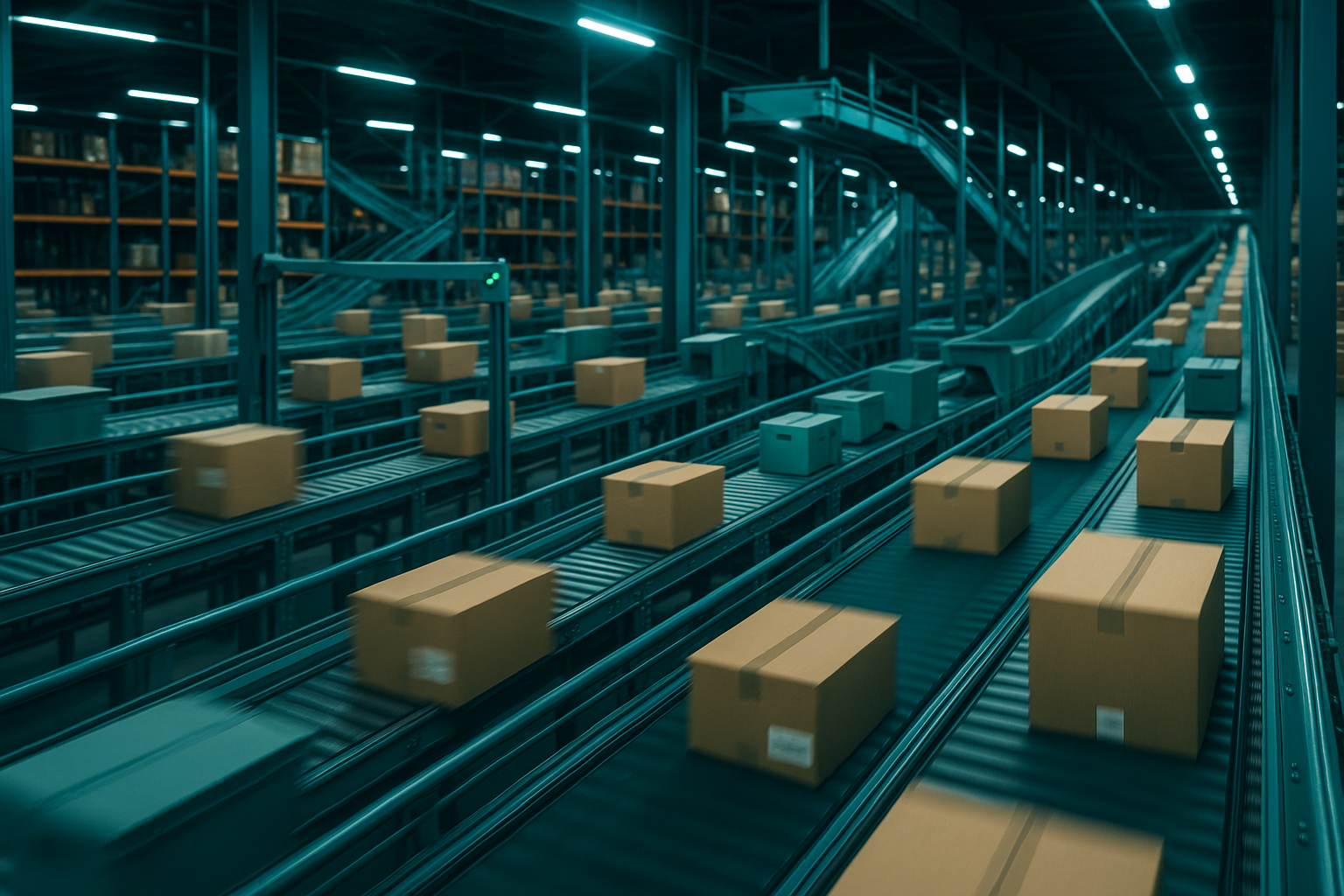
Automation will sit at the core of the operation. The site will include pallet cranes, high-speed shuttle systems, and hands-free picking, with the systems designed to increase capacity, improve stock availability, reduce long-term cost to serve, and simplify store replenishment.
Those targets are tightly connected in food logistics. Chilled and ambient supply chains depend on speed, stock rotation, accuracy, and reliable delivery windows. A system that improves picking speed but weakens inventory discipline will not deliver the required gains, while extra capacity that cannot support store-level availability will struggle to justify the capital cost.
The building is also being developed with a strong sustainability specification. M&S is targeting a BREEAM Outstanding rating and plans to include rooftop solar panels, rainwater harvesting, EV charging infrastructure, recycled construction materials, and vehicle maintenance facilities. The scheme therefore combines a logistics property investment, an automation project, and a lower-carbon operating model.
UK food retail supply chains are being pulled in several directions at once. Retailers need higher availability, lower handling cost, tighter waste control, and more frequent replenishment, while stores are expected to carry broader ranges and respond to local demand patterns. Automation can absorb some of that complexity, provided warehouse systems, forecasting, store operations, and transport planning are aligned.
DIRFT gives the project a strategic logistics position as well as physical scale. Its location within the UK’s national freight corridor provides access to established distribution infrastructure and intermodal potential, placing the NDC within one of the country’s most important logistics clusters. For a food network serving more than 200 stores, geography remains as important as technology inside the building.
The Northamptonshire investment follows the retailer’s separate conditional acquisition of ASOS’s former automated distribution centre in Lichfield. That Lichfield warehouse acquisition supports Fashion, Home, and Beauty fulfilment, while the new Daventry NDC is focused on the Food supply chain. The two projects show M&S rebuilding capacity around different operating profiles rather than applying a single automation model across the business.
Food logistics leaves little room for loose execution. Order cycles are shorter, temperature control matters, shelf life is limited, and availability failures appear quickly at store level. The case for automation therefore goes beyond labour substitution. Higher storage density, faster movement, and better sequencing need to reduce waste, improve fill rates, and support growth without creating manual workarounds elsewhere in the network.
The development also reflects a wider shift in UK logistics property. High-specification automated assets are increasingly being judged on operational fit, energy performance, and resilience rather than floor area alone. Retailers are reassessing network capacity after years of ecommerce volatility, cost inflation, and changing store demand, with food supply chains requiring a different balance from general merchandise fulfilment.
M&S is making a long-cycle infrastructure decision in a market that is unlikely to become simpler before 2029. Demand, technology, labour cost, energy pricing, and store formats may all move before the building is fully live. The alternative is trying to grow a modern food business on a logistics base designed for an earlier retail model.