IN Brief:
- UPS and Happy Returns have expanded the Return Bar network to 10,000 US drop-off locations.
- The latest growth adds more than 1,700 new points, with 79% of the US population now within five miles of a site.
- Reverse logistics is increasingly being built around consolidation, fraud control, and speed back into retailer inventory flows.
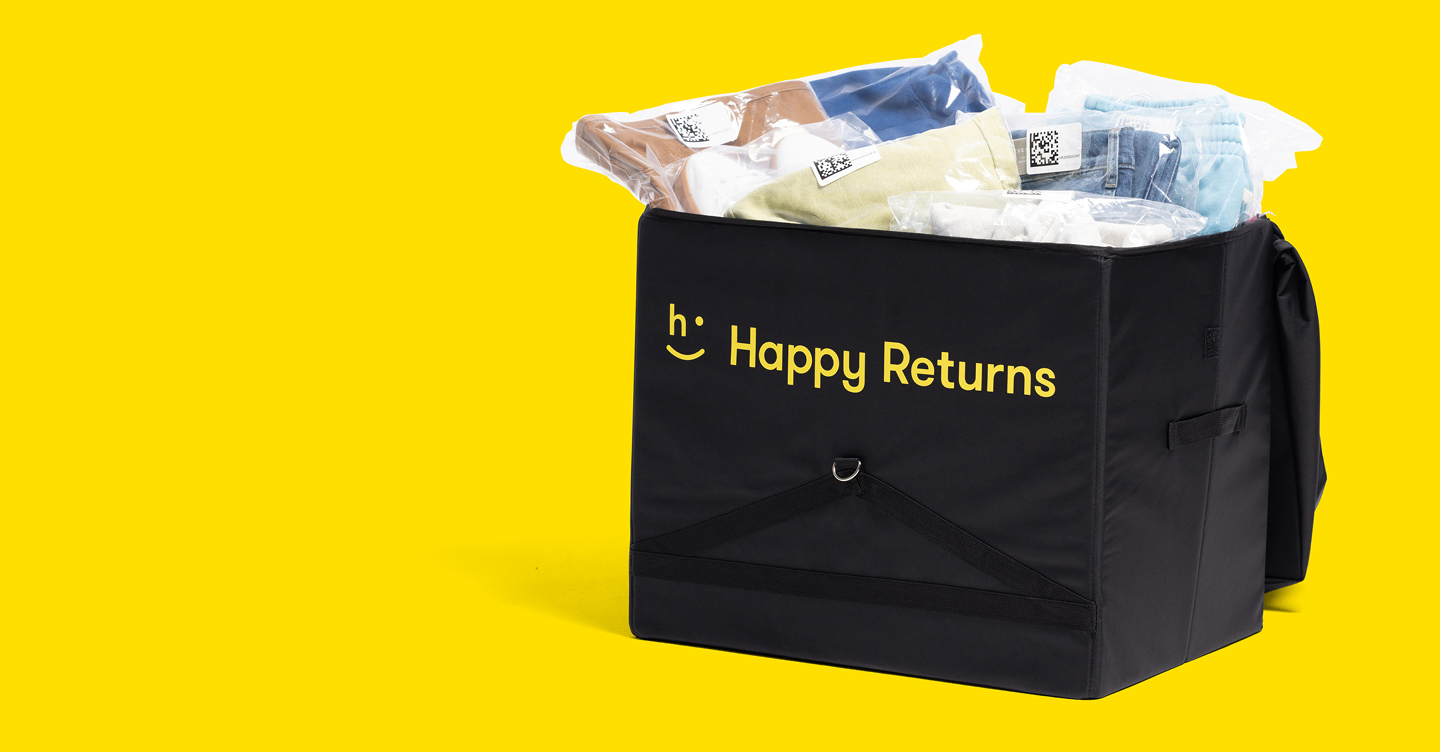
UPS and Happy Returns have expanded the Return Bar network to 10,000 locations across the United States, widening the reach of box-free, label-free returns and further scaling a consolidated reverse logistics model for retailers. The latest expansion adds more than 1,700 locations, largely through new partnerships with Annex Brands and PackageHub Business Centers.
The network now places 79% of the US population within five miles of a Return Bar site, while more than a quarter of Americans live within one mile of a drop-off point. UPS said the enlarged footprint builds on existing partnerships that include The UPS Store, Staples, and Ulta Beauty. Retailers using the network gain access to shared physical infrastructure for returns collection rather than having to build their own national drop-off and consolidation model.
The process is designed to reduce friction at handback. Shoppers can return items without printing labels or packaging them, store associates scan the barcode, and the goods move into a consolidated returns flow. Behind that convenience layer, UPS is combining the network with RFID capability and Happy Returns’ Return Vision tools, including behavioural risk scoring intended to identify suspicious return patterns earlier in the process.
Fraud control and processing speed are becoming more tightly linked in reverse logistics. Retailers are trying to reduce friction for legitimate returns while limiting the margin damage caused by false claims, unnecessary handling, and slow reintegration of returned stock. UPS said returns are now moving from drop-off back to retailers in as little as 3.6 days, with an average transit time of seven days across customers. Faster movement back into inventory can have a direct effect on markdown risk and resale recovery, particularly in categories with shorter selling windows.
Reverse logistics has become a more disciplined operational category in its own right. Retailers are relying less on ad hoc returns processes and more on structured networks that combine consumer convenience, consolidation, validation, and data screening. Shared systems are attractive because they reduce the need for duplicate infrastructure while improving visibility over what is being returned, how it is moving, and how quickly it can re-enter the chain.
The expansion to 10,000 sites shows how far that model has moved into the mainstream. Returns are no longer being treated only as a service obligation at the edge of e-commerce. They are becoming a more actively managed part of fulfilment, where speed, control, and network density all affect cost and inventory performance. As those pressures intensify, the operators with the strongest consolidation and visibility layers are likely to gain the advantage.