IN Brief:
- Asyad has acquired Ligentia, extending its footprint to 24 countries and 76 cities.
- The deal brings Ligentia’s Ligentix platform into the group, adding real-time visibility, ERP integration, and predictive analytics capability.
- The acquisition reflects a wider shift in logistics M&A toward platforms that combine freight execution with control tower software and data services.
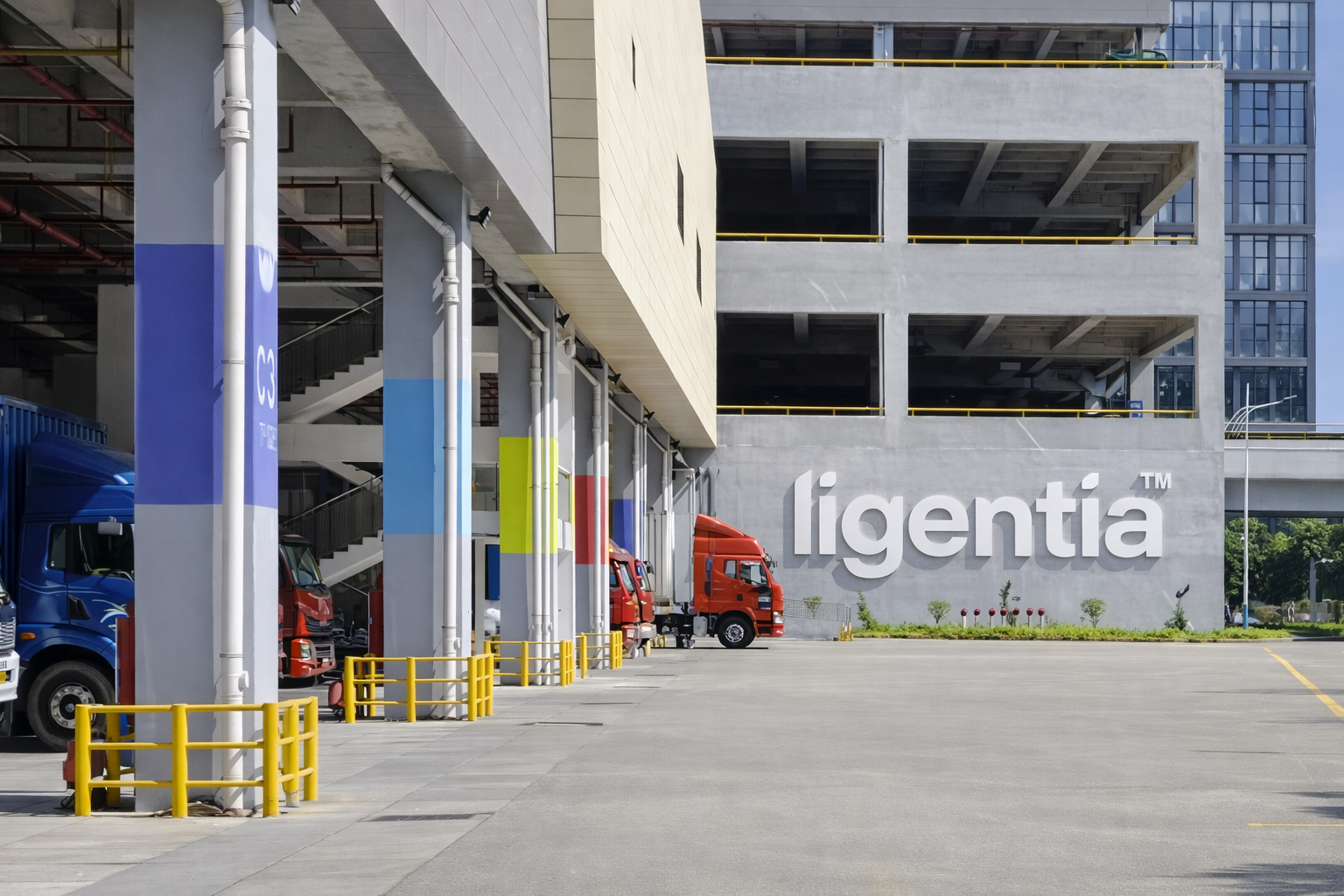
Asyad has acquired UK-based fourth-party logistics provider Ligentia, extending its international network to 24 countries and 76 cities while adding a mature control tower platform to its service portfolio. The transaction is Asyad’s second major international acquisition in less than two years and broadens its position in technology-led supply chain management.
Ligentia brings its Ligentix platform into the group, adding real-time shipment visibility, ERP integration, and predictive analytics capability. The company also contributes exposure to retail, automotive, manufacturing, and e-commerce supply chains, alongside a client base of more than 6,000. Asyad said a regional supply chain control and analytics centre will be established in Muscat, extending the role of Oman within the group’s wider logistics structure.
The acquisition links physical logistics capacity more closely with orchestration software, which has become increasingly valuable as shippers deal with disruption, inventory imbalance, customs friction, and transport cost volatility. Visibility platforms are now expected to do more than display shipment status. They are being used to connect booking, inventory, customs, warehousing, and delivery workflows in one operating layer, reducing the number of blind spots across the network.
Logistics groups have spent years expanding through ports, warehouses, fleet, forwarding capability, and geographic reach. Those assets still matter, but recent deals have increasingly focused on platforms that can control and interpret activity across the chain. Shippers want fewer disconnected systems and less manual reconciliation between providers, which has given control-tower and analytics capabilities a more central place in logistics competition.
Asyad’s own growth gives the deal additional weight. The group said turnover has risen from OMR123 million in 2016 to an annualised level above OMR800 million in 2026, while its shipping arm has expanded to more than 90 vessels serving over 200 ports in 60 countries. Bringing Ligentia into that structure creates a broader proposition that combines ports, shipping, inland logistics, and digital coordination across a wider international footprint.
The challenge now lies in integration. Acquisitions of this kind deliver their value only when the software layer remains coherent as the network expands around it. Customers will expect continuity in system quality, implementation discipline, and visibility performance while the business scales inside a larger group. If Ligentix can retain that sharpness while being deployed across Asyad’s international operations, the acquisition gives the company a stronger position in a market where managing complexity has become just as important as moving freight.