IN Brief:
- CILT(UK) held its annual Partnerships Day at the National Space Centre in Leicester on 14 May.
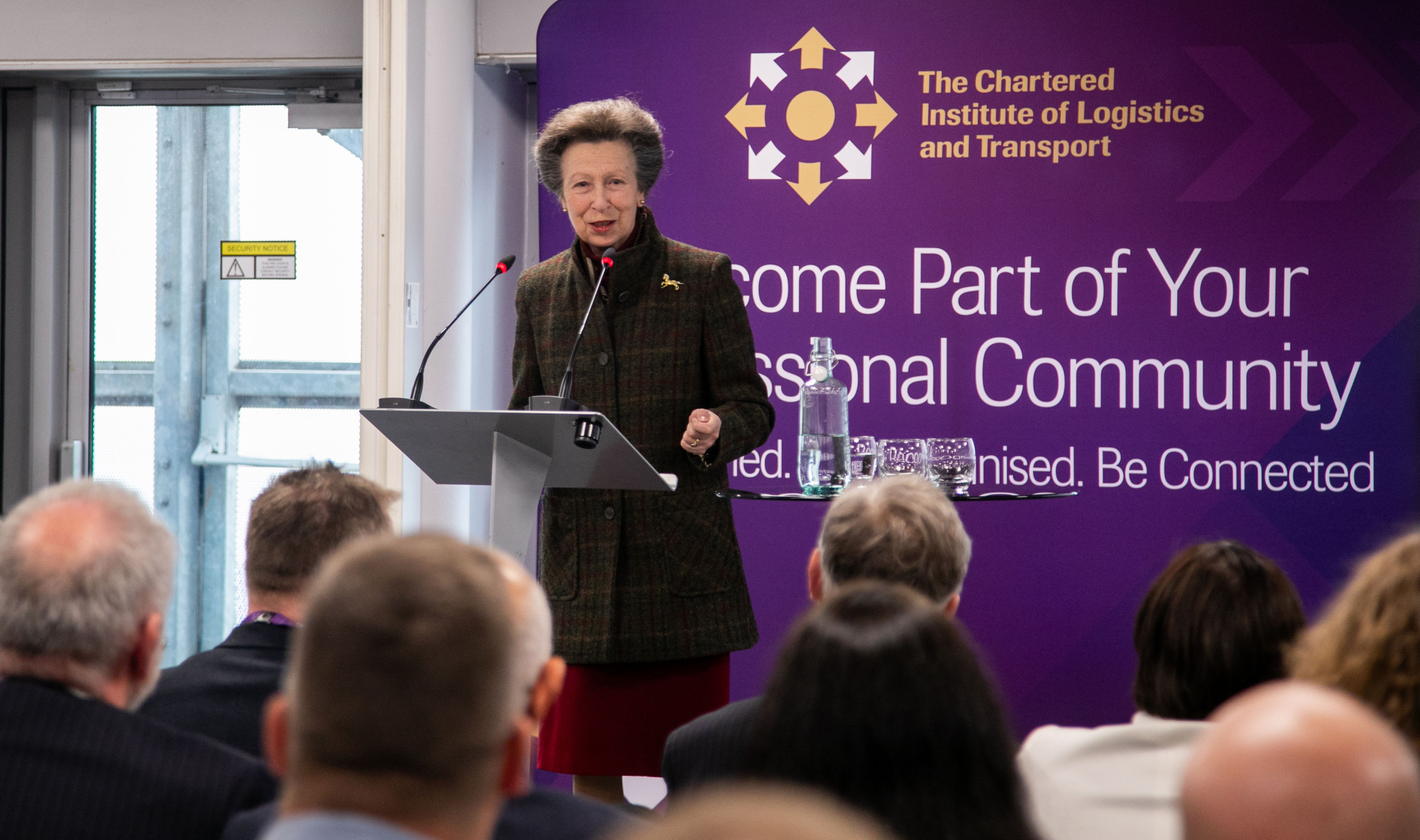
- HRH The Princess Royal attended the event as Patron of the Institute.
- The day launched CILT(UK)’s forthcoming Centenary celebrations, marking 100 years since its Royal Charter.
The Chartered Institute of Logistics and Transport in the UK has launched its forthcoming Centenary celebrations at Partnerships Day 2026, bringing together logistics, transport, and supply-chain leaders at the National Space Centre in Leicester.
The event took place on 14 May and was attended by HRH The Princess Royal, Patron of CILT(UK), as a special guest. The Institute used the day to begin its centenary activity, recognising 100 years since it was awarded its Royal Charter and its role in supporting professional standards across logistics, transport, and supply chain.
Partnerships Day brought together CILT(UK) partners, industry leaders, and public sector bodies for keynote sessions, panel discussions, leadership insights, and masterclasses. The agenda focused on change, culture, and collaboration, with speakers and participants from organisations including DP World, GXO, Carlsberg Britvic, Stagecoach, NHS, VEV, and Transport Intelligence Ltd.
The day opened with an insight session led by Erin Meehan, Head of Partnerships at CILT(UK), examining what strong partnership culture looks like across logistics, transport, and supply chain. John Manners-Bell, Chief Executive Officer of Transport Intelligence Ltd, delivered a keynote on collaboration and innovation, while Vice Admiral Andy Kyte CB, Chief of Defence Logistics, led a leadership session on culture and change during periods of transformation.
Panel sessions examined how partnerships can accelerate innovation, technology adoption, sustainability, and workforce capability. Other sessions covered managing organisational change, future bus and public transport partnerships, and professionalising the sector through standards, qualifications, and skills development.
Helen Hardy, Chief Executive Officer of CILT(UK), said: “Partnerships Day is about bringing together organisations and leaders to share ideas, strengthen relationships and shape the future of our profession together. This event highlighted the importance of culture, change and partnership working across our industry.”
She added: “This year’s event was especially significant as it also marked the launch of our forthcoming Centenary celebrations, recognising 100 years since CILT(UK) was awarded its Royal Charter. For a century, CILT(UK) has represented professional excellence, trusted standards and leadership across logistics, transport and supply chain, while building a strong community connected by shared values, expertise and purpose.”
Professional development is becoming more closely linked to operational resilience across logistics. Automation, fleet decarbonisation, digital freight systems, warehouse robotics, planning tools, regulation, and sustainability reporting are changing roles across the sector. Employers are having to recruit new skills while also helping existing teams adapt to more complex operating environments.
Collaboration between established operators and emerging technology providers is already becoming part of that shift. GXO’s UK and Ireland logistics accelerator is testing new technologies across warehousing, transport, workforce tools, and infrastructure logistics, while CILT(UK)’s event approached transformation from the professional and organisational side.
The centenary gives the Institute a platform to connect its heritage with the next phase of logistics professionalism. The sector’s operating environment is now shaped by infrastructure pressure, regulatory change, transport decarbonisation, automation, skills shortages, and more complex public-private delivery models. Professional bodies are being asked to help define competence, standards, and career pathways across that changing landscape.
During her visit, HRH The Princess Royal met CILT(UK) partners, industry leaders, and delegates. Her continued association with the Institute reinforces the status of logistics and transport as a profession that underpins national resilience, economic performance, and public service delivery.