IN Brief:
- Cold Chain Technologies has expanded its North American footprint with a 100,000 sq ft Bethlehem facility.
- The site supports reusable container refurbishment, conditioned set-up, assembly, and kitting.
- The location strengthens access to pharmaceutical and life sciences customers across the Northeast United States.
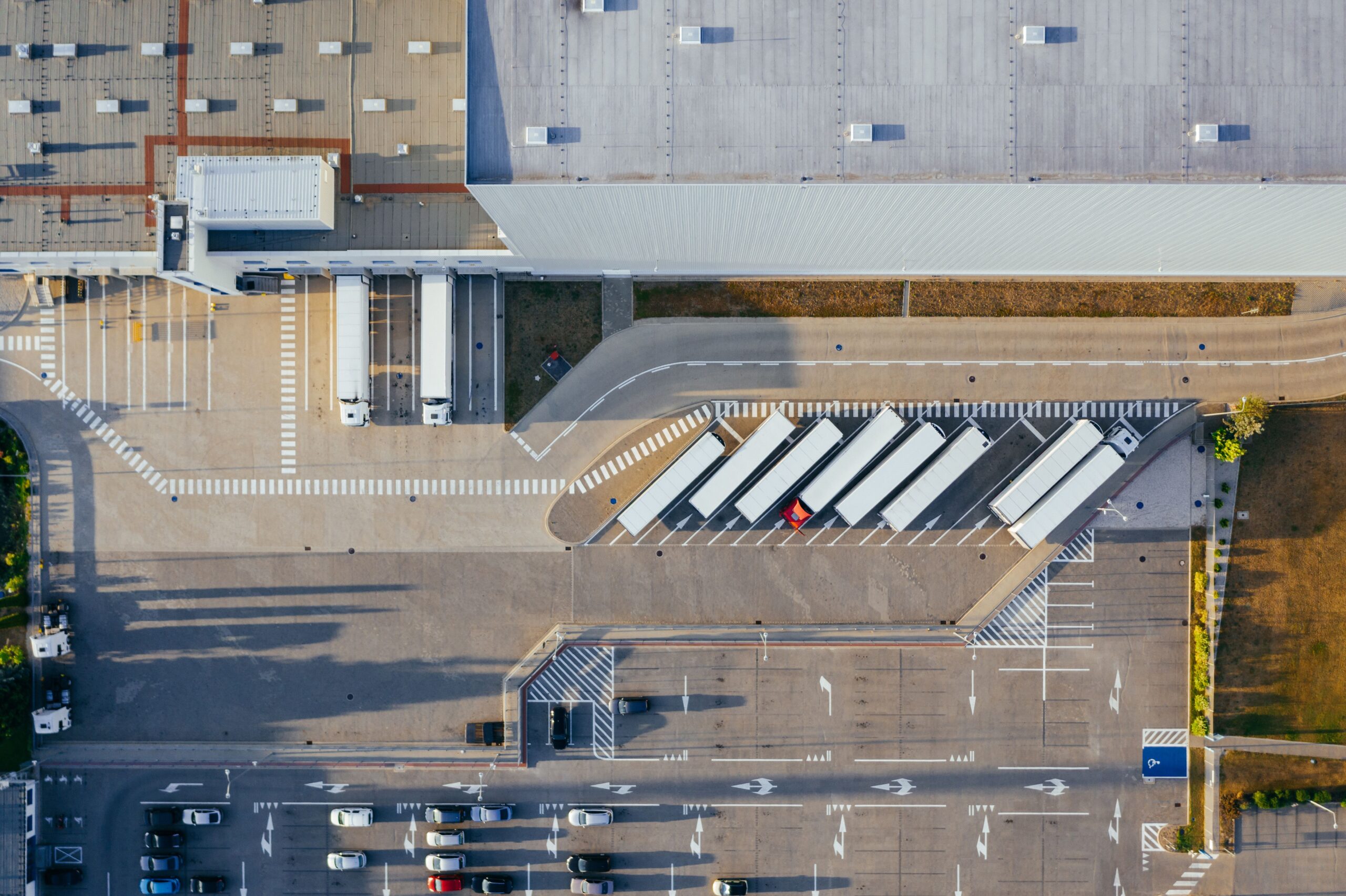
Cold Chain Technologies has expanded its North American operations with a new and larger facility in Bethlehem, Pennsylvania, increasing regional capacity for passive cold-chain solutions serving pharmaceutical and life sciences customers.
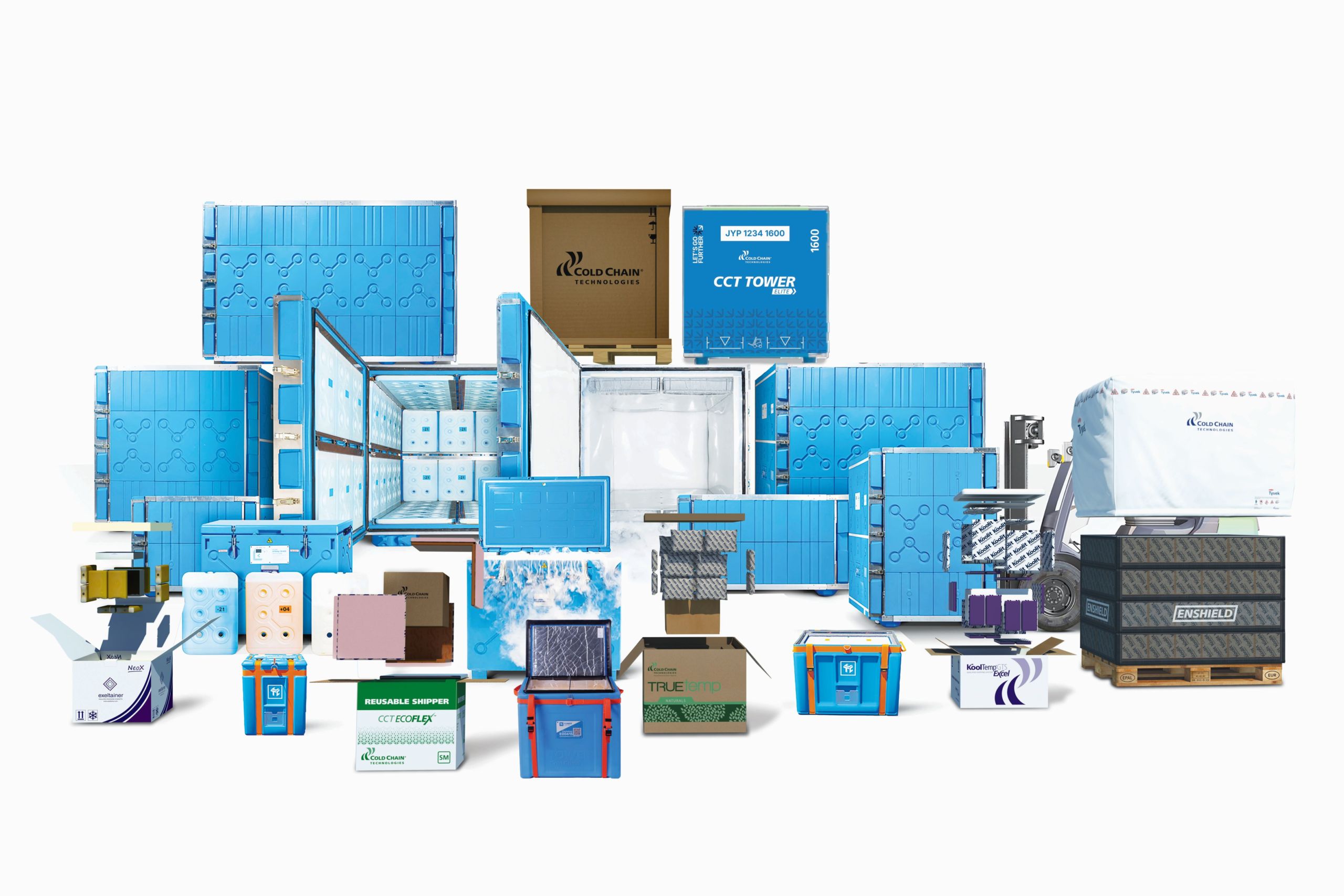
The 100,000 sq ft site brings several core capabilities into one location, including refurbishment and conditioned set-up for reusable containers, as well as assembly and kitting for single-use sustainable products. The facility is ISO 9001:2015 certified and supports CCT’s portfolio across reusable parcel shippers, sustainable single-use solutions, reusable pallet shippers, and additional temperature-controlled packaging systems.
The Bethlehem location gives CCT greater proximity to pharmaceutical manufacturing and life sciences customers across the Northeast United States. The company has positioned the site within the tri-state area to reduce freight distances, shorten lead times, improve availability, and support more efficient reverse logistics for reusable solutions.
The facility will support both parcel and pallet shipper programmes, giving customers regional access to temperature-controlled packaging services across different shipment sizes and operating models. By placing refurbishment, assembly, conditioning, and distribution capability under one roof, CCT is aiming to reduce turnaround time and improve service responsiveness for customers managing sensitive pharmaceutical movements.
Ranjeet Banerjee, Chief Executive Officer at CCT, said: “The expansion of our North American footprint with this new Bethlehem site reflects our continued focus on bringing capabilities closer to our customers. Proximity matters in pharmaceutical cold chain, whether that’s reducing transit times, improving availability or supporting more efficient reverse logistics for reusable solutions.”
He added: “This facility strengthens our ability to deliver a full spectrum of cold chain services in-region, combining scale with flexibility. By investing in strategically located infrastructure, we are helping customers optimise their supply chains while maintaining the high standards of thermal assurance that patients depend on.”
The expansion reflects a broader shift in pharmaceutical logistics from product movement to thermal assurance infrastructure. Temperature-controlled packaging now has to support a more demanding mix of biologics, speciality medicines, clinical trial materials, diagnostics, and high-value therapies. Many of those products are less tolerant of temperature deviation and require documented handling from release through delivery.
Reusable packaging also changes the operating model. It can reduce waste and improve long-term packaging economics, but it depends on reverse logistics, refurbishment capacity, asset visibility, cleaning, inspection, conditioning, and redeployment. Regional service centres become essential when customers want reusable systems without adding long repositioning legs or slow turnaround cycles.
Healthcare logistics networks are becoming more regional and more controlled, with GEODIS preparing to open a temperature-controlled pharmaceutical warehouse near Manchester Airport and Kuehne+Nagel adding pharma cold-chain capacity in Hyderabad. CCT’s Pennsylvania site fits the same pattern, strengthening specialist infrastructure close to major life sciences demand.
For pharmaceutical manufacturers, packaging availability can determine whether shipments move as planned. A lack of conditioned shippers, slow return cycles, or distant refurbishment capacity can add cost and uncertainty even when warehousing and transport are otherwise available. Locating those services closer to major production corridors reduces friction in the chain.
The Bethlehem facility therefore strengthens more than CCT’s building footprint. It adds regional infrastructure around an increasingly important part of pharmaceutical logistics: the interface between product protection, packaging reuse, service speed, and compliance. As life sciences supply chains expand and temperature-control expectations tighten, cold-chain packaging networks are becoming strategic assets in their own right.