IN Brief:
- Air China Cargo has signed a purchase agreement for four additional Airbus A350F freighters.
- The order takes the carrier’s total A350F commitment to 10 aircraft.
- The fleet expansion strengthens long-haul cargo capacity while supporting lower fuel burn and future emissions compliance.
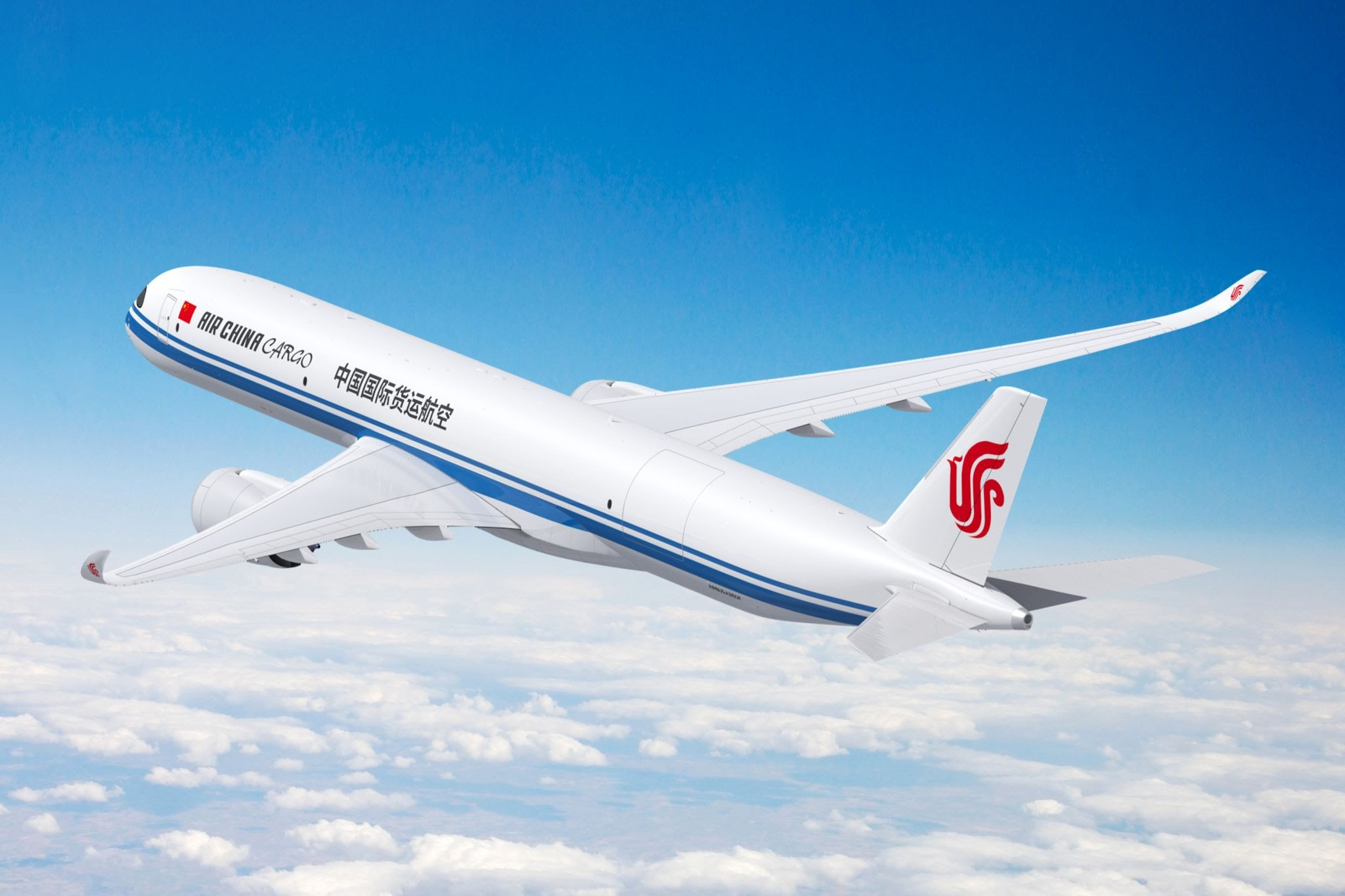
Air China Cargo has signed a purchase agreement with Airbus for four additional A350F freighters, increasing its total order for the type to 10 aircraft.
The carrier previously ordered six A350F freighters in November 2025. The additional agreement strengthens its long-haul cargo fleet renewal programme and expands future capacity for international air freight markets.
Air China Cargo began introducing Airbus freighters at the end of 2023 and currently operates eight Airbus A330-200P2F aircraft. The A350F will complement that converted freighter fleet, giving the carrier a new-production widebody platform for long-haul and medium-to-long-haul cargo routes.
“This additional order, following our initial A350F order last year, is a crucial strategic decision for the company to further optimise our fleet structure and expand transport capacity. It will allow us to better match and meet the demands of the international air cargo market, laying a solid foundation for the company’s long-term stable development,” said Wang Hongyan, Vice President of Air China Cargo.
The A350F has a range capability of up to 8,700 kilometres with a payload of up to 111 tonnes. Airbus has designed the aircraft using more than 70% advanced materials, making it 46 tonnes lighter than competitor aircraft, while Rolls-Royce Trent XWB-97 engines are expected to reduce fuel consumption and carbon emissions by up to 20% compared with previous-generation aircraft with similar payload-range capability.
The purchase agreement follows the earlier Air China Cargo A350F freighter order expansion, confirming the carrier’s move from planned fleet growth into a larger formal purchase commitment.
Asian air cargo operators are preparing for another phase of network investment. E-commerce growth, electronics supply chains, cross-border manufacturing, pharma, perishables, and high-value industrial cargo continue to support long-haul freighter demand, even as short-term volumes vary across trade lanes.
Fleet renewal is also becoming more closely linked to emissions planning. The A350F is designed to meet ICAO’s 2027 CO₂ emissions standard and will be able to operate with up to 50% sustainable aviation fuel at entry into service. Airbus is targeting 100% SAF capability across its aircraft by 2030.
Those technical characteristics are important because freighters often remain in service for long periods. Aircraft ordered now will operate through a period of tighter emissions scrutiny, higher fuel-cost sensitivity, and greater pressure from shippers to account for the carbon intensity of transport choices.
Air China Cargo’s A330-200P2F fleet gives it converted freighter capacity, while the A350F order adds new-build aircraft with higher long-haul capability. That combination allows the carrier to match aircraft to route length, payload profile, and cargo type, rather than relying on a single freighter class across all operations.
The agreement also strengthens Airbus’ position in the next-generation freighter market. At the end of April 2026, the A350F had registered 101 orders from 14 customers. Air China Cargo’s move to 10 aircraft gives the programme another major Asian operator at a time when regional carriers are investing in newer freighter platforms.
Air freight capacity has become a strategic asset rather than a simple response to demand spikes. Passenger bellyhold recovery has eased some pressure since the pandemic, but geopolitical disruption, e-commerce volatility, and manufacturing shifts have kept freighter capability high on carrier and shipper agendas. Air China Cargo’s expanded order gives it more control over future long-haul capacity, with efficiency now carrying almost as much weight as volume.