IN Brief:
- Aldi has started initial operations at its £500m Bardon distribution centre in Leicestershire.
- The 1.3m sq ft site will serve nearly 350 stores and handle up to seven million pallets a year.
- The warehouse combines large-scale grocery infrastructure with automated storage, solar generation, and temperature-controlled capacity.
Aldi has started initial operations at its £500m Bardon distribution centre in Leicestershire, adding one of the largest grocery logistics assets in the UK market.
The 1.3m sq ft facility will employ around 1,000 people once fully operational. Aldi expects the site to serve nearly 350 stores and handle up to seven million pallets each year, giving the retailer additional capacity across ambient, chilled, and temperature-controlled grocery flows.
The development forms part of Aldi’s wider £1.6bn UK investment programme for 2026 and 2027. Planning approval for the Bardon site was granted in August 2020, construction began in April 2021, and the building was completed in 2024 ahead of operational ramp-up.
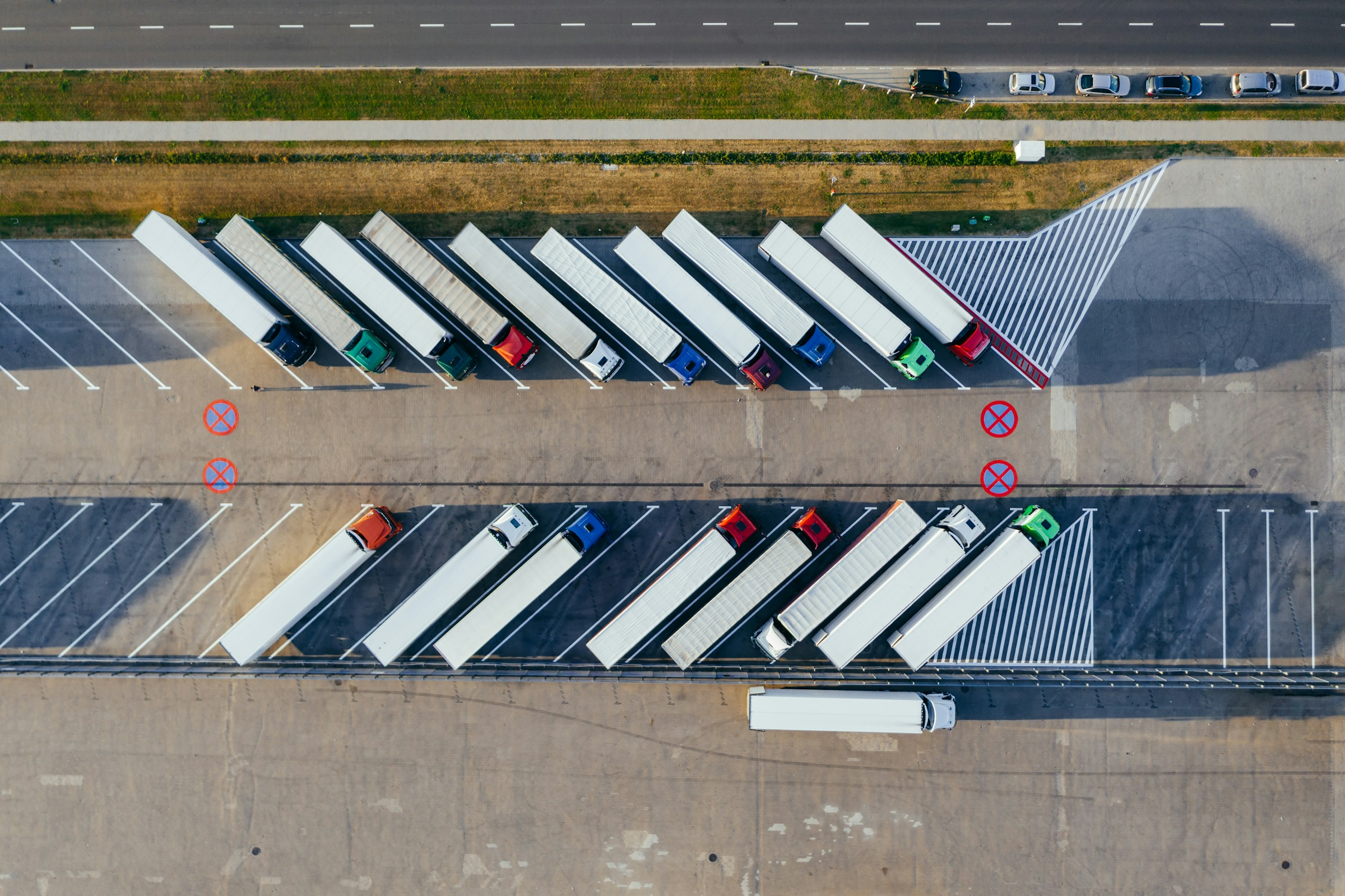
The distribution centre consists of five linked buildings, with four ambient chambers and six temperature-controlled chambers. The site includes 100 HGV bays at the front, 40 at the rear, and automated storage systems supplied by Dematic and Cimcorp to unpack deliveries and store cases in high-density racking.
Aldi has also positioned the facility as its lowest-carbon-density warehouse within the Aldi South Group. The building includes 19,000 solar panels, underlining the growing link between warehouse scale, energy strategy, and retail distribution economics.
The site strengthens Aldi’s UK grocery network at a time when discounters continue to place pressure on store availability, supplier performance, and cost per case. Large automated warehouses can support higher throughput and tighter replenishment, but they also demand greater discipline across inbound booking, pallet quality, data accuracy, and transport coordination.
For suppliers, automated retail warehouses often change the operational rules. Poor labelling, irregular pallet presentation, late deliveries, and inaccurate advance data are harder to absorb in facilities designed around high-throughput automation. As retailers invest in larger, more automated sites, compliance requirements tend to become stricter because exceptions disrupt the flow of the system.
Temperature-controlled capacity also gives Bardon a strong role in grocery resilience. Fresh, chilled, frozen, and ambient categories each place different demands on storage, picking, dispatch, and vehicle loading. The ability to combine scale with temperature segregation supports store availability while helping protect shelf life and reduce waste.
Food logistics investment has been moving in the same direction across the UK. Marks & Spencer’s automated food warehouse build and Unilever’s Port Sunlight logistics upgrade both show how major food and consumer goods operators are putting capital into distribution assets that can handle more complexity, higher service expectations, and tighter operating costs.
Energy has become a central part of that equation. Distribution centres are no longer judged only by location, height, dock numbers, yard space, and labour access. Solar generation, grid capacity, refrigeration load, vehicle charging, automation power demand, and building performance all influence long-term operating cost.
Bardon’s 19,000-panel solar installation reflects that wider change. As warehouses become more automated and more temperature-controlled, energy strategy becomes a core logistics decision rather than an environmental add-on. Sites with higher power demand need both reliable supply and a route to reducing exposure to energy price volatility.
The opening phase at Bardon gives Aldi additional capacity, but the full test will come as volumes increase and the site settles into the retailer’s national network. Its performance will depend on how effectively automation, labour planning, supplier compliance, transport scheduling, and energy management are brought together at scale.