IN Brief:
- AutoFlight’s V2000CG CarryAll has received a Validated Type Certificate in Indonesia.
- The 2-ton unmanned cargo eVTOL can now begin commercial operations in the Indonesian market.
- The aircraft’s vertical take-off design targets inter-island logistics for high-value and time-sensitive goods.
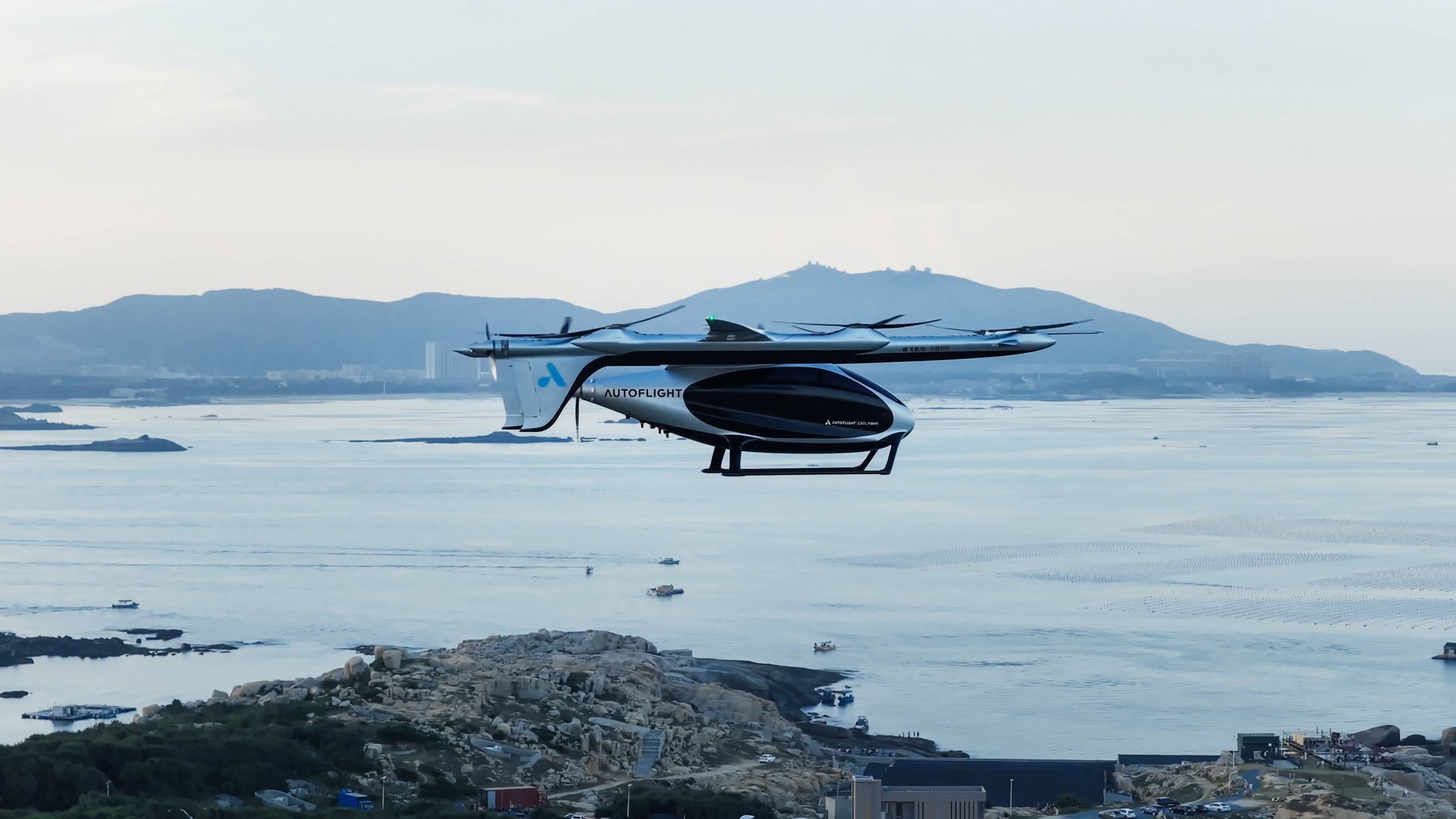
AutoFlight has received a Validated Type Certificate in Indonesia for its V2000CG CarryAll cargo eVTOL, creating a regulatory route for commercial unmanned cargo operations outside the aircraft’s home certification market.
The certificate was issued by Indonesia’s Directorate General of Civil Aviation on 3 June 2026. It confirms that the aircraft’s design complies with the airworthiness requirements of both the Civil Aviation Administration of China and the Indonesian regulator, making the V2000CG the first eVTOL to secure overseas type certificate validation.
With a maximum take-off weight of 2,000kg, a cruise speed of 200km/h, and a range of around 200km, the V2000CG CarryAll sits in a cargo class that could serve routes too time-sensitive for maritime transport and too infrastructure-constrained for conventional aircraft. Its lift-and-cruise configuration removes the need for runways, allowing vertical take-off and landing at sites where fixed-wing cargo operations would be impractical.
The aircraft first received its Type Certificate from the CAAC in March 2024 after compliance verification and flight testing. AutoFlight submitted its Indonesian validation application in July 2025, with the process covering comparative airworthiness analysis, technical consultation, documentation review, and on-site inspections in China by Indonesian authorities.
Indonesia gives the certification immediate operational relevance. Across more than 17,000 islands, freight movement often depends on a patchwork of maritime links, road transfers, smaller air services, and local handling arrangements. Bulk cargo will remain tied to conventional vessels and road haulage, but high-value goods, fresh produce, pharmaceuticals, emergency supplies, and critical spare parts occupy a different category, where delay can quickly outweigh transport cost.
That middle ground is where cargo eVTOLs are beginning to move from demonstration into more disciplined logistics planning. The V2000CG is not a replacement for ships, trucks, or conventional aircraft. It is a route-specific vehicle for consignments where access, urgency, and infrastructure limitations combine to create a service gap.
The aircraft has already been demonstrated in China in offshore logistics, island resupply, emergency response, and low-altitude cargo movement. Those applications show the operational environment that eVTOL cargo systems must solve beyond flight performance alone: charging, landing sites, route permission, weather planning, maintenance access, ground handling, cargo containment, and integration with existing transport systems.
At the lighter end of aerial logistics, Walmart and Wing’s expanding drone delivery activity shows the same movement towards defined service zones and repeatable route economics rather than open-ended claims about replacing the van. AutoFlight’s platform addresses a heavier payload class, but the commercial discipline is similar: aerial logistics only becomes useful when the aircraft, route, cargo profile, and operating process align.
Indonesia could become a proving ground for that heavier category because its geography forces logistics trade-offs into the open. Maritime routes remain essential, but they are slow. Airports offer speed, but they require expensive infrastructure and sufficient volumes. A certified cargo eVTOL gives operators a third option for routes where a runway is unavailable, a boat is too slow, and a truck cannot complete the journey.
Commercial scale will depend on how quickly certified aircraft can be placed into controlled logistics networks. Operators will need charging locations, trained maintenance support, secure cargo processes, digital dispatch, and clear rules for flight corridors and landing zones. The certification gives AutoFlight regulatory entry, but the service model will be judged by reliability, dispatch availability, cost per mission, and the ability to operate repeatedly in humid, coastal, and weather-exposed conditions.
The validation also gives Southeast Asian logistics operators a more concrete reference point for runway-free cargo services. Archipelagic and coastal markets across the region face similar barriers: fragmented geography, uneven road access, limited runway availability, and time-sensitive flows linked to food, healthcare, industrial maintenance, and emergency response.
AutoFlight’s Indonesian approval therefore moves cargo eVTOL operations one step closer to commercial network design. The first viable lanes are likely to be narrow and high-value, built around cargo that already carries a premium for speed and access. In that setting, the aircraft’s role is not novelty. It is another controlled movement option for supply chains that cannot always wait for the next vessel, runway slot, or long road transfer.