IN Brief:
- Bangladesh is preparing reforms to remove the 49% foreign ownership cap on private inland container depots and off-dock facilities.
- The measures sit alongside planned free trade zones, private terminal concessions, and expanded air cargo access.
- The reforms could accelerate logistics infrastructure investment around Chattogram and export-led industrial corridors.
Bangladesh’s Ministry of Finance is preparing a package of logistics reforms designed to draw foreign capital into inland container depots, off-dock facilities, free trade zones, port terminals, and air cargo services.
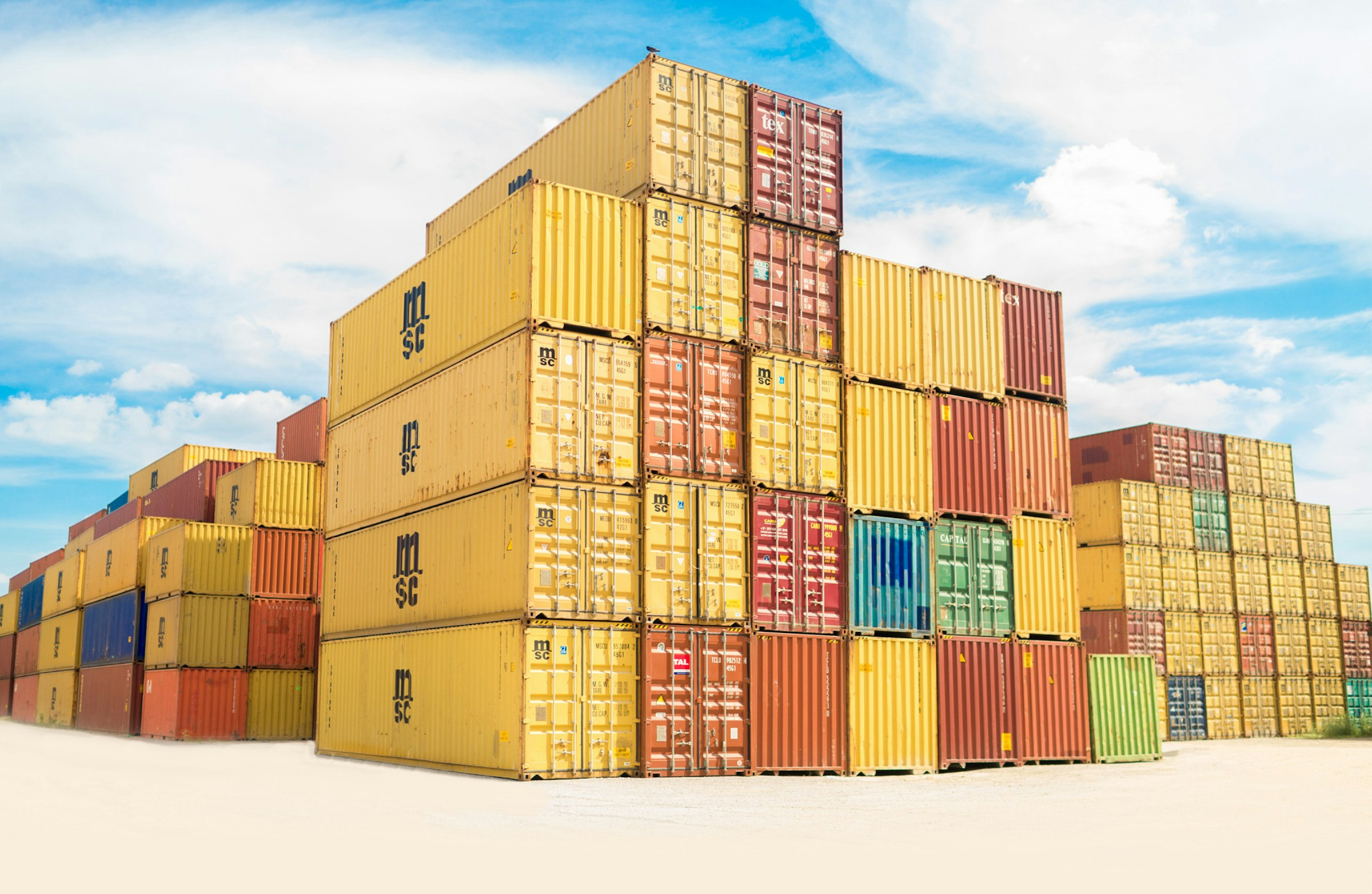
The measures include removing the 49% foreign ownership cap on private inland container depots and off-dock operations. Bangladesh already has more than two dozen private ICDs supporting import and export flows, with some foreign equity participation, but the ownership ceiling has limited the ability of international logistics groups, port operators, and infrastructure investors to take full control of assets serving the country’s main trade corridors.
Alongside the ownership change, amendments to the Customs Act are being prepared to support free trade zones where goods can be imported duty-free for export-oriented storage, packaging, manufacturing, and processing. The first zone is planned at Anwara in Chattogram, placing value-added logistics, light manufacturing, and customs-linked storage closer to the country’s principal maritime gateway.
Private port and terminal operations are also moving higher up the reform agenda, with concession models being prepared for assets including the New Mooring Container Terminal at Chattogram and the Laldia Container Terminal. The Laldia project is expected to add more than 800,000 TEU of annual handling capacity, while Pangaon Inland Container Terminal is being positioned for greater private-sector participation.
Air cargo is being pulled into the same liberalisation programme. New rules for air cargo operator stations would allow international logistics businesses to participate more directly in customs clearance and cargo processing, strengthening options for higher-value goods, time-sensitive exports, industrial inputs, and temperature-sensitive shipments. Apparel remains central to Bangladesh’s export economy, but pharmaceuticals, electronics, and engineered goods require a logistics system with better handling speed and stronger service reliability.
South Asia’s logistics market is being reshaped by manufacturing diversification, shifting sourcing strategies, and rising investor interest in India, Bangladesh, and Vietnam as production bases. Bangladesh has a deep export platform, especially in garments, but inland congestion, customs friction, port pressure, and logistics cost have all constrained its ability to move further into higher-value industrial activity.
Removing the ICD ownership cap changes the investment proposition. International operators tend to look for operational control where they are expected to commit capital, management systems, technology, and long-term expertise. Minority ownership can weaken the case for investment in automated gate systems, bonded warehousing, customs interfaces, transport management platforms, temperature-controlled facilities, and high-security cargo handling.
Regional logistics investment is already accelerating. YCH’s planned ₹10bn India logistics expansion and DP World’s export growth forecast at Mundra show how infrastructure capital is gathering around South Asian manufacturing and port-linked distribution. Bangladesh is now signalling that logistics capacity must catch up with its export ambitions rather than remain a structural bottleneck.
The reforms will still depend on execution. International capital will look for predictable concessions, transparent tariffs, customs alignment, suitable land, grid access, multimodal links, and credible dispute resolution. Warehouses, depots, and terminals are long-lived assets, and investment decisions will rest on whether liberalisation translates into bankable projects rather than administrative intent.
If the measures are implemented cleanly, Bangladesh could begin to narrow the gap between its manufacturing strength and the logistics infrastructure supporting it. For a country whose exports are already deeply tied into global supply chains, the ability to modernise depots, ports, air cargo handling, and customs-linked storage will shape how far it can climb beyond volume-led trade.