IN Brief:
- Challenge Group is adding larger freighter capacity on Liège-Mumbai and launching additional Shanghai services.
- India-Europe freighter capacity has been rising as carriers respond to manufacturing and export growth.
- Tight space across parts of Asia is keeping pressure on booking windows and forwarder planning.
Challenge Group is expanding its Asia-Europe freighter network with additional capacity linking Liège with Mumbai and Shanghai.
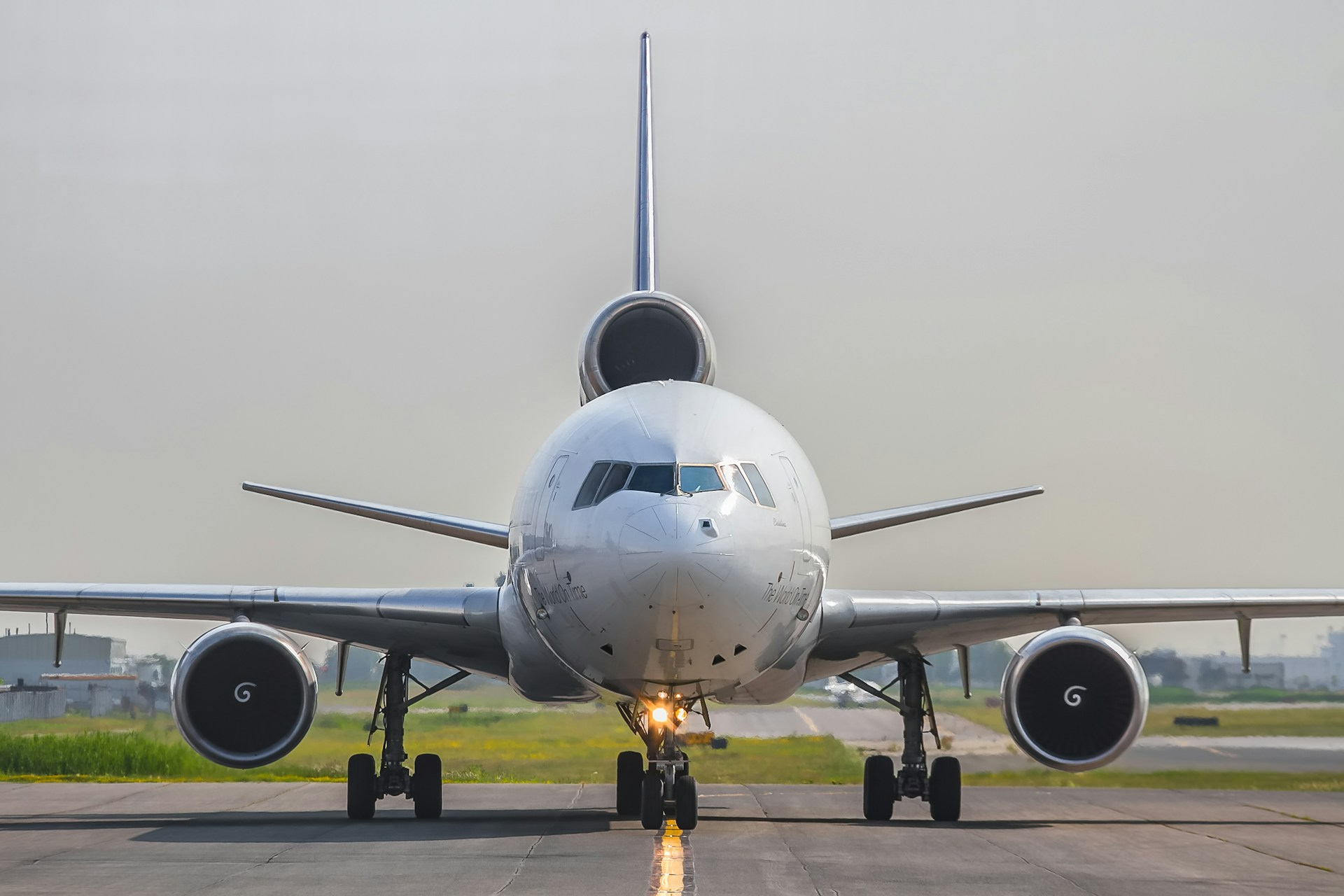
The group is introducing twice-weekly Boeing 777-300ERSF flights to Mumbai, replacing existing Boeing 767 capacity with a larger aircraft on the route. It is also adding three weekly Shanghai services from July, strengthening capacity into two major Asian export gateways as Europe-bound demand remains firm.
Mumbai’s upgrade reflects India’s growing role in global air cargo planning. Freighter capacity between India and Europe has been rising as carriers respond to stronger flows across pharmaceuticals, automotive components, electronics, textiles, manufacturing inputs, and e-commerce-linked exports. Airport infrastructure investment, including cargo development around Navi Mumbai, is adding further weight to the country’s long-term freight position.
China remains a critical export base despite tariff volatility and shifting sourcing strategies. Shanghai continues to anchor electronics, machinery, industrial equipment, and high-value manufacturing flows, while Chinese outbound demand remains sensitive to policy decisions, production cycles, and capacity swings across ocean and air freight. Additional Shanghai rotations give Challenge more depth in a market where urgent and higher-value cargo still requires reliable uplift.
Export capacity across parts of India and Asia has tightened, with forwarders facing limited spot space and extended booking windows on some lanes. Europe-bound demand from South Asia has remained firmer than US-bound demand, where tariff uncertainty and earlier inventory frontloading have distorted shipment profiles. That split is becoming a more visible feature of current air cargo planning.
India’s rise as a cargo market is not just a question of additional aircraft. Ground handling, customs brokerage, airport trucking, temperature-controlled facilities, and road feeder connectivity all need to scale alongside freighter services. Without that supporting capacity, additional uplift can simply move congestion from one part of the logistics chain to another.
Pressure across Asia-Pacific freight has already been building before the traditional peak period, with high-value cargo, semiconductors, AI equipment, and industrial components competing for space. The same structural pressure has been visible in air cargo demand linked to AI infrastructure, where GPUs, servers, networking equipment, and related components have tightened capacity on selected lanes.
Carrier strategy is now increasingly tied to manufacturing geography. Aircraft deployment decisions have to balance export growth, airport capability, geopolitical risk, road connections, and customer volume commitments. Larger freighters can improve unit economics and give exporters more space, but they also concentrate risk where demand softens, handling constraints emerge, or policy changes reshape cargo flows.
Challenge’s move into larger Mumbai capacity points to India’s repositioning inside global cargo networks. As manufacturers spread production across Asia, direct freighter access becomes part of the industrial infrastructure needed to make diversification workable. Routes that once looked secondary can quickly become strategically important when electronics, pharmaceuticals, engineered goods, and consumer products begin moving at greater scale.
The next pressure point will come as peak-season demand builds across Asia-Europe lanes. Tighter booking windows, higher premiums for urgent shipments, and greater use of sea-air options are all likely where capacity fails to keep pace with export demand. Additional freighter services will help absorb growth, but the market is moving into a period where cargo planning will be shaped as much by available uplift as by headline demand.