IN Brief:
- Kraft Heinz is combining procurement and supply chain into one global leadership function.
- Janelle Aydin will become Global Chief Procurement and Supply Chain Officer from 1 July.
- The restructure aligns sourcing, manufacturing, logistics, resilience, and value-chain performance across a global food business.
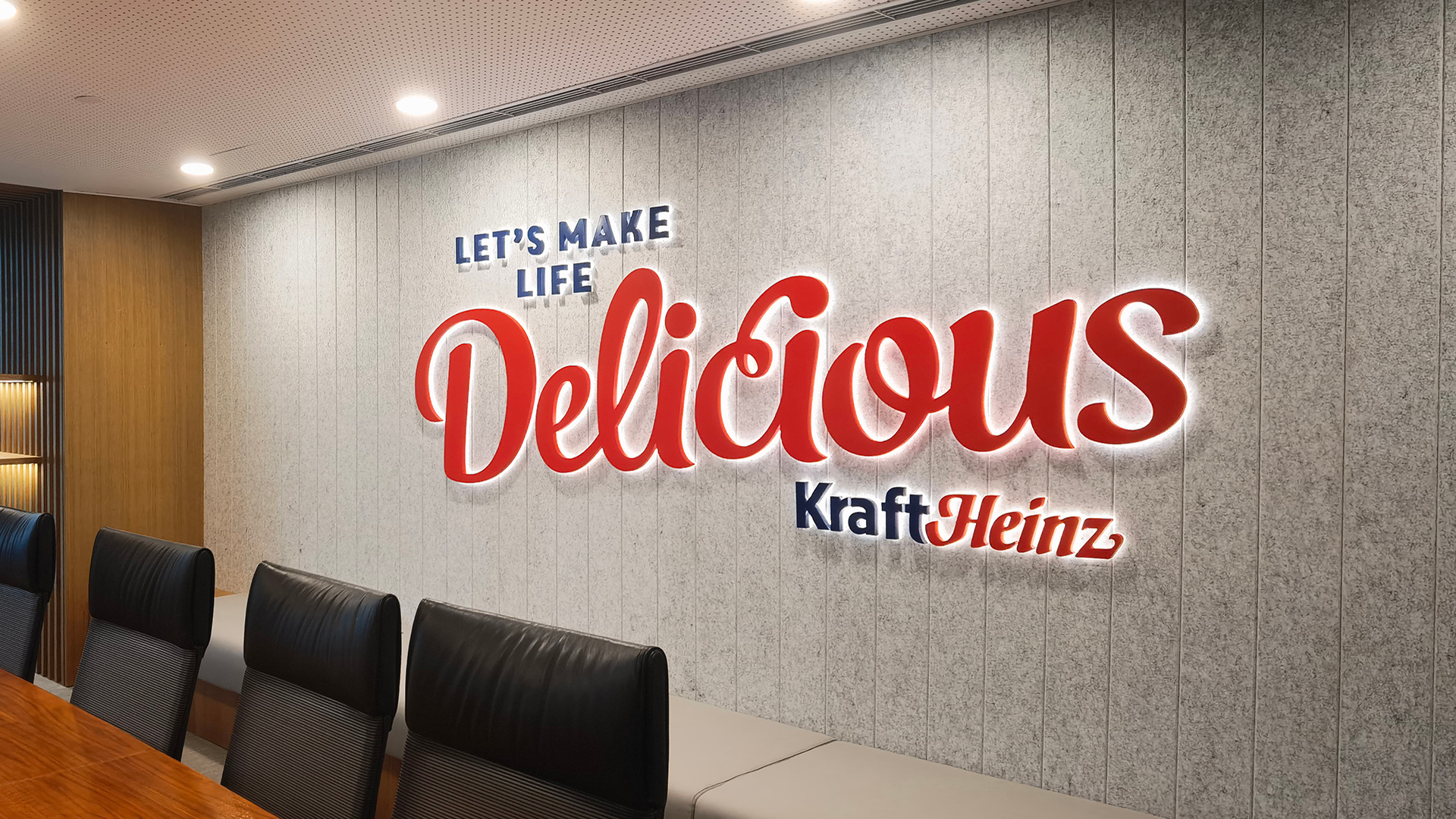
Kraft Heinz is combining procurement and supply chain leadership under Janelle Aydin as part of a wider operating restructure across its global food business.
Aydin will become Global Chief Procurement and Supply Chain Officer from 1 July, bringing sourcing and supply chain responsibilities into one central leadership function. The change sits alongside a broader reorganisation into three geographic zones: North America, Europe and Pacific Developed Markets, and Emerging Markets.
The company generated about $25bn in net sales in 2025 and operates brands sold across more than 40 countries. Its supply chain spans ingredients, packaging, manufacturing, co-manufacturing, warehousing, transport, retail distribution, foodservice, and international trade. Combining procurement and supply chain therefore changes how decisions are managed across a large and interconnected operating base.
Food manufacturers have spent the past several years navigating swings in commodity costs, energy prices, packaging availability, transport rates, retailer service requirements, and consumer demand. Procurement and logistics can no longer be treated as separate disciplines. A lower-cost sourcing decision can create transport complexity, while a packaging change can affect production speed, palletisation, warehouse density, and shelf execution.
Bringing the functions together gives Kraft Heinz a route toward more coordinated value-chain control. Procurement teams are increasingly expected to assess supplier resilience, emissions, geography, inventory risk, and manufacturing fit alongside price. Supply chain teams are expected to maintain service, reduce waste, manage cost, and protect continuity without permanently inflating working capital.
The three-zone structure adds another dimension because global scale and regional responsiveness often pull in different directions. Centralised procurement can improve leverage and standardisation, while regional teams need flexibility around local suppliers, regulations, retail formats, and consumer tastes. The operating model will need to preserve both discipline and responsiveness if it is to improve execution rather than add another reporting layer.
Sourcing decisions sit close to logistics performance in food manufacturing. Supplier location affects inbound transport. Ingredient availability affects production planning. Packaging lead times affect line continuity. Inventory buffers affect warehousing cost. Stronger alignment between procurement and supply chain can make those trade-offs more visible before they become production or service problems.
The appointment also places sustainability and resilience in the same decision space as cost. Ingredient sourcing, packaging specification, transport mode, supplier location, and manufacturing network design all influence emissions and risk exposure. Food companies are being pushed to reduce environmental impact while maintaining affordability and availability, a balance that depends on better coordination across the full operating chain.
Technology will determine how much practical value the structure creates. Integrated planning, supplier visibility, transport management, demand forecasting, and scenario modelling all become more useful when sourcing and logistics decisions are managed together. Without shared data and disciplined processes, organisational redesign risks becoming a management-chart change rather than an operational improvement.
The move also reflects changing board-level expectations. Procurement is no longer measured only on purchase savings, and supply chain is no longer measured only on fulfilment. Both functions are now tied to margin protection, service reliability, sustainability, resilience, and growth. Combining leadership concentrates responsibility, but it may also reduce the functional gaps that leave companies exposed during cost shocks or supply disruption.
Kraft Heinz’s restructure points to a wider direction in food and industrial supply chains. Suppliers, factories, warehouses, transport providers, and customers are being pulled into fewer handovers and clearer accountability. Procurement and supply chain used to meet at the factory gate; increasingly, they are being managed as one operating system.