IN Brief:
- IPP has secured an exclusive UK pallet supply contract with Simplehuman.
- The pallet pooler replaces CHEP as sole supplier for Simplehuman’s UK pallet movements.
- Simplehuman sells through Amazon, John Lewis, Argos, Costco, and Dunelm.
IPP has secured an exclusive UK supply chain contract with premium homeware brand Simplehuman, replacing CHEP as the sole supplier for the company’s UK pallet movements.
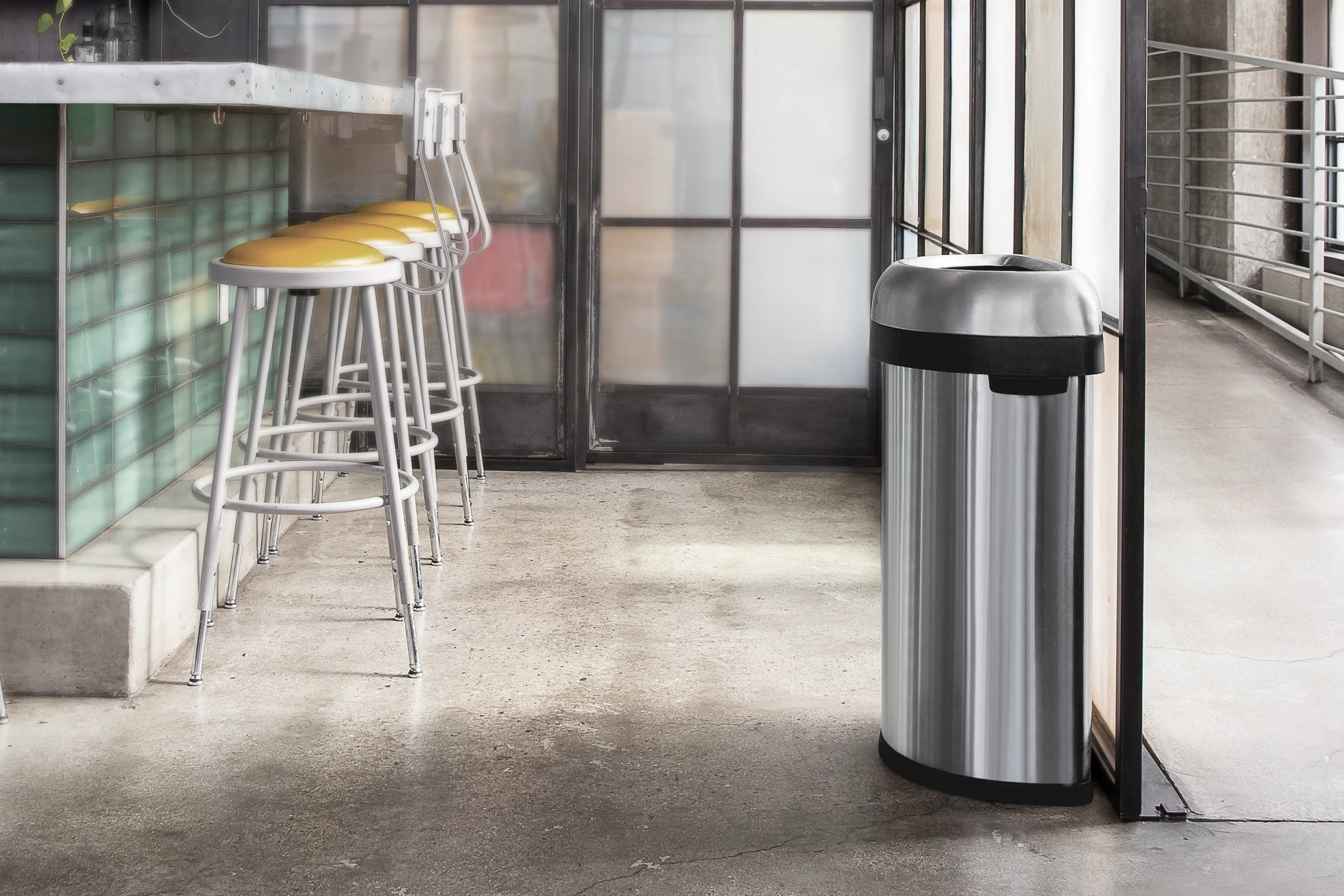
Simplehuman, founded in Torrance, California, in 2000, began trading in the UK in 2003 and sells through major retail and marketplace channels including Amazon, John Lewis, Argos, Costco, and Dunelm. Its product range includes design-led household items such as bins, soap dispensers, mirrors, and other everyday products positioned around performance and minimal design.
IPP will provide pooled wooden pallets across Simplehuman’s UK movements, supporting delivery into retail channels where product protection, booking accuracy, and load carrier quality are closely linked to service performance. The agreement gives Simplehuman a single pallet pooling partner as the brand continues to expand in the UK market.
Nigel Parker, UK distribution general manager at Simplehuman, said: “We sell high-end products, focusing on lifestyle experience and we needed a pallet pooler we could rely on to add value to our operations.
“We are eager to participate and assist any supplier in improving the process between us and that is something which is already working well with IPP.
“Their focus is always on understanding the customer rather than just being a supplier. There is always a human available on the phone and we know there will be someone there able to assist when we need it most, with no complexity and hidden costs.”
Retail pallet pooling depends on details that often become visible only when they fail. Pallet availability, pallet condition, booking-slot readiness, collection processes, invoice clarity, and issue resolution can all affect retailer service. A damaged or unavailable pallet is a small asset problem until it causes a missed delivery, a rejected load, or an urgent rework job in the warehouse.
Demi Crabbe, commercial director at IPP, said: “We pride ourselves on working with businesses where we share values and ambitions for long-term growth. Fostering lasting partnerships with businesses like Simplehuman is what sets us apart.
“It was a really important factor for Simplehuman to have high-quality customer service from their pallet pooler, where someone is always available on the phone within an hour to support with any issues.
“The quality pallets Simplehuman receive through IPP matches the high-quality, high-end products they sell. We are looking forward to supporting their development as a business as they expand further in the UK market.”
The contract strengthens IPP’s position in UK retail-linked supply chains, where reusable load carriers have become part of service reliability and sustainability planning. Pallet pooling reduces the need for one-way pallet purchasing and supports a circular model in which pallets are recovered, inspected, repaired where needed, and returned to circulation.
For Simplehuman, the operational requirement is shaped by the nature of its retail base. Supplying Amazon and high street retailers means working across varied inbound rules, booking systems, packaging expectations, service levels, and compliance requirements. A reliable pallet pooler removes one variable from that mix, particularly where premium boxed goods need to arrive in strong condition.
Load carrier quality also affects product presentation and damage risk. Premium homeware is not bulk commodity freight. Outer packaging damage, poor pallet condition, or unstable load presentation can create friction at retailer goods-in, increase rework, and weaken the customer experience further downstream. In that environment, pallet pooling becomes part of brand protection as well as transport execution.
The sustainability context is also changing how businesses view pallets and packaging. Packaging cost and recovery data are already under sharper scrutiny through EPR assessments, while reusable logistics assets are being drawn into wider waste and carbon planning. A pooled pallet system can support reuse, repair, and lower waste exposure, provided the recovery network is disciplined.
Service responsiveness appears to have been central to the supplier change. Simplehuman’s comments point to direct contact, rapid support, and reduced complexity as key factors. In a pooled system, human support remains important because exceptions cannot always be solved by portals or standard reports. Shortages, rejected pallets, collection disputes, and urgent customer requirements still need fast operational judgement.
IPP’s contract win also highlights the competitive pressure within pallet pooling. The sector may appear standardised, but suppliers compete on asset quality, network coverage, sustainability credentials, responsiveness, pricing clarity, and retailer compatibility. A premium retail supplier switching sole pallet provider shows that service experience can outweigh inertia in load carrier procurement.
As Simplehuman grows in the UK, the pallet operation will be judged by delivery consistency rather than the contract announcement. The value of the deal will sit in whether IPP keeps pallet supply reliable across retail peaks, channel variation, and day-to-day exceptions. A pooled wooden pallet is a basic asset; in retail logistics, its absence can still stop the movement.