IN Brief:
- Battery-electric van registrations remain below mandated levels despite growth in the UK charging network.
- Fleet operators still face constraints around depot charging, payload, vehicle availability, route planning, and cost.
- The gap between infrastructure progress and vehicle adoption is becoming a practical compliance issue for logistics operations.
SMMT registration data shows the UK electric van transition still running behind mandated levels, even as the public charging network continues to expand.
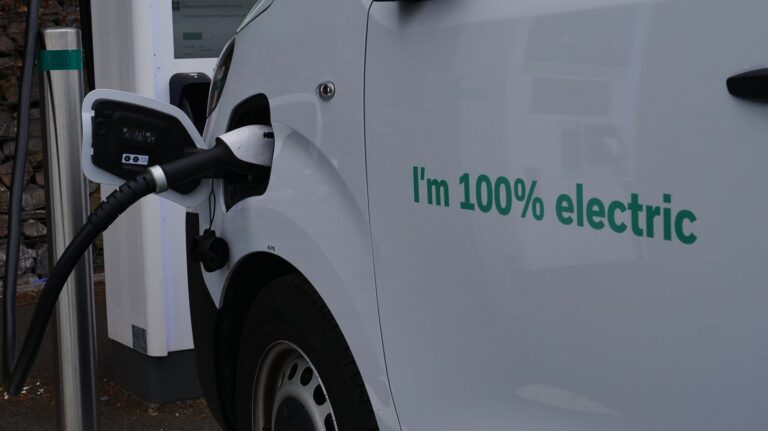
Battery-electric vans accounted for 9.9% of first-half registrations, well below the 24% target set under the zero-emission vehicle mandate. The figures expose a widening gap between infrastructure progress and commercial fleet adoption, with vehicle cost, payload, range, charging access, and operational reliability still shaping purchasing decisions.
Public chargepoint growth is useful, but commercial vehicles do not behave like private cars. Vans follow timed routes, carry weight, return to depots, and often operate on thin service margins. A charging network that works for passenger vehicles may be poorly aligned with delivery operations if chargers are unsuitable for vans, located away from routes, too slow, or unavailable during working hours.
Depot charging remains one of the hardest constraints. Many fleets need predictable overnight charging, yet installing sufficient power can involve grid connection delays, landlord approval, site redesign, capital expenditure, and operational disruption. Smaller businesses face a sharper version of the same problem because they may not own their premises or have the balance sheet to fund infrastructure before vehicle savings are proven.
Local funding can unlock part of the transition, although it also shows how fragmented the operating environment has become. Commercial vehicle grants in Birmingham are helping SMEs upgrade vehicles inside the city’s Clean Air Zone, but operators still have to navigate national mandates, local clean-air rules, grant windows, vehicle availability, and charging constraints at the same time.
Last-mile, retail, foodservice, engineering, and urban replenishment operations are likely to feel the pressure first because van fleets sit close to customers and city regulation. Many routes are suitable for electrification, especially where vehicles return to base and cover predictable daily mileage. Others remain harder, particularly where payload reduces range, vehicles operate double shifts, or drivers rely on ad hoc charging during the working day.
Payload can be more than a technical detail. Battery weight, body configuration, route conditions, and temperature all influence how much cargo a van can carry and how efficiently it can complete a round. A vehicle with sufficient range on paper may still be commercially weak if payload limits require extra vehicles, additional drivers, or a redesigned delivery schedule.
Cost pressure continues to slow adoption. Electric vans can offer lower running costs, reduced maintenance, and clean-air compliance benefits, but the upfront price premium remains significant. Residual values, insurance, battery confidence, charging tariffs, and downtime risk all influence the total cost calculation. In a market already dealing with wage costs, fuel volatility, and customer service expectations, operators are reluctant to carry transition risk without clearer payback.
Replacement cycles add another layer of friction. The ZEV mandate pushes supply and adoption in a set direction, while fleet investment decisions are usually planned across several years. Businesses with relatively new diesel assets may delay switching until the economics improve, while others may trial electric vans on selected routes before wider deployment. Operational caution can be rational even when policy requires faster aggregate adoption.
Operational data will become increasingly important as fleets move beyond trial deployments. Route density, dwell time, payload variation, driver behaviour, charger availability, and maintenance patterns all affect whether electric vans deliver the expected savings. Without that evidence, businesses may either delay viable transitions or switch too quickly into routes where the operating case is still weak.
Charging infrastructure needs to become more commercial-vehicle aware. That means larger bays, safe access for vans, faster charging where routes demand it, depot support, grid coordination, and planning rules that recognise freight movements. Public charger counts can rise while fleet confidence remains limited if the infrastructure does not fit working vehicles.
The electric van transition is moving, but the pace is uneven. Early adopters have shown that the model can work on the right routes with the right infrastructure. The next stage is harder because it involves mixed fleets, SMEs, rented depots, heavier payloads, and more complex duty cycles. Charging growth helps, but adoption will accelerate only when the operating model feels as reliable as the regulation is demanding.