IN Brief:
- The monthly MGR service will connect two Indian ports with the UAE, Oman, and Yemen.
- A vessel of approximately 1,100 TEU will operate the six-port rotation.
- Direct calls will create another option for industrial, food, and general containerised cargo across the Arabian Sea.
Marsa Ocean Shipping is introducing a monthly container service between India, the Gulf, and Yemen, adding a direct regional rotation across the Arabian Sea.
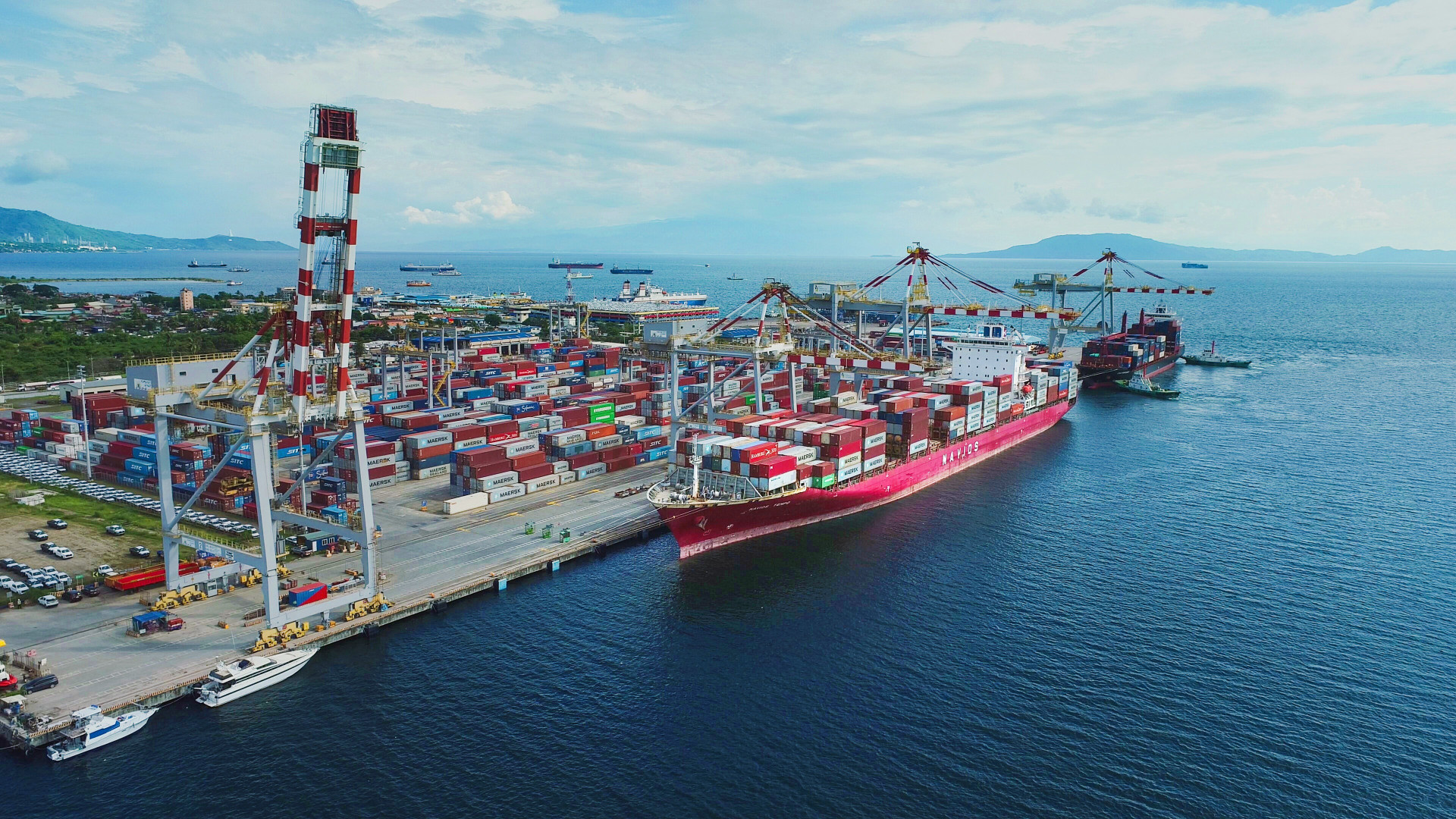
The MGR service will call at Cochin, Nhava Sheva, Fujairah, Sohar, and Aden before returning to Cochin. A single vessel with capacity of approximately 1,100 TEU will operate the route, extending Marsa Ocean’s regional network across Indian, Gulf, and Red Sea markets.
Nhava Sheva connects the service with Mumbai, Maharashtra’s industrial base, and inland production centres across western and central India. Cochin adds access to exporters in Kerala and southern India, including food, seafood, spices, rubber products, chemicals, machinery, and general manufactured goods.
Fujairah provides a UAE gateway outside the Strait of Hormuz and supports an established maritime-services and logistics market, while Sohar serves one of Oman’s principal industrial and port clusters. Aden completes the rotation with a direct call into Yemen near the southern entrance to the Red Sea.
The service offers an alternative to routings that depend on transhipment through a larger regional hub. Removing an interchange can shorten the chain of terminal handling, feeder connection, documentation, and container transfer, particularly where cargo would otherwise wait for an onward sailing.
Fewer handovers can reduce exposure to missed connections and handling damage, although the benefit depends on schedule reliability. A direct call loses much of its value when a monthly departure is delayed far enough to interfere with production, inventory, or customer delivery plans.
The monthly frequency creates a narrow booking cycle compared with weekly or fortnightly services. Exporters will need to align factory completion, documentation, inland transport, and terminal cut-offs carefully because a missed sailing may leave cargo waiting several weeks for the next departure.
That limitation can still be workable for regular industrial, food, construction, and consumer-goods flows when volumes are planned in advance. Smaller regional services often compete through useful port combinations and fewer transfers rather than the frequency and scale offered by global mainline networks.
Capacity on India–Gulf trades has been rebuilding after periods of regional disruption and tight equipment availability. Rates have softened as vessels and slots returned, a shift examined in the recent easing of India–Gulf container prices. Marsa Ocean’s new rotation adds another layer of competition while giving shippers a direct product covering ports that are not always grouped within the same service.
Commercial performance will depend heavily on balancing cargo across the voyage. Indian exports may produce stronger loaded volumes on some legs than return cargo from Yemen or the Gulf, requiring Marsa Ocean to manage empty containers without allowing repositioning costs to undermine the service.
Equipment location will consequently be as important as vessel space. Exporters require the right container types at Cochin and Nhava Sheva before each monthly cut-off, while food, chemical, and project shipments may need equipment meeting additional condition or certification requirements.
Aden introduces a valuable direct market but also adds operational uncertainty. Security conditions, insurance requirements, port access, regional conflict, and changes to Red Sea routing can alter schedules quickly, leaving the carrier to preserve customer communication and alternative arrangements when a call cannot proceed as planned.
The Gulf calls provide potential recovery options because Fujairah and Sohar are connected with wider regional and international networks. Cargo can be transferred or redirected when necessary, although doing so reintroduces the handling and connection risks that the direct product is intended to reduce.
Port productivity will also influence whether one vessel can maintain the monthly rotation. Delays at an early call carry through the entire circuit, and the schedule contains little spare capacity if congestion, weather, documentation, or berth availability interrupts several ports in succession.
Regional trades increasingly sit between large ocean alliances and specialised feeder operations. Manufacturers need access to global networks, but many origin-and-destination pairs do not generate enough cargo for large mainline vessels, leaving smaller operators to connect industrial clusters with regional hubs and secondary markets.
Marsa Ocean’s position will therefore rest on execution rather than vessel size. Predictable departures, available containers, clear documentation, and dependable direct calls would give the MGR service a defined role across the Arabian Sea; a monthly timetable that slips repeatedly would leave shippers returning to less direct but more frequent alternatives.