IN Brief:
- The 36,000m² depot provides container storage, handling, inspection, repair, and inland distribution services.
- SITC now jointly operates five Vietnamese depots with a combined area of approximately 450,000m².
- The Da Nang site closes a network gap between established operations in northern and southern Vietnam.
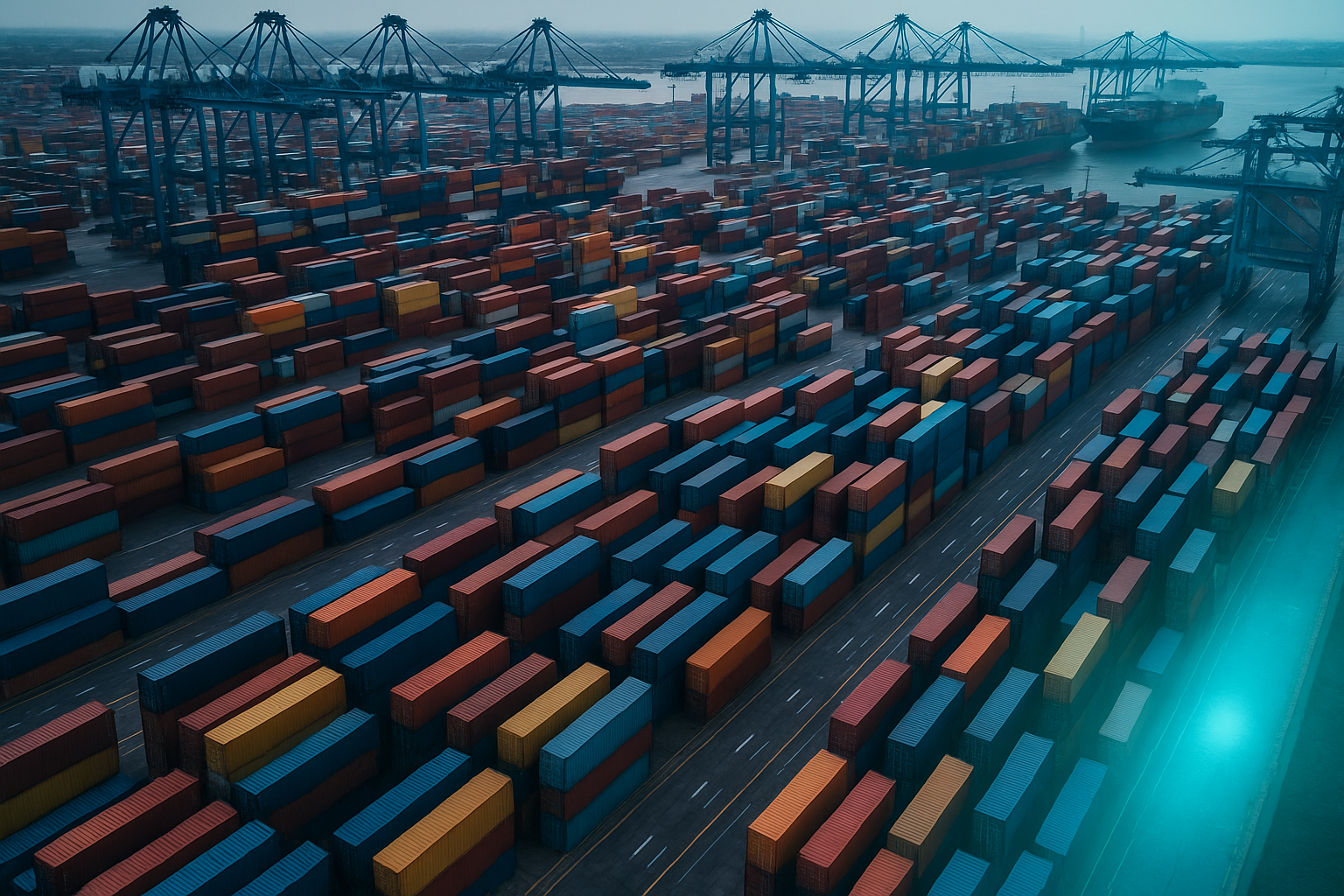
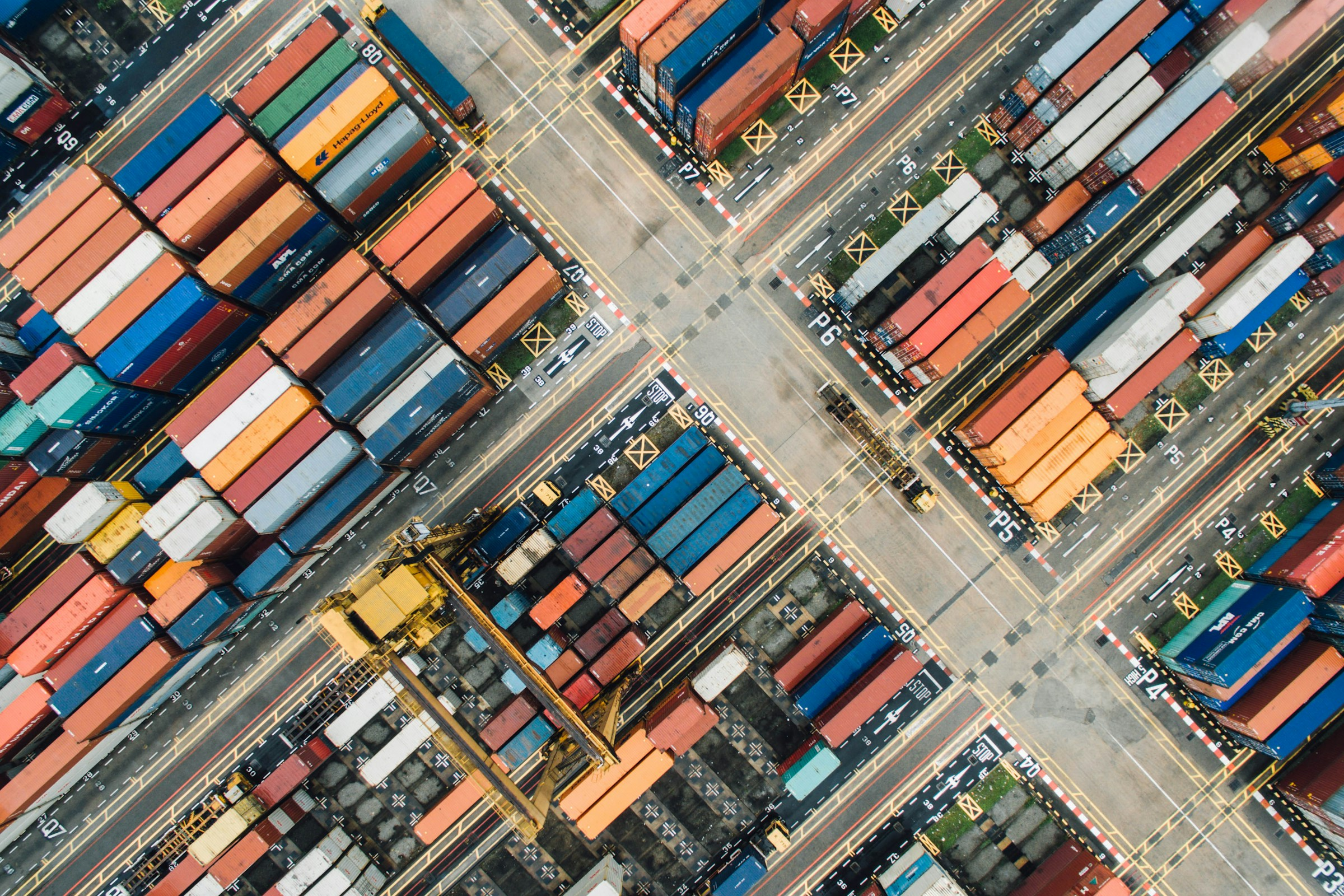
SITC has opened a 36,000m² container depot in Da Nang, establishing a central Vietnamese base for equipment storage, handling, maintenance, and inland distribution.
Developed through a joint investment between SITC Logistics and Da Nang Depot, the facility extends the group’s operating footprint between its established northern and southern networks. Shipping lines, freight forwarders, cargo owners, and local manufacturers will be able to use the site for empty and laden container storage, equipment inspection, repair, and onward movement.
SITC now jointly invests in and operates five container depots in Vietnam through partnerships involving Ho Chi Minh New Port, Giangnam Depot, Dinh Vu Port, Haiphong Port, and Da Nang Depot. Together, the facilities cover approximately 450,000m² and reach the country’s principal northern, central, and southern production and trade zones.
Da Nang occupies an increasingly useful position within that network. The city sits at the eastern end of the East–West Economic Corridor, connecting Vietnam’s central coastline with inland markets and production areas extending towards Laos, Thailand, and Myanmar, while its port infrastructure serves manufacturers and agricultural exporters across the surrounding region.
Although northern and southern Vietnam continue to dominate the country’s largest industrial and consumption clusters, manufacturing investment has become more geographically dispersed. Central provinces offer land, labour, and port access outside the most congested established centres, but their competitiveness depends on dependable equipment availability and shorter inland connections to international services.
The new depot gives SITC more control over container positioning within that developing cargo base. Exporters can have factory capacity and shipping bookings in place yet still lose time when the required equipment is unavailable locally, particularly when food-grade containers, specific sizes, or specialist units must be repositioned over long distances.
Inspection and repair capacity should also shorten the period during which damaged containers remain unavailable. Equipment that cannot be returned quickly to service consumes yard space, creates additional empty movements, and tightens supply during periods of stronger export demand.
As Asia-Pacific freight networks are redrawn around geopolitical disruption, shifting production, and altered shipping schedules, additional depot capacity gives operators more options for recovering from late vessels, production delays, and mismatched import and export flows. The physical yard provides the buffer, while equipment data and coordinated release processes determine how efficiently that space is used.
Gate scheduling, electronic documentation, equipment identification, and live inventory records can reduce manual handovers between the depot, haulier, carrier, and cargo owner. None of those systems creates additional boxes, but together they can prevent usable equipment from sitting unseen while an exporter waits for a container elsewhere in the network.
The commercial performance of the depot will depend heavily on balanced cargo flows. Central Vietnam may generate rising export volumes, although an export-heavy pattern can leave operators repositioning empty containers into the region without sufficient loaded traffic moving in the opposite direction. Forecasting, interchange agreements, and coordination across SITC’s five depots will determine whether the additional capacity improves circulation or merely spreads idle equipment across more locations.
Closer equipment storage can also reduce unproductive road mileage. Containers positioned near manufacturers require fewer empty journeys from distant depots, lowering transport cost, driver time, and fuel consumption, although those gains diminish quickly when cargo volumes fluctuate or boxes must be moved repeatedly between yards.
Vietnam’s wider logistics market is developing around the same need to connect industrial investment with ports and inland infrastructure. Comparable efforts to bring private capital into inland depots, terminals, and freight corridors elsewhere in Asia reflect a regional shift towards treating logistics capacity as part of manufacturing policy rather than an activity left to expand after factories arrive.
For SITC, the Da Nang opening extends control beyond the vessel and into the landside equipment cycle that precedes every export booking. Reliable container supply, faster repair, and coordinated inland movement can improve vessel utilisation and booking performance before cargo reaches the quay.
Central Vietnam now has a larger platform on which to build those flows. Sustained manufacturing and agricultural growth would turn the site into a significant equipment and inland-distribution node; weaker or uneven volumes would leave SITC relying on its broader network to keep the yard productive and prevent empty-container stocks from accumulating.