IN Brief:
- Port and regional stakeholders are developing a direct rail connection between Abruzzo and Gioia Tauro.
- The corridor would support outbound manufactured goods and inbound raw materials and semi-finished products.
- Existing services from Gioia Tauro to Nola, Bologna, and Bari provide an operating base for expansion.
The Port Authority of the Southern Tyrrhenian and Ionian Seas is advancing plans for a direct rail connection between Gioia Tauro and Abruzzo’s industrial and logistics base.
Port officials, railway specialists, regional representatives, and freight stakeholders have been examining a corridor centred on the D’Abruzzo interport at Manoppello. The proposed service would connect factories in Central Italy with the deep-sea container networks operating through Gioia Tauro.
Southbound trains could carry finished manufactured goods towards the port, while northbound services could move raw materials and semi-finished products into Abruzzo. Building viable flows in both directions would improve wagon and container utilisation while limiting the cost of empty returns.
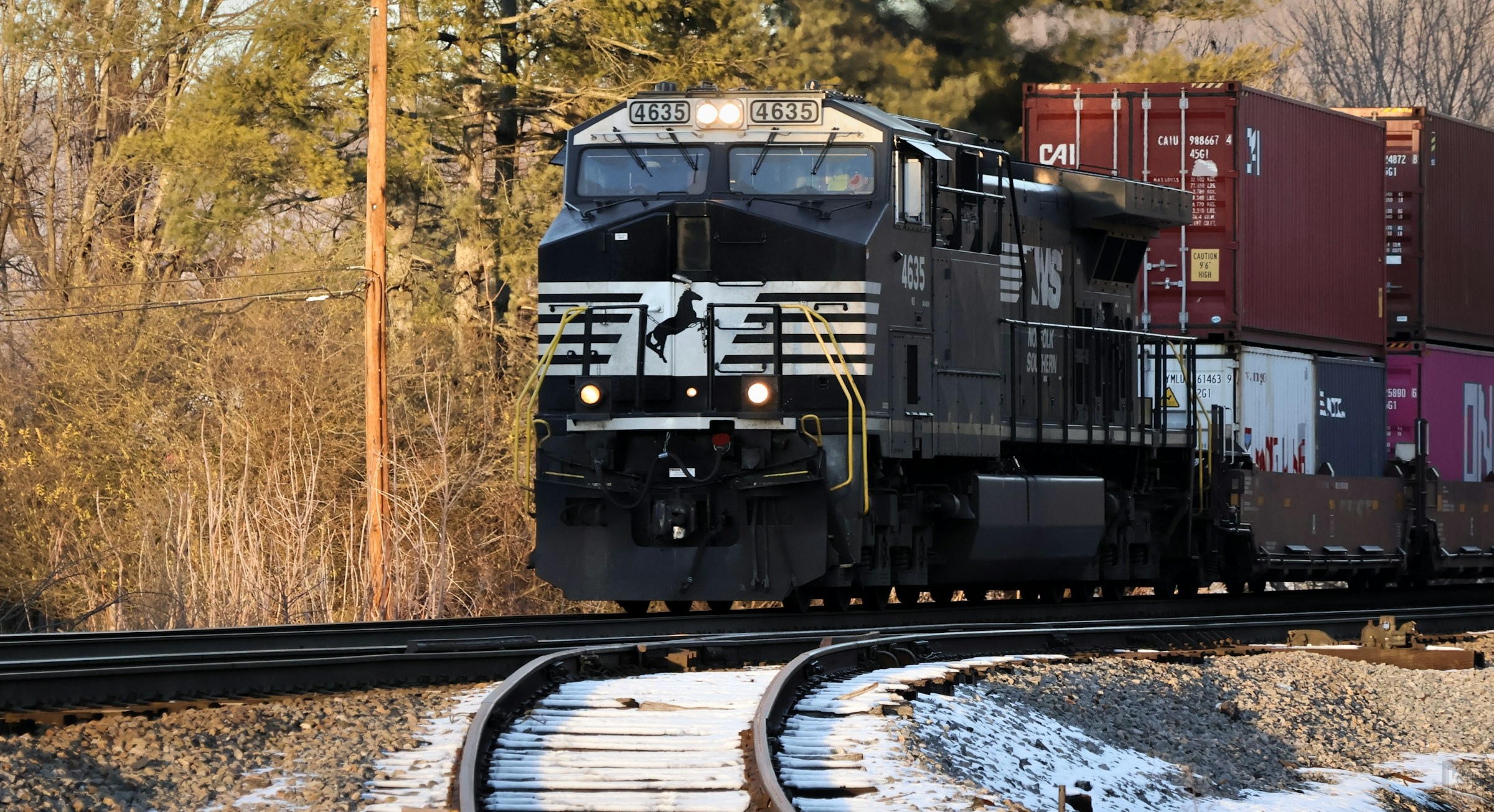
The discussions follow earlier engagement between the two regions and build on Gioia Tauro’s developing inland rail network. Daily connections already link the terminal with Nola and Bologna, while a newer service has extended rail access towards Bari.
Gioia Tauro ranks among the Mediterranean’s largest container transhipment hubs, although much of its traffic moves between vessels rather than entering or leaving Italy through the port’s hinterland. Stronger inland rail services would increase the proportion of gateway cargo connected directly with Italian production and consumption.
Abruzzo supports automotive, engineering, food, pharmaceutical, chemical, packaging, glass, building-material, and machinery production. Many of those industries generate regular container volumes but sit outside the immediate hinterlands of Italy’s largest northern gateways.
A southern route could diversify access to international shipping services, reducing dependence on a limited group of ports and corridors. Alternative gateway capacity becomes valuable when congestion, industrial action, weather, rail disruption, or vessel-network changes affect established northern and Adriatic routes.
The commercial case rests on concentrating enough cargo around Manoppello to support dependable trainloads. Rail freight performs best when containers can be assembled into regular, balanced services, giving the inland terminal a role in consolidation, storage, customs, and onward road distribution rather than functioning as a simple transfer point.
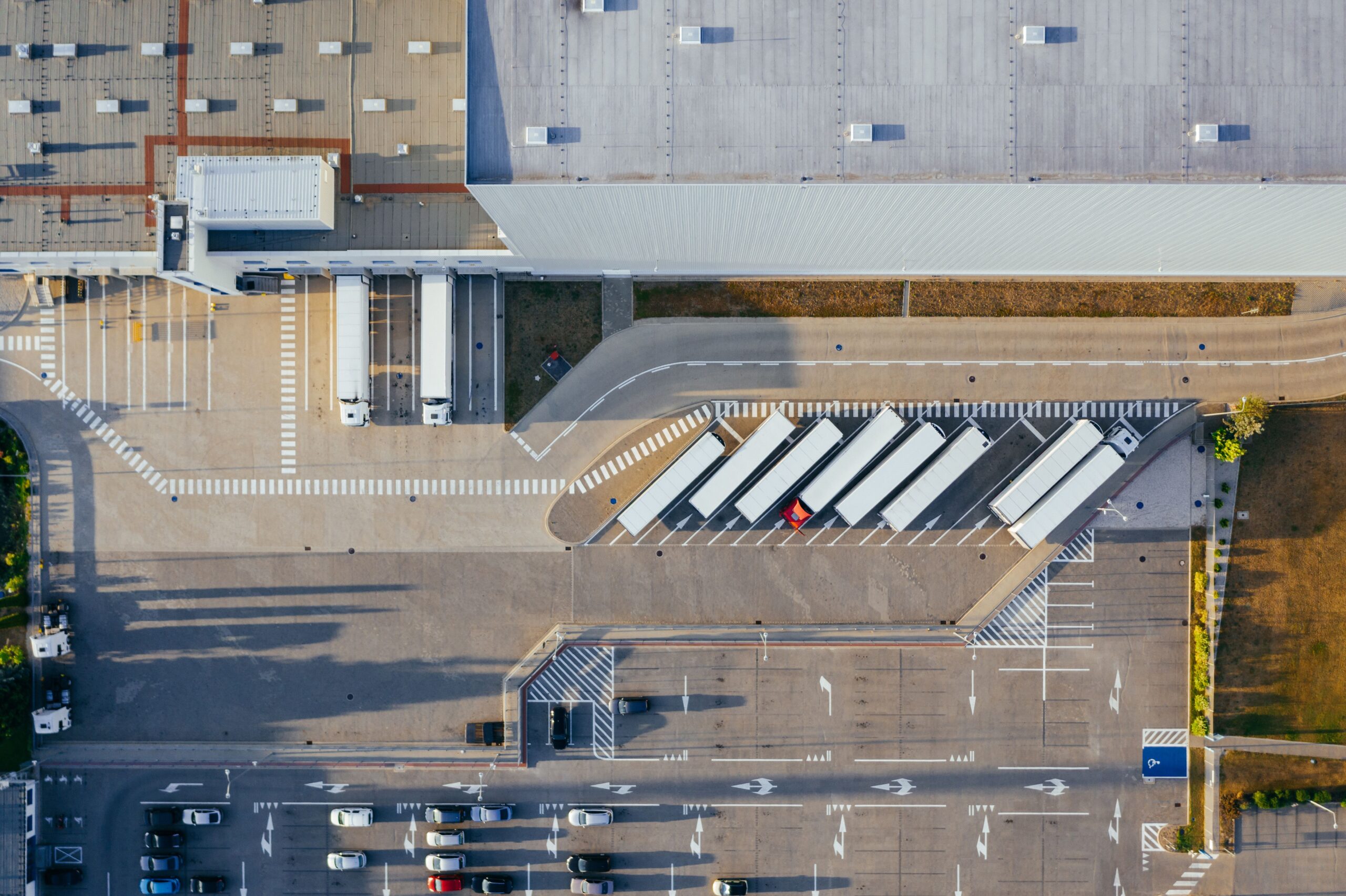
Road transport will remain essential at both ends because most factories cannot load containers directly onto trains. Efficient truck reception, gate processing, lifting, short-term storage, and train assembly must prevent the interport from adding enough dwell time to erase the advantage gained on the long-distance rail leg.
Fixed rail timetables will compete with the flexibility offered by direct road haulage. Manufacturers may accept less frequent departures when the service provides reliable vessel connections, lower long-distance road exposure, or more predictable capacity, but missed cut-offs and variable transit times would quickly weaken that trade-off.
Equipment balance presents another constraint. The container types required for Abruzzo’s exports may differ from those arriving with raw materials, leaving shipping lines and logistics providers to reposition boxes unless cargo can be matched across the corridor.
Commodity patterns will also influence train design. Food and pharmaceutical products may require refrigerated equipment, chemicals can need specialist handling, and machinery or automotive cargo may produce heavier or out-of-gauge loads that affect wagon allocation and terminal lifting.
European modal-shift policy supports the transfer of freight from road to rail, but environmental objectives alone rarely sustain a service. Rail gains durable volume when it improves cost, capacity, resilience, or market access sufficiently to change annual transport contracts and factory dispatch planning.
Gioia Tauro’s maritime scale gives the corridor access to a broad range of deep-sea services, while Abruzzo supplies an industrial cargo base capable of supporting two-way flows. The connection would also strengthen the port’s position within Italy rather than leaving it primarily dependent on transhipment between international vessels.
Moving from discussions to operation will require a named rail provider, terminal slots, departure frequency, equipment plans, prices, vessel connections, and commitments from cargo owners. Without those elements, the corridor remains an infrastructure proposition rather than a transport product.
The strongest version of the project would give manufacturers a repeatable route from factory gate to deep-sea service, with the interport, railway, and port working to one timetable. Gioia Tauro has the maritime capacity, and Abruzzo has the industrial demand; the decisive task is joining them without adding another unreliable handover.