IN Brief:
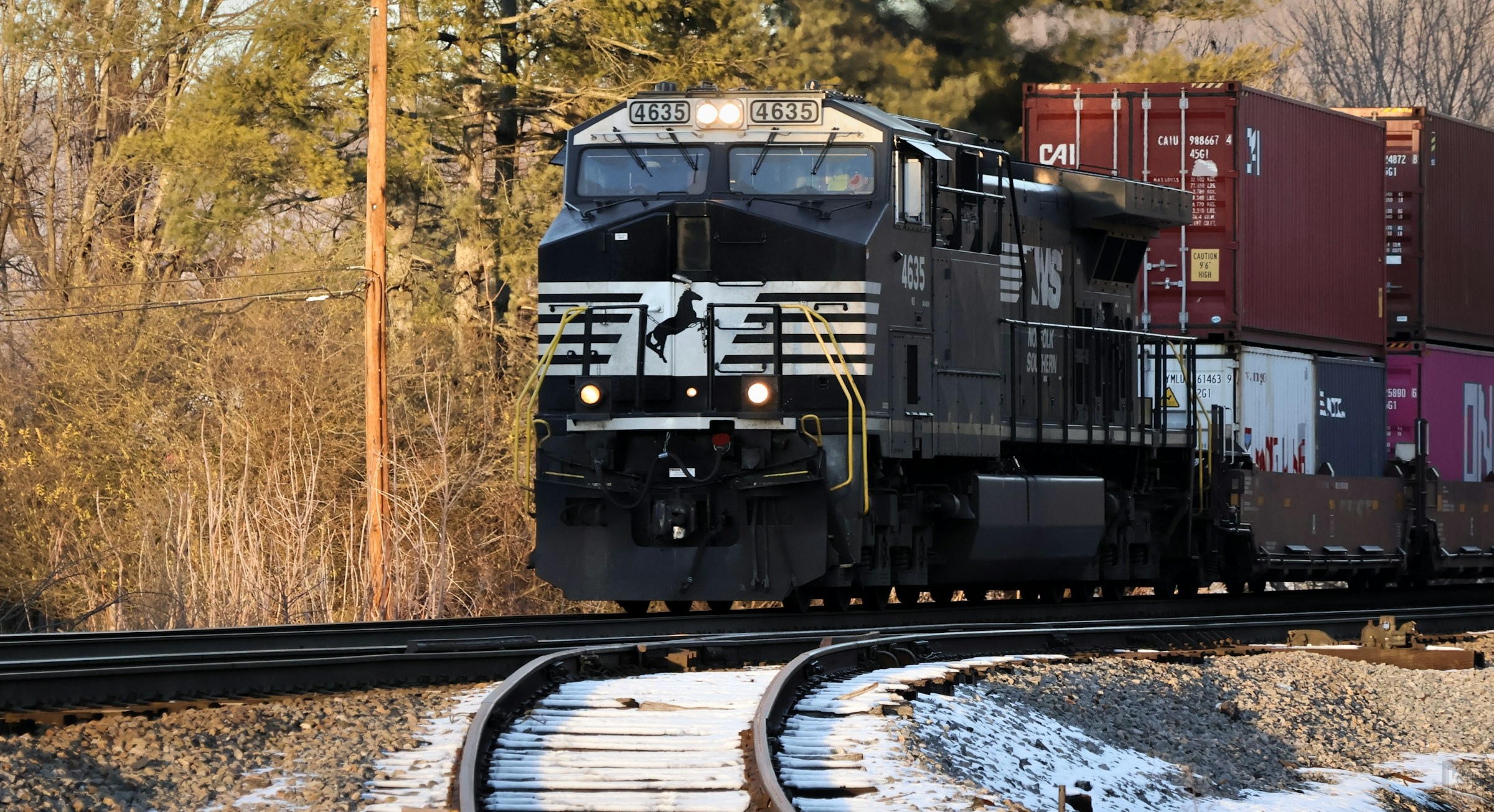
- The first dedicated block train has departed ICD Kishangarh for Mundra Port.
- Target cargo includes marble, granite, ceramics, engineered stone, solar equipment, and manufactured goods.
- The service gives Rajasthan exporters a more predictable alternative to long-distance road haulage.
Adani Logistics has launched a dedicated block train between its inland container depot at Kishangarh in Rajasthan and Mundra Port, creating a direct rail route for stone, ceramics, solar equipment, and other industrial exports.
Developed with Gold Star Line and Shree Patni Logistics, the service links one of Rajasthan’s principal production clusters with international container services on India’s western coast. The first departure establishes a scheduled alternative to moving the entire inland leg by road.
Kishangarh is closely associated with India’s marble and natural-stone industries, while its wider industrial catchment also produces granite, engineered stone, ceramics, solar components, and manufactured goods. These cargoes are frequently heavy, containerised, and highly sensitive to inland transport cost, even when their delivery dates are less urgent than those of higher-value products.
A block train travels as a complete unit between its origin and destination rather than being separated and reassembled at intermediate yards. Fewer handling points can reduce delay and equipment damage, while a defined departure schedule allows exporters to align production, packing, customs activity, and container delivery with vessel cut-offs at Mundra.
That predictability carries considerable value on a route where one missed sailing can leave cargo waiting for another vessel while storage, detention, and working-capital costs continue to accumulate. Headline rail transit is only one component; exporters also need empty containers, depot appointments, customs clearance, terminal acceptance, and sufficient margin before the booked ship closes.
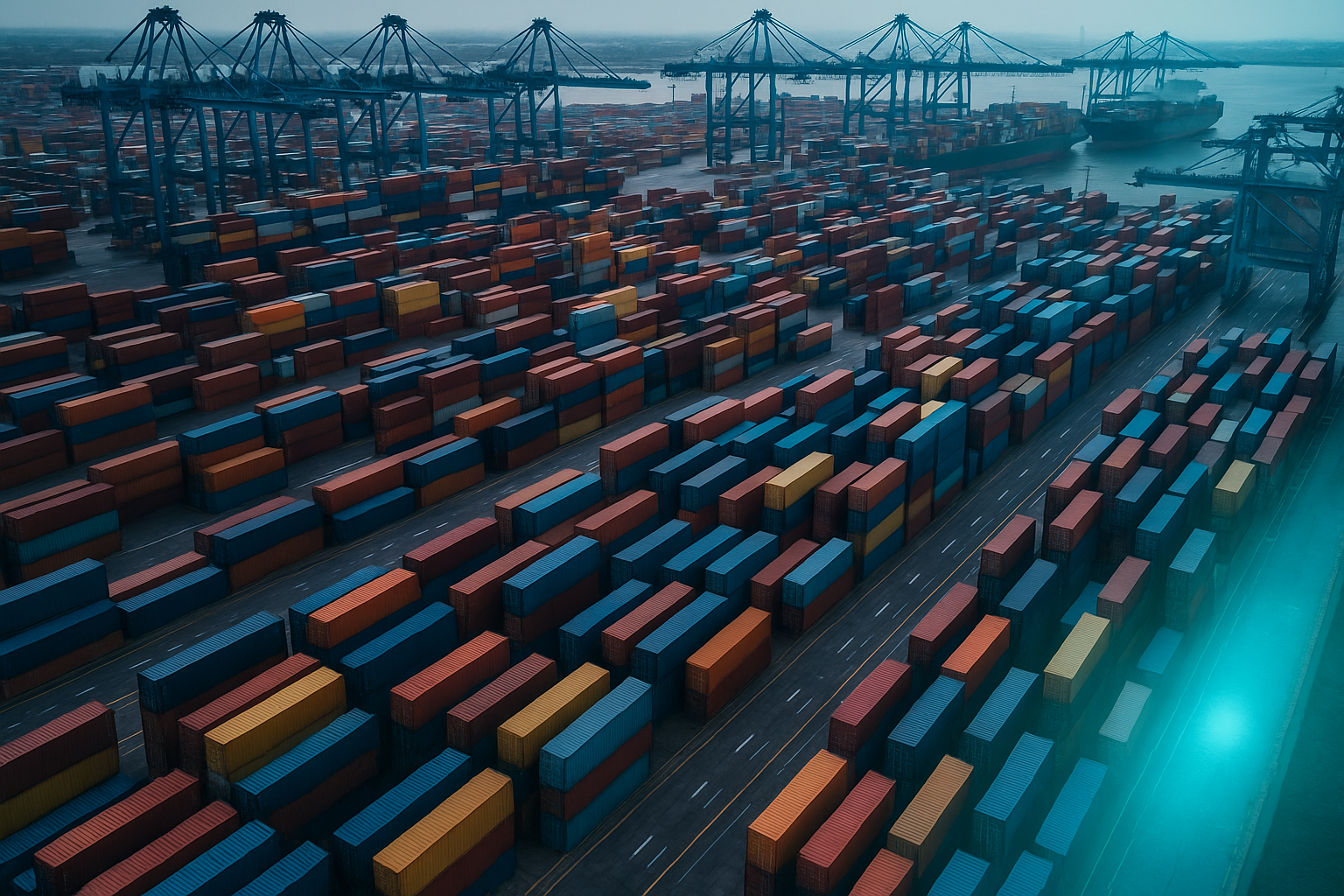
The new service concentrates the long-haul movement on rail, although road transport will remain necessary between individual factories and ICD Kishangarh. At the coastal end, direct connection with Mundra reduces the number of separate movements required before a container enters the port system.
Rising container-handling charges at Mundra have sharpened scrutiny of total door-to-port cost, particularly among exporters of dense cargo whose logistics bill represents a substantial proportion of the delivered price. The rail service cannot remove terminal charges, but it can make the inland element more stable and reduce exposure to long-distance trucking volatility.
Exporters increasingly assess the complete movement rather than comparing a train rate with a truck rate in isolation. Container positioning, origin handling, customs processing, cut-off performance, terminal dwell, and the probability of loading onto the booked vessel can outweigh a modest difference in the quoted trunk-transport price.
Rail capacity also reduces pressure on India’s road network, where congestion, driver availability, fuel prices, and restrictions on heavy vehicles can make transit times difficult to predict. A single block train can replace numerous long-distance truck journeys, although the benefit depends on keeping departures well utilised and coordinating road arrivals at the inland depot.
The emissions profile follows the same operational pattern. Rail generally uses less energy per tonne moved over long distances, but train utilisation, locomotive efficiency, empty repositioning, and the length of road legs at either end determine the final reduction. Underfilled trains or large volumes of empty equipment would weaken both the commercial and environmental case.
India’s investment in multimodal freight corridors, inland depots, private terminals, port rail links, and digital cargo processes is intended to reduce the friction between manufacturing centres and coastal gateways. Production efficiency inside a factory offers limited protection when unreliable inland transport consumes the time and margin saved on the line.
Scheduled freight gives factories a more definite operating rhythm. Production can be released against known departures, containers can be packed in planned sequences, and shipping bookings can be made with greater confidence that cargo will reach the terminal before the cut-off.
Mundra also gains a wider inland catchment from the service. Ports increasingly compete through the reach and dependability of their rail and road networks rather than through quay capacity alone, and scheduled links allow a gateway to draw cargo from production centres hundreds of kilometres away.
The principal commercial challenge will be securing balanced and repeatable volume. Rajasthan’s strong export base can support outbound departures, but weaker import flows towards Kishangarh may leave containers and rail capacity moving back empty. Adani Logistics, its shipping-line partner, and regional freight operators will need to coordinate equipment supply and identify suitable return cargo.
Frequency and punctuality will ultimately determine whether the route becomes part of exporters’ regular planning. A reliable weekly or multiweekly train can influence inventory, manufacturing, and booking decisions; an irregular service remains a useful option but cannot displace established road arrangements at scale.