IN Brief:
- Six sites serving Asda, Sainsbury’s, and Co-op will transfer to DP World in September.
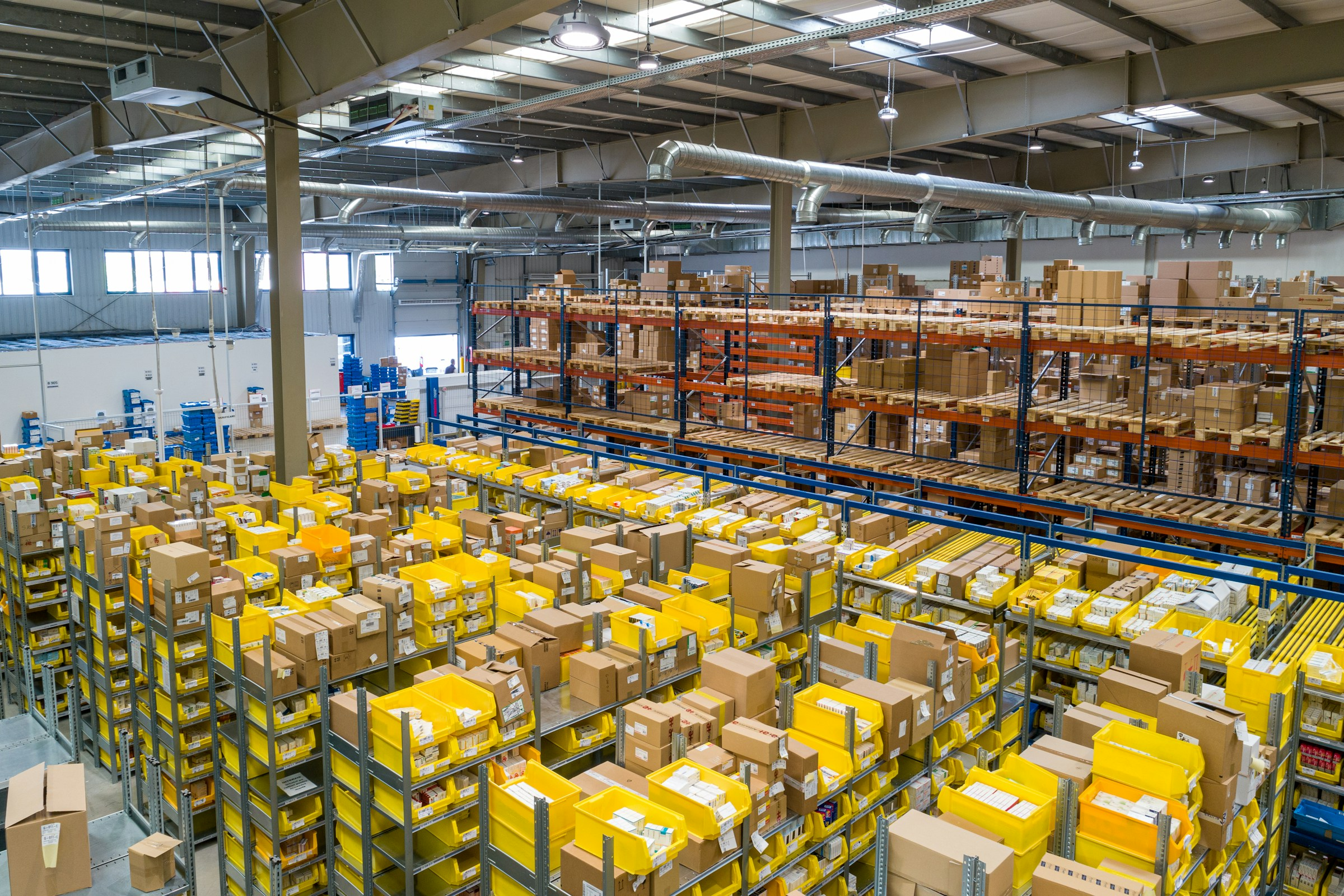
- The facilities provide more than two million square feet of ambient, chilled, frozen, and bonded warehousing.
- Separating warehouse and transport ownership will make operating interfaces central to the transition.
DP World will take over six UK grocery logistics sites from GXO Logistics in September, adding more than two million square feet of warehouse capacity and approximately 2,000 employees to its domestic contract logistics operation.
The facilities are in Doncaster, Rochdale, Charlton, Greenford, Wellingborough, and Larne. Five are in England and one is in Northern Ireland, and together they serve Asda, Sainsbury’s, and Co-op.
The buildings provide ambient, chilled, frozen, and bonded storage, supporting around 46,000 product lines distributed to formats ranging from large supermarkets to convenience and neighbourhood stores. GXO will retain transport operations at applicable locations after the warehouse transfer.
The transaction is not a conventional portfolio purchase assembled solely around expansion. Divestment of the sites was a regulatory condition attached to the Competition and Markets Authority’s approval of GXO’s acquisition of Wincanton.
The remedy followed concerns about competition in dedicated grocery warehousing, where contracts are large, operationally complex, and difficult to replace quickly. DP World now becomes responsible for turning that structural remedy into a credible alternative for major grocery customers.
Angela Howard, vice-president of contract logistics for North Europe at DP World, said: “For our customers, it will be business as usual.” The phrase sets the appropriate test because these are live, temperature-controlled operations that cannot pause while ownership, systems, and employment arrangements are transferred.
Grocery logistics combines high volumes with narrow tolerances. Ambient products may move through dense storage and picking operations, while chilled and frozen goods require stable temperatures, disciplined loading-door control, and rapid responses to refrigeration or power failures.
Bonded storage introduces another set of controls around customs status, access, and record keeping. The portfolio therefore adds more than floor space: it brings several operating regimes that must continue functioning through the handover.
The separation of warehousing and transport will require particularly clear interfaces between DP World and GXO. Inventory availability, loading sequences, trailer arrival times, temperature records, and dispatch exceptions need to move between the two companies without creating uncertainty over responsibility.
A late departure can begin with a picking delay, a missing pallet, or an unavailable loading bay before appearing as a transport failure. Shared performance measures and escalation procedures will be needed if problems are to be resolved rather than passed between organisations.
Retail customers will be watching availability, promotional peaks, short-life stock, and seasonal planning. Even a controlled handover requires system permissions, supplier access, operating procedures, employment arrangements, and contingency plans to be tested before September.
The workforce transfer is equally significant. The employees joining DP World carry local knowledge of product flows, shift structures, customer requirements, recurring bottlenecks, and the practical compromises needed to keep each facility operating during demand peaks.
Replacing that experience with new processes too quickly would create unnecessary risk. DP World must standardise enough to connect the sites with its wider network without discarding the operational knowledge that made the facilities viable under their previous owner.
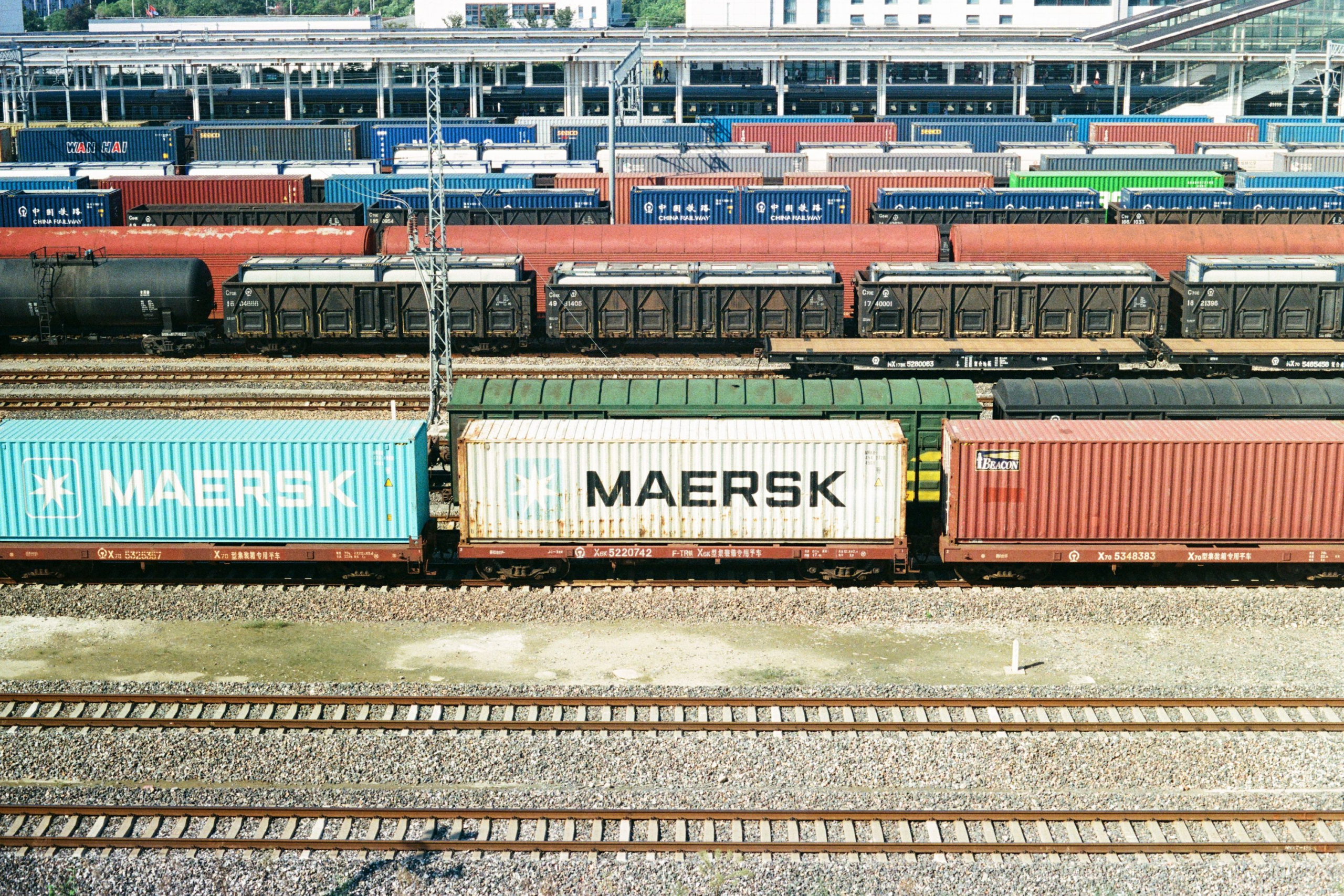
The acquisition broadens DP World’s UK position beyond its container terminals at London Gateway and Southampton. It moves the group further into dedicated customer operations where service is measured through order accuracy, product condition, inventory control, and departure performance rather than container throughput alone.
DP World’s strategic case rests on integration. The company operates ports, freight forwarding, marine services, and warehousing, giving it the potential to connect imports with inland storage and distribution through fewer commercial handovers.
Common ownership does not automatically create an integrated supply chain. Systems, operating teams, contracts, and performance data still need to work together, otherwise the customer receives several DP World services that remain operationally separate.
The condition and capacity of refrigeration systems, materials-handling equipment, warehouse software, racking, and loading infrastructure will also shape the investment requirement. Improvements will have to be sequenced around continuous grocery operations because the buildings cannot simply close while integration catches up.
The September transfer is therefore only the first milestone. DP World must move six sites and thousands of employees into its organisation without disrupting daily grocery flows, while establishing reliable interfaces with the transport activity GXO retains.
More than two million square feet is a substantial addition to the network. Grocery customers, however, will judge the transaction through stock availability, temperature control, order accuracy, and whether the correct trailer leaves at the correct time.