IN Brief:
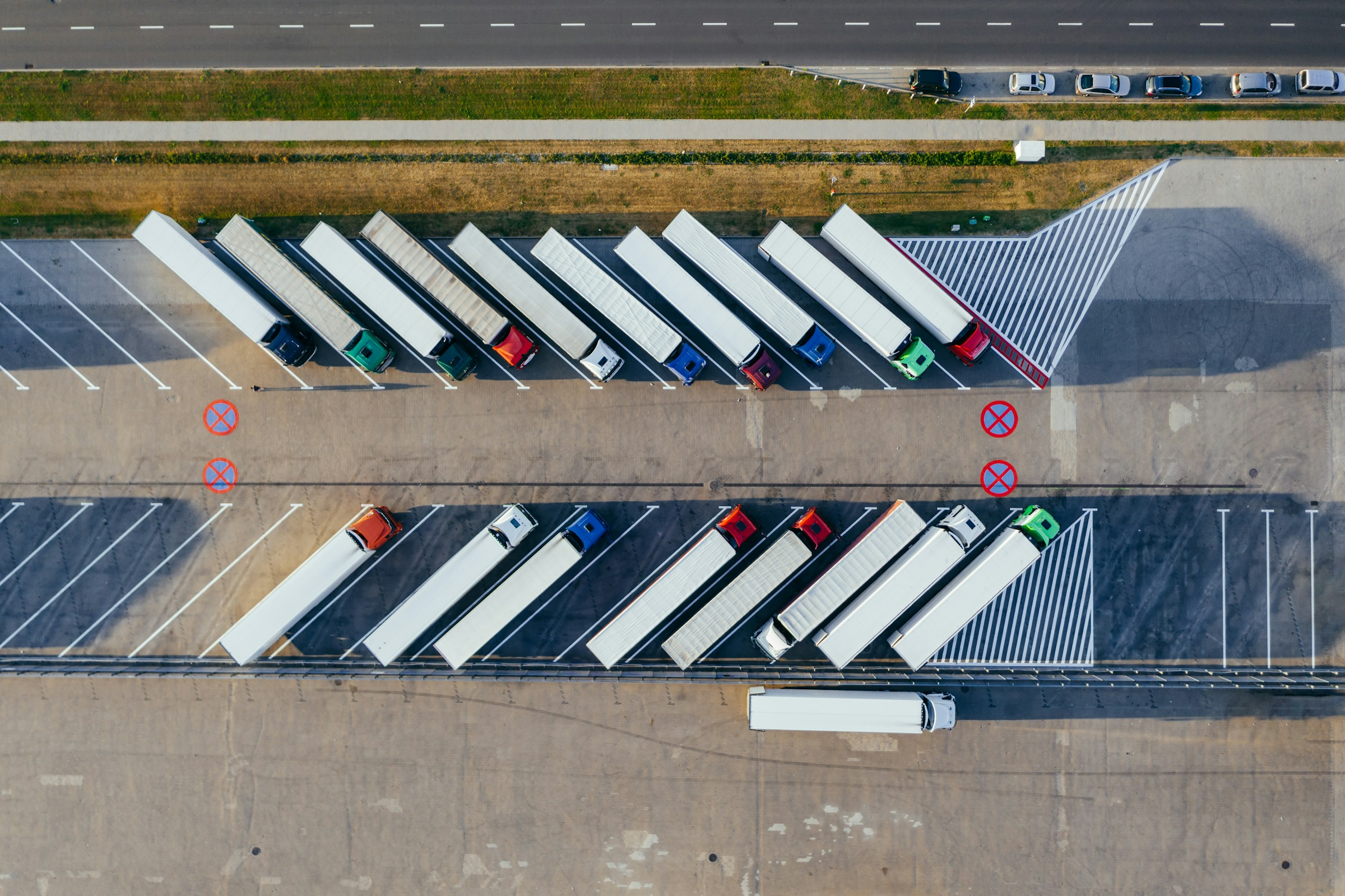
- Trailer Freight currently operates approximately 20 vehicles and ten trailers.
- The company plans up to ten additional vehicles, including three further dual-branded trailers.
- Maintaining delivery performance above 99% will depend on planning, utilisation, and warehouse control as capacity expands.
Trailer Freight International plans to introduce up to ten additional vehicles over the coming months as the West Bromwich haulage and pallet distribution business extends its fleet.
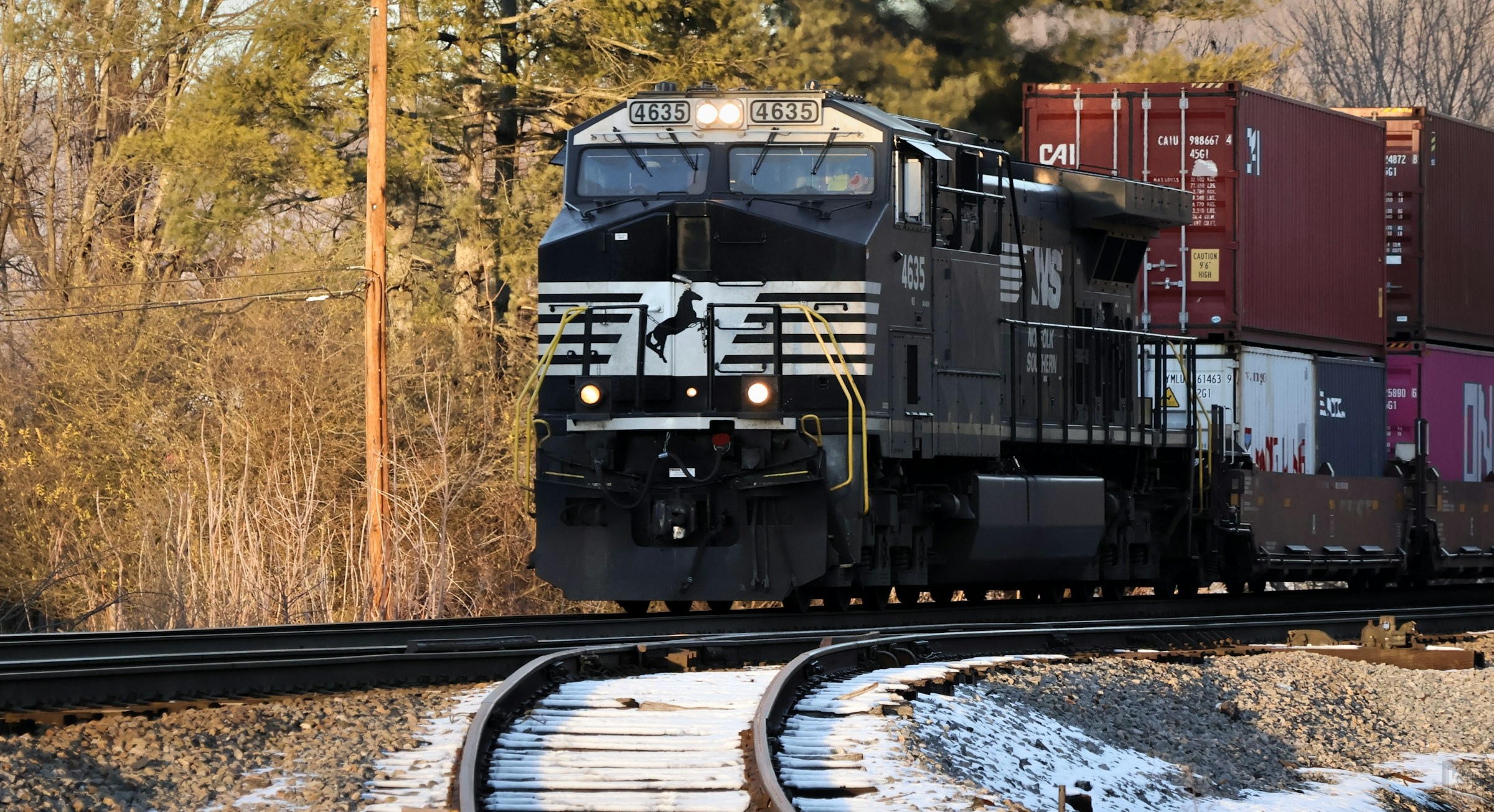
The company currently operates approximately 20 vehicles and ten trailers. Three double-deck trailers carry dual Trailer Freight and Pallet-Track branding, and a further three dual-branded trailers are included in the planned investment.
Trailer Freight joined Pallet-Track as a shareholder member in 2021. The Wolverhampton-based pallet network brings together more than 90 independent logistics and haulage companies to exchange freight for onward delivery across the UK.
The three existing trailers were manufactured by Don-Bur and configured for Pallet-Track distribution work. Sapphire Curtains produced and installed the dual-branded curtains, while the double-deck layout provides additional loading capacity on suitable trunk movements.
The wider investment follows a year in which Trailer Freight received platinum status from Pallet-Track after recording delivery performance above 99%. The business was also highly commended in the network’s outstanding growth category.
Allan Collins, director at Trailer Freight International, said: “This investment forms part of a wider fleet expansion strategy.” He said the additional dual-branded equipment would reinforce the company’s longer-term commitment to the pallet network.
Trailer Freight was established in 1983 and has operated under the ownership of Northern Ireland-based Express Distribution Services since 2015. Recent changes extend beyond vehicle numbers, with the company revising warehouse operations and overhauling its transport planning system.
It has also recruited employees focused on customer and network service. Those changes are less visible than new trailers, but they will determine whether the extra equipment produces useful capacity rather than more vehicles competing for the same warehouse, yard, and planning resources.
Additional vehicles increase collection, trunking, and delivery options, but also add maintenance demand, driver allocation, insurance, and financing costs. The investment only improves the operation when the new capacity is matched to sufficient freight volume and appropriate routes.
Pallet networks depend on tightly timed movements between member depots and central or regional hubs. Operators collect freight in their territories, consolidate it for trunking, and receive pallets for local delivery.
Performance at one depot therefore affects several other members. A delayed trunk, inaccurate consignment record, or missing pallet can disrupt onward deliveries beyond the operator responsible for the original movement.
Trailer Freight’s delivery performance above 99% is relevant in that environment, although the measure becomes harder to sustain as the fleet and freight volumes grow. Expansion tends to expose weak assumptions around route duration, loading times, shift coverage, and the ability of warehouse teams to prepare freight before vehicles are due to leave.
The proposed vehicle mix will matter as much as the overall number. Tractor units, rigid vehicles, and trailers serve different collection and delivery patterns, while double-deck trailers only provide their full benefit where pallet dimensions, loading methods, weights, and route restrictions allow both decks to be used efficiently.
Higher cubic capacity does not guarantee higher productivity. A double-deck trailer carrying poorly consolidated freight or returning empty can cost more to operate without materially improving network performance.
Transport planning will therefore be central to the expansion. The revised system needs to balance customer collections, local deliveries, hub cut-off times, driver hours, maintenance requirements, and the availability of trailers across the working day.
Warehouse control is equally important because trunk vehicles cannot recover time if freight is not scanned, labelled, and positioned for loading. Better sequencing can reduce yard congestion and limit the time vehicles spend waiting for pallets that should already be ready.
Dual branding has promotional value, but it also reflects a commercial dependency. Trailer Freight gains national coverage through Pallet-Track, while the network relies on its member companies to provide regional capacity and consistent service.
Stuart Godman, chief executive officer of Pallet-Track, described Trailer Freight as an “instrumental part” of the network. Its planned expansion provides additional capacity for that relationship, although Pallet-Track will expect the new equipment to strengthen service rather than dilute existing performance.
The rollout will need to be measured. New vehicles must enter maintenance and planning schedules, while drivers and warehouse teams need enough time to absorb revised processes without weakening the operation already in place.
The useful milestone will not be the arrival of another branded trailer. It will be whether Trailer Freight can introduce up to ten vehicles while preserving delivery performance above 99%, controlling empty mileage, and keeping its warehouse and trunking operation aligned with network cut-off times.