IN Brief:
- The completed first phase covers 261,600 square feet on a 33-acre Mobile County site.
- Warehousing, distribution, quality control, customer service, training, and demonstrations share the facility.
- BendPak says many stocked products can leave the centre on the same day.
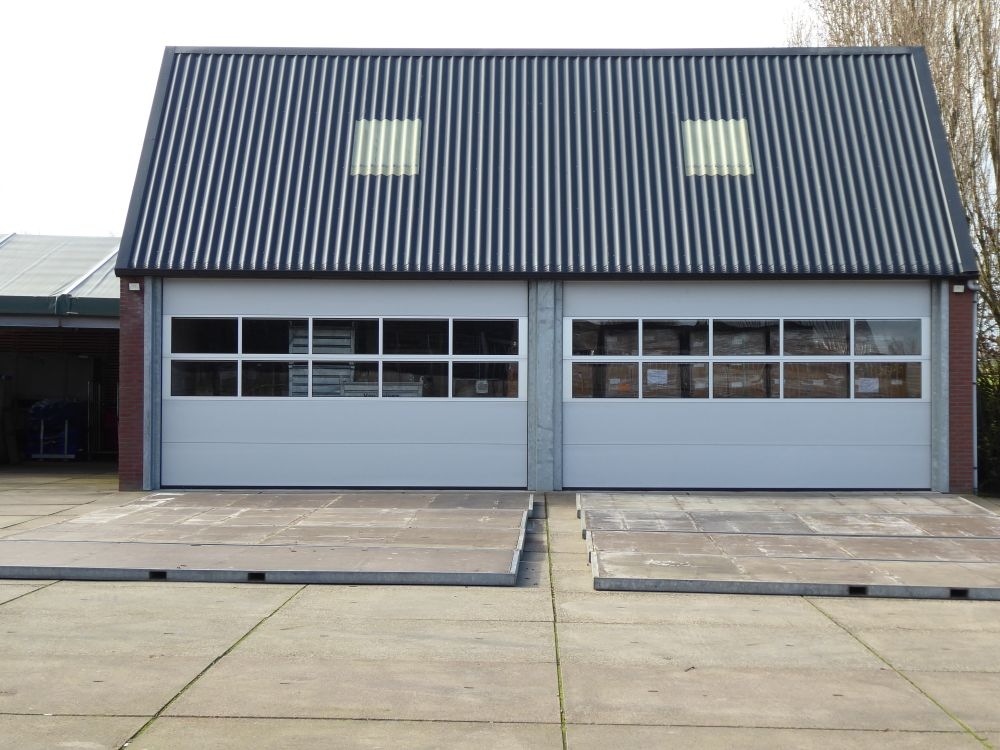
BendPak has completed the first phase of a 33-acre industrial complex in Mobile County, Alabama, adding a 261,600-square-foot logistics and distribution centre to support its automotive-service and garage-equipment business across eastern North America.
The Donald R. Henthorn Industrial Complex sits close to BendPak’s existing East Coast campus and brings warehousing, product distribution, quality control, sales, service, training, and customer demonstrations into one facility. The privately owned manufacturer says many stocked products can now be dispatched on the same day.
The first phase followed extensive site preparation and forms the opening part of a development designed for later expansion. BendPak has not disclosed the capital value, pallet capacity, inventory volume, workforce numbers, or timetable for subsequent phases.
The building carries a wider operational role than a conventional warehouse. Storage and office areas are combined with a dedicated showroom, product-demonstration space, training facilities, and customer-service functions, allowing inventory and technical support to be managed from the same campus.
Jeff Kritzer, president and chief executive of BendPak, said the company was prioritising investment in “agile, automated infrastructure” to support resilience and future growth. The announcement refers to advanced materials-handling systems and safety-focused layouts, although it does not identify the equipment suppliers or automation technologies installed.
BendPak manufactures and distributes vehicle lifts, wheel-service equipment, shop machinery, cooling products, portable lifting systems, and related garage equipment through several brands. Many products are bulky, mechanically complex, or supplied with accessories and replacement components, giving distribution operations a different profile from small-parcel fulfilment.
Large equipment creates demands around floor loading, rack design, forklift selection, packaging, damage prevention, and safe vehicle loading. Product dimensions and weights can vary substantially, while customers may require complete kits to arrive together.
A missing fastener, control component, or accessory can prevent installation even when the main equipment has reached the customer. Order completeness and inventory accuracy therefore matter as much as the speed at which the primary item leaves the warehouse.
The Alabama location is intended to improve service across eastern North America, reducing the distance from inventory to customers compared with shipping every order from western operations. Regional stockholding can shorten lead times and reduce exposure to long-haul transport disruption.
It also requires disciplined inventory allocation. A larger network can leave one distribution centre holding excess stock while another runs short unless demand, replenishment, and product availability are coordinated closely.
BendPak’s investment follows several property expansions over the past decade. The company has enlarged its Santa Paula manufacturing and distribution operation, established a global headquarters in Agoura Hills, and developed a substantial Alabama presence.
A separate 90,000-square-foot East Coast building opened in 2023, nearly doubling the company’s logistics and distribution space in the region at that time. The new centre is therefore another stage in a wider network buildout rather than a first move into Alabama.
Consolidating stock, quality checks, customer support, and product training can reduce handovers between functions. It also increases the importance of business-continuity planning at a site carrying several operational and customer-facing responsibilities.
Material flow will determine whether the additional floor area translates into faster fulfilment. Receiving, inspection, put-away, replenishment, picking, consolidation, packing, and loading have to be sequenced around products that may require specialist handling.
Additional space can improve performance when it removes congestion and allows clearer operating zones. Poorly designed travel routes simply spread the same work across a larger building and increase the distance employees and equipment must cover.
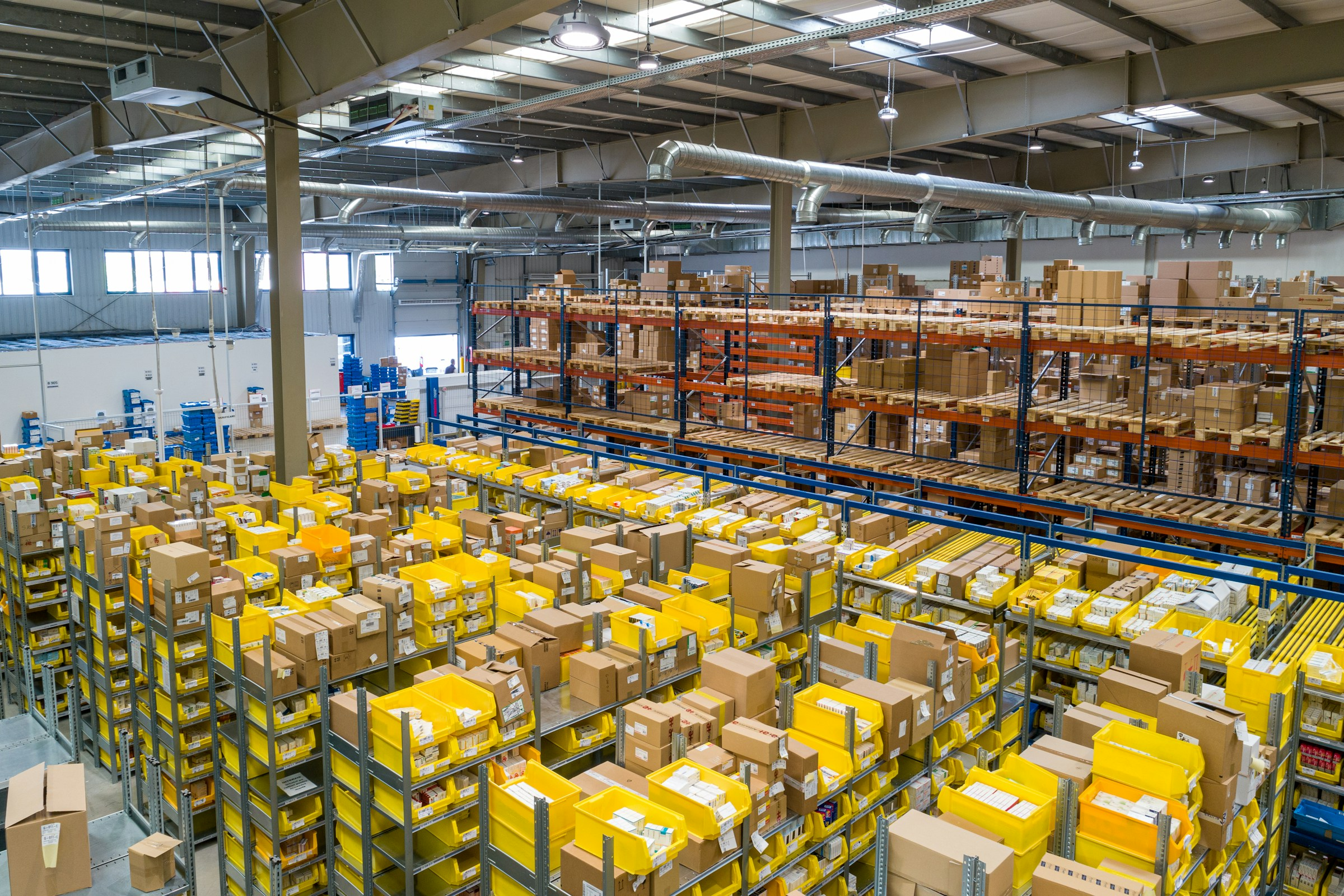
The interior uses high-bay pallet racking and broad operating aisles, while the company has installed 24 high-volume, low-speed ceiling fans to improve working conditions. Thermal management is an operational issue in a large Alabama warehouse, where heat can affect fatigue, productivity, and safe manual work even when the products themselves do not require temperature control.
Safety-focused layouts should separate pedestrians, lift trucks, loading activity, demonstration areas, and customer visits. Combining public-facing functions with an active distribution centre places particular importance on controlled routes and access because visitors attending training or demonstrations may be unfamiliar with warehouse hazards.
Quality control inside the logistics centre can help identify damage or specification problems before dispatch. It can also create another queue when inspection capacity does not grow with inbound volume.
The operation needs clear rules for sampling, quarantine, rework, and release so that quality checks protect customers without becoming an unmanaged inventory buffer. Data from those checks should also feed back into procurement, packaging, and supplier-performance decisions.
Same-day shipping is a useful service claim, but it applies only to products already in stock and does not establish carrier cut-off times, order complexity, or delivery transit. The more revealing measures will be order completeness, damage rates, inventory accuracy, dispatch reliability, and lead-time performance.
The completed first phase gives BendPak a substantial platform for eastern distribution and enough land to extend it further. Future phases will show whether the company intends to add warehouse capacity, manufacturing capability, service operations, or a mixture of all three.
The immediate test begins with the building already delivered: holding the right stock, moving heavy products safely, and converting 261,600 square feet of new space into consistently shorter customer lead times.