IN Brief:
- An October CRISI award allocates $204,771,601 to final design and construction on the Coos Bay Rail Line.
- The port plans a ship-to-rail container gateway, but the terminal and marine works remain separate projects.
- Nine tunnels, bridges and passing sidings are among the constraints to be addressed for double-stack trains.
The Oregon International Port of Coos Bay has secured a $204,771,601 federal award for final design and construction of improvements to its freight railway. Oregon’s congressional delegation announced the funding on 19 October for the Coos Bay Rail Line, which would carry containers between a proposed maritime terminal and the inland rail network. The award concerns railway infrastructure; it does not mean that the Pacific Coast Intermodal Port has received all remaining approvals, been fully financed or entered operation.
The funding comes through the Department of Transportation’s Consolidated Rail Infrastructure and Safety Improvements programme, known as CRISI. The work addresses capacity and reliability on the Coos Bay Rail Line, which connects southwest Oregon with the national railway network at Eugene. Congressional information identifies track, ties, bridges and tunnels among the infrastructure requiring replacement or improvement. The award gives the port a substantial construction funding component, while leaving procurement, delivery dates and wider terminal implementation to be established through subsequent work.
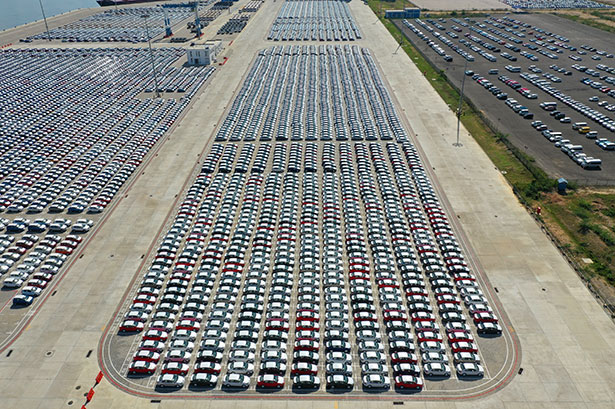
The proposed Pacific Coast Intermodal Port would move nearly all incoming and outgoing containers by rail on the landside, according to the port authority. That creates a direct dependency between ship unloading, container transfer and available train paths. A rail corridor can connect two locations geographically without having sufficient capacity for a high-frequency container service. Tunnel clearances, passing sidings, bridge load ratings, track standards and the handling interface at Eugene all need to work together if trains are to accept the loads transferred from the quay.
Port information describes a line of approximately 134 miles between the Eugene area and Coquille, incorporating nine tunnels and more than 150 water crossings. The intermodal proposal involves raising clearances in the tunnels to handle double-stack container trains, along with additional or extended passing sidings and extensive bridge and track works. A connection at Union Pacific’s Eugene facilities would also need to accommodate additional interchange activity. These are different tasks from routine repairs because the intended freight mix and train configuration would place new demands on the railway.
To carry double-stack container trains, the nine tunnels must provide enough vertical clearance above suitable wagons for two loaded container levels. Clearance work must be coordinated with the structural condition of the tunnel linings and other overhead restrictions along the corridor. Passing sidings likewise need sufficient usable length for the intended freight trains; otherwise, two trains meeting on a single-track section can lose time even where the rails and bridges themselves are serviceable. The capacity gain therefore depends on compatible clearances, crossing points and track and bridge standards throughout the route.
An $11.25m federal grant announced in April supports track connections and associated infrastructure on the port’s North Spit. The October CRISI allocation is a separate award for design and construction on the wider railway. The port’s terminal, waterfront and navigation-channel works each have their own funding and approval requirements. The two grants relate to distinct components of the proposed gateway, and the railway allocation is only one part of the investment required for a working ship-to-rail operation.
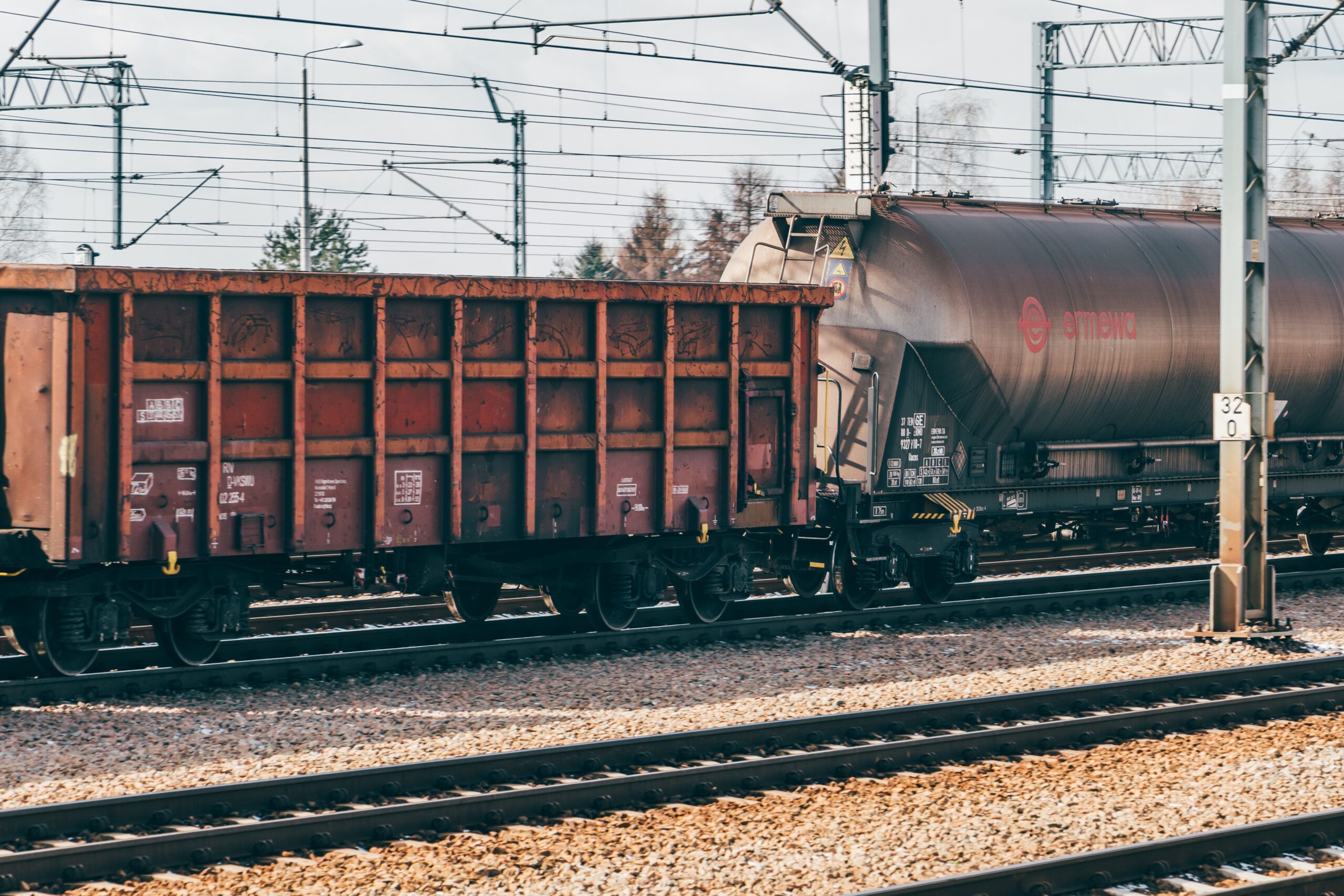
Existing freight customers also depend on the route. The railway serves industrial shippers along Oregon’s south coast, and a September report described a temporary closure following deterioration of timber supports on a bridge near Florence. Services resumed, but the incident illustrated why underlying asset condition affects day-to-day availability independently of longer-term container ambitions. Rehabilitation can benefit present users through more dependable routes even before a new terminal brings additional cargo. It can also be disruptive while construction possessions and speed restrictions are managed.
The planned terminal has three connected elements: the waterfront container facilities, an upgraded railway and navigation channel improvements. The port proposes deeper and wider channel access to support maritime operations, but those marine works have distinct authorisations, budgets and engineering requirements. NorthPoint Development has been identified by the port as its partner on the terminal scheme. The latest grant does not itself establish an opening date, an agreed construction sequence for every element or guaranteed container volumes, all of which remain material to assessing the proposal’s commercial delivery.
The rail award establishes a funding commitment for a defined component of the proposed container gateway, while marine works and the waterfront terminal have their own engineering, authorisation and financing requirements. Design completion, procurement, construction progress and confirmation of safe operating capacity on the upgraded railway will show how the award translates into usable freight infrastructure. The port has not announced that the full intermodal scheme is operational, and its eventual container volumes and competitive position remain projections rather than measured results.